You’ve probably seen the photos. The shiny silver bean reflecting the skyline, the towering blue flower sculpture, and the massive fountain shooting water into the air. That’s Grant Park, a 319-acre urban oasis that serves as the front yard for downtown Chicago. But here’s the thing most tourists miss: Grant Park isn’t just one big lawn. It’s a layered landscape of world-class museums, historic landmarks, and free public art that changes with the seasons. If you’re planning a visit in late 2026, you need more than a map-you need a strategy to navigate this sprawling district without burning out your feet or your wallet.
This guide breaks down exactly what to see, how to move between spots efficiently, and which experiences are worth your time versus those you can skip. We’ll cover the heavy hitters like the Art Institute of Chicago and the hidden gems tucked away in Millennium Park. Whether you have three hours or three days, there’s a way to experience the heart of Chicago without getting lost in the crowd.
Key Takeaways
- Start at the Lake: Begin your tour on the eastern edge near Buckingham Fountain to avoid the midday crowds at major museums.
- Museum Passes Save Money: If you plan to visit two or more paid attractions, a city pass pays for itself quickly; otherwise, stick to the many free outdoor exhibits.
- Seasonality Matters: In November 2026, expect cooler weather but fewer lines. Some outdoor amenities may be closed, so check indoor alternatives like the Field Museum.
- Transit is King: Driving is a nightmare. Use the CTA “L” trains (Green, Pink, Brown, Orange lines) which drop you directly inside the park boundaries.
Navigating the Layout: From East to West
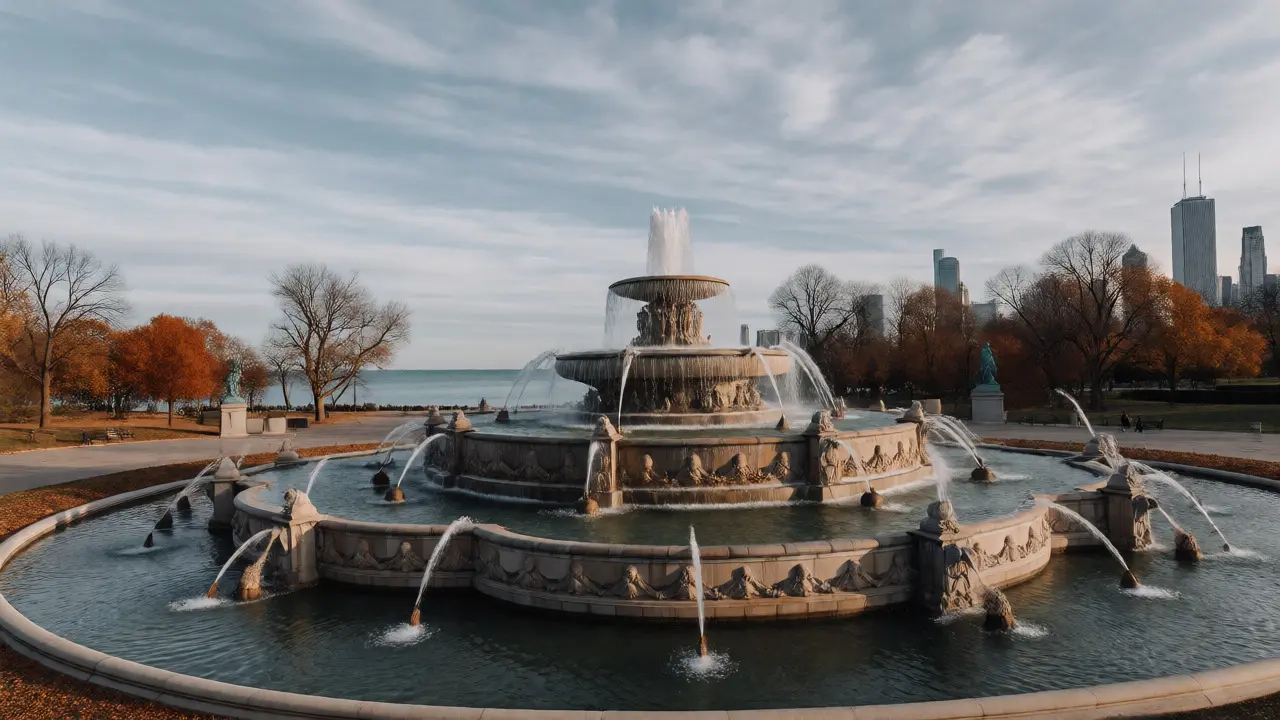
Grant Park stretches from the shores of Lake Michigan westward to the rail yards along Michigan Avenue. Think of it as a series of rooms in a giant house. The east side is all about open space and views. This is where you find the iconic Buckingham Fountain, built in 1927. It’s not just a pretty face; it’s an engineering marvel with 1,334 jets capable of shooting water 150 feet high. While the main show usually runs April through October, the structure remains a stunning photo op year-round, especially when lit up at night.
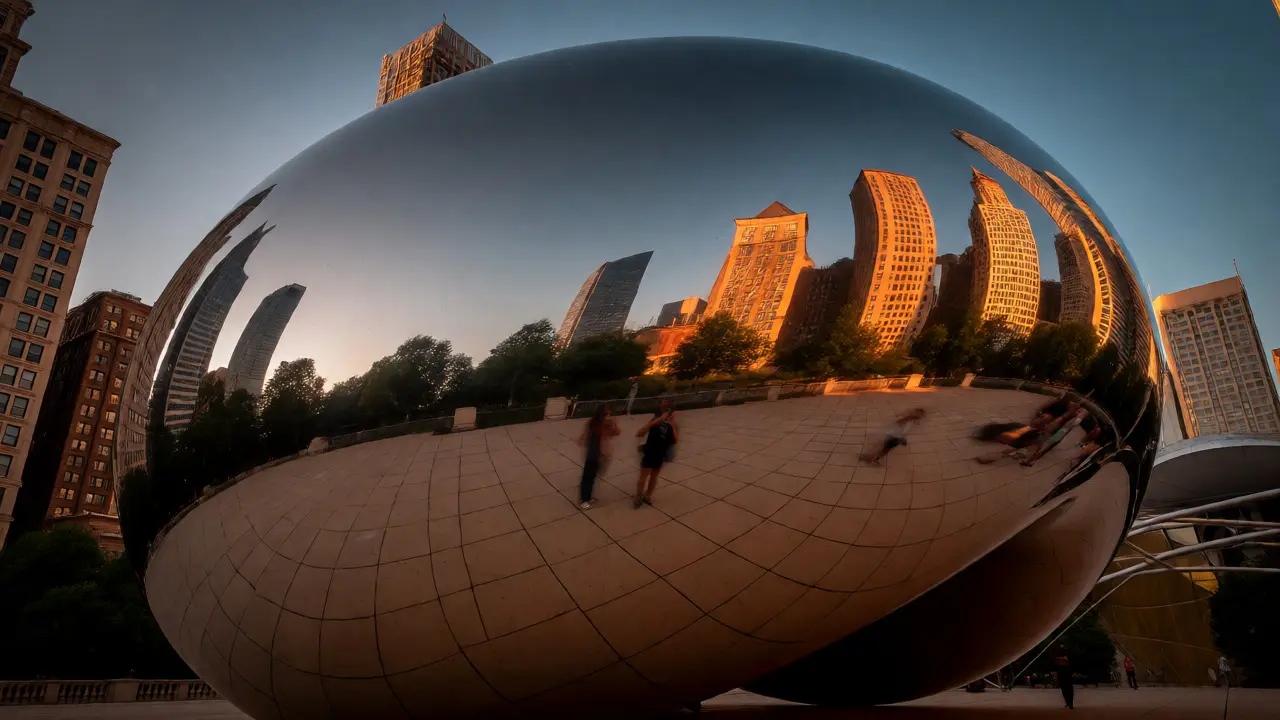
Moving west, you hit Millennium Park. Technically, this is a separate entity within the larger Grant Park area, opened in 2004. It’s dense with modern art and architecture. You cannot miss Cloud Gate, affectionately known as "The Bean." Anish Kapoor’s polished stainless steel sculpture distorts reflections of the city and visitors alike. It’s free, always crowded, and absolutely essential. Just ten steps away stands Jay Pritzker Pavilion, designed by Frank Gehry. Even if there isn’t a concert happening, walking underneath its trellis network offers some of the best architectural angles in the city.
The western edge borders Michigan Avenue, home to the cultural institutions. This is where the serious museums live. Because the park is flat and linear, moving from the lake to the museums is a straightforward walk. However, crossing Michigan Avenue requires using specific pedestrian bridges or crosswalks, which can feel disconnected if you aren’t paying attention to signage.
The Big Three: Museums Worth Your Time
If you only have time for one museum, make it count. Most visitors struggle with choice paralysis because there are too many options. Here is a breakdown of the top three based on interest type, including current operational notes for late 2026.
| Museum Name | Best For | Average Visit Time | Ticket Price (Adult) | Must-See Exhibit |
|---|---|---|---|---|
| Art Institute of Chicago | Art lovers, history buffs | 3-4 hours | $32.00 | Impressionist Wing |
| Field Museum | Families, science enthusiasts | 3-5 hours | $28.00 | Sue the T-Rex |
| Shedd Aquarium | Kids, marine life fans | 3-4 hours | $45.00 | Oceanarium |
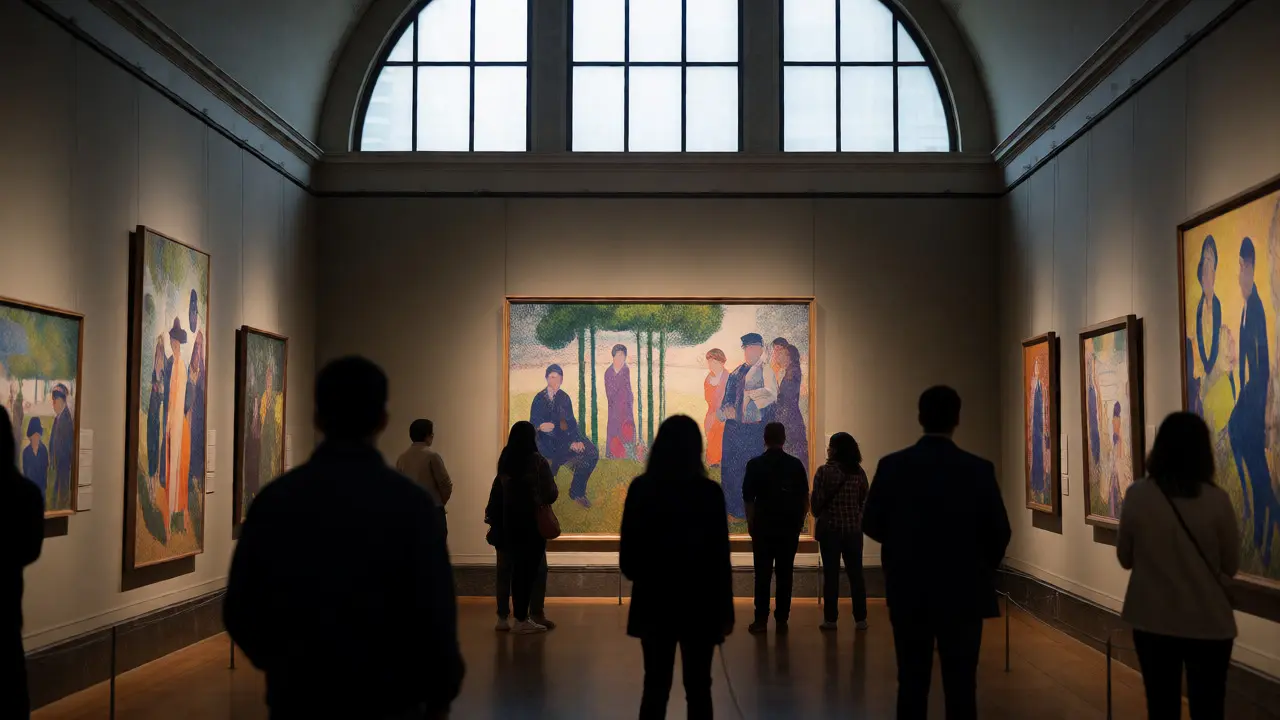
The Art Institute of Chicago is arguably the crown jewel. Founded in 1879, it houses over 300,000 works. Don’t try to see everything. Focus on the Modern Wing for contemporary pieces or the Impressionist collection for classics like Seurat’s A Sunday on La Grande Jatte. Note that general admission covers the permanent collection, but special exhibitions often require timed tickets. Book these online at least two weeks in advance during peak travel months.
Next door sits the Field Museum. It’s part natural history museum, part anthropological archive. The highlight for most people is "Sue," the largest and most complete Tyrannosaurus rex skeleton ever found. But don’t sleep on the Native American collections or the detailed dioramas of African wildlife. It’s a sensory-rich experience that appeals strongly to children and adults who enjoy tactile learning.
Just south of the Field lies the Shedd Aquarium. While technically adjacent to the park rather than inside the green space, it’s within a five-minute walk. The Shedd was the first aquarium to offer a diverse range of aquatic habitats under one roof. The Oceanarium, featuring beluga whales and dolphins, is spectacular. Be aware that ticket prices here are higher than other museums, and weekend crowds can make viewing difficult. Weekday mornings are significantly quieter.
Free Public Art and Hidden Gems
You don’t need a ticket to have a profound cultural experience in Grant Park. The city has invested heavily in public art installations that are accessible 24/7. Beyond Cloud Gate, look for Crown Fountain. Designed by Jaume Plensa, this interactive installation features two 50-foot glass blocks displaying video faces of Chicagoans. Water shoots out of their mouths, creating a misty tunnel effect. In summer, kids run through it. In winter, it becomes a stark, reflective monument.
Another underrated spot is the Nichols Bridgeway, also known as the Bridgehouse. It connects the park to the lakefront trails. Walking across it gives you a unique perspective of the harbor and the skyline’s reflection on the water. It’s particularly beautiful at sunset when the sun dips behind the skyscrapers, casting long shadows across the park.
For a quieter moment, head to the Palmer Hills. These are small artificial hills created from construction debris during the park’s original development. They offer elevated views of the lake and provide a windbreak from the notorious Chicago gusts. Locals use them for picnics and reading. There’s no signage pointing them out, so ask a local or look for the slight elevation change near the southern end of the park.
Eating and Drinking Without the Tourist Trap Prices
Food options inside Grant Park are limited but improving. Historically, you had to leave the park to eat, which meant dealing with traffic or long walks. Now, several kiosks and pop-ups operate seasonally. In 2026, keep an eye out for mobile food trucks that rotate weekly near the Pritzker Pavilion. They often offer better value than sit-down restaurants on Michigan Avenue.
If you want a proper meal, walk west to the South Loop neighborhood. Places like Lou Malnati’s (for deep-dish pizza) or Wildberry Pancakes are within a 10-minute walk. Avoid eating right next to Buckingham Fountain unless you want to pay double for mediocre hot dogs. The smart play is to pack a lunch if the weather permits. There are designated picnic areas near the basketball courts and volleyball nets where you can relax without being jostled by crowds.
Logistics: Getting There and Around
Let’s address the elephant in the room: parking. Do not drive unless you absolutely have to. Metered street parking is scarce and expensive. Parking garages fill up early. Instead, rely on the CTA (Chicago Transit Authority). The Roosevelt station is the primary hub, serving the Green, Pink, Brown, and Orange lines. From there, it’s a short walk north into the park. Alternatively, the Adams/Wabash station drops you right in the middle of Millennium Park.
Once you’re inside, wear comfortable shoes. The park is large, and surfaces vary from paved paths to grassy fields. In November 2026, temperatures will hover around 40°F (4°C). Dress in layers. The wind off the lake cuts through jackets quickly. A hat and gloves are non-negotiable if you plan to spend more than an hour outdoors.
Seasonal Considerations for Late 2026
Visiting in November means you’re catching the tail end of autumn. The trees in the park still hold some color, though most leaves have fallen. This actually improves visibility of the sculptures and fountains. However, some seasonal activities wrap up. The ice skating rink at Millennium Park typically opens in mid-November, so check the official schedule before arriving. If it’s open, renting skates costs extra, but watching the skaters against the backdrop of the Chicago Theatre sign is magical.
Concert schedules shift indoors during colder months. The Jay Pritzker Pavilion hosts fewer outdoor performances after October. Check the City of Chicago’s event calendar for indoor concerts at nearby venues like the Harris Theater. Conversely, holiday markets begin setting up in late November. The Christkindlmarket, while located slightly outside the main park area at Daley Plaza, draws huge crowds and spills activity into Grant Park. Expect increased foot traffic and security checks.
Troubleshooting Common Visitor Issues
Problem: Overwhelmed by choices. Solution: Pick one theme per day. Day 1: Art and Architecture (Art Institute + Millennium Park). Day 2: Nature and Science (Field Museum + Lakefront Trail). Trying to do both leads to fatigue and superficial engagement.
Problem: Can’t find restrooms. Solution: Major buildings like the Art Institute and Field Museum have clean facilities. Outside, look for the restroom structures near the Pritzker Pavilion and Buckingham Fountain. They are well-marked but can have lines during peak hours.
Problem: Safety concerns. Solution: Grant Park is generally safe during the day. At night, stick to well-lit areas near the museums and main pathways. Avoid isolated corners of the park after dark. The presence of security cameras and regular patrols makes it secure, but common sense applies.
Is Grant Park free to enter?
Yes, the park itself is completely free. You do not need a ticket to walk the grounds, view Cloud Gate, or watch the Buckingham Fountain shows. Costs only apply if you choose to enter specific museums, attend concerts, or rent bikes/skates.
How much time should I spend in Grant Park?
For a basic overview including photos and one major attraction, allocate 3-4 hours. If you plan to visit multiple museums and explore the deeper trails, budget a full day (6-8 hours). Most visitors underestimate the size of the park and rush through it.
Can I bring my dog to Grant Park?
Dogs are allowed on leash in most areas of Grant Park. However, they are prohibited in certain sections of Millennium Park, such as near Crown Fountain and the Lurie Garden. Always check posted signs upon entry to specific zones to avoid fines.
What is the best time of day to visit Buckingham Fountain?
During the operating season (April-October), the fountain performs every hour on the hour. The best time is usually mid-afternoon when the lighting contrasts nicely with the water. In winter, the fountain is off, but the illuminated structure is striking at dusk.
Are the museums wheelchair accessible?
Yes, all major museums in the Grant Park area (Art Institute, Field Museum, Shedd Aquarium) are fully ADA compliant. They offer elevators, ramps, and accessible restrooms. Wheelchairs are available for loan at most entrances, subject to availability.