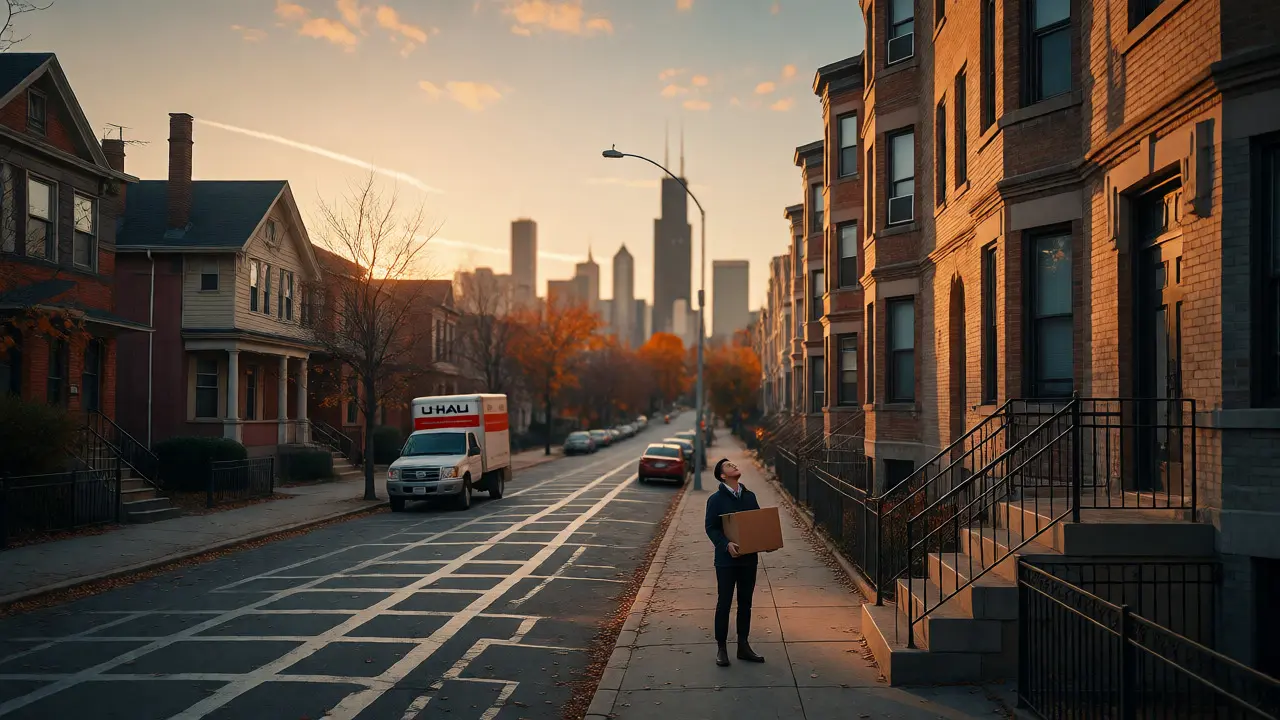
So, you’re thinking about Moving to Chicago? It’s a bold move. One minute you’re debating whether the wind will actually knock you over (spoiler: it won’t, but it’ll make your hair look wild), and the next you’re staring at a lease agreement in a city that feels like its own country within the US. But here’s the thing: Chicago isn’t just another big city with tall buildings. It’s a grid system that makes navigation weirdly logical, a food scene that takes pizza seriously, and a community that’s surprisingly friendly once you break through the initial reserve.
If you’ve ever looked up "how to move to Chicago" and felt overwhelmed by conflicting advice, you’re not alone. Most guides give you generic fluff. This one? This is the real deal. We’re talking specific neighborhoods, actual costs, and the bureaucratic hoops you need to jump through before you even unpack your first box. Whether you’re coming from a sunny suburb or a rural town, this guide covers the jobs-to-be-done so you can settle in without losing your mind.
The Pre-Move Reality Check: Budget and Neighborhoods
Before you book a truck, you need to know where you’re landing. Chicago is divided into 77 distinct neighborhoods, and they are wildly different. You can’t treat them as interchangeable. If you value nightlife and walkability, you might love Wicker Park, but you’ll pay a premium. If you want space and quiet, you might look toward Albany Park or Avondale, but you’ll be relying more on transit or driving.
Let’s talk money. As of late 2025 and early 2026, the cost of living in Chicago has stabilized compared to the spike we saw post-pandemic, but it’s still higher than the national average. However, it’s significantly cheaper than New York City or San Francisco. Here’s a rough breakdown for a single professional renting a one-bedroom apartment:
| Expense Category | Low Estimate ($) | High Estimate ($) | Notes |
|---|---|---|---|
| Rent (1-Bedroom) | $1,400 | $2,800 | Varies heavily by neighborhood (e.g., Lincoln Park vs. West Town) |
| Utilities (Heat/Elec/Gas) | $150 | $350 | Heating costs spike Nov-Mar; summer AC adds up too |
| Internet & Phone | $80 | $120 | Comcast/Xfinity dominates; fiber options growing in some areas |
| Transit (CTA Pass) | $75 | $90 | Monthly Ventra pass; car ownership adds $300+ for insurance/garage |
| Groceries | $300 | $500 | Jewel-Osco, Mariano's, Whole Foods prices vary |
Notice the heating line item. That’s not a typo. In winter, your gas bill can triple if you have older radiators. When you’re budgeting, don’t just look at the rent. Look at the building’s age. Older brick buildings are beautiful but drafty. Newer constructions have better insulation but might charge extra for amenities like gym access or doorman services.
The Bureaucracy: ID, Voter Reg, and Car Stuff
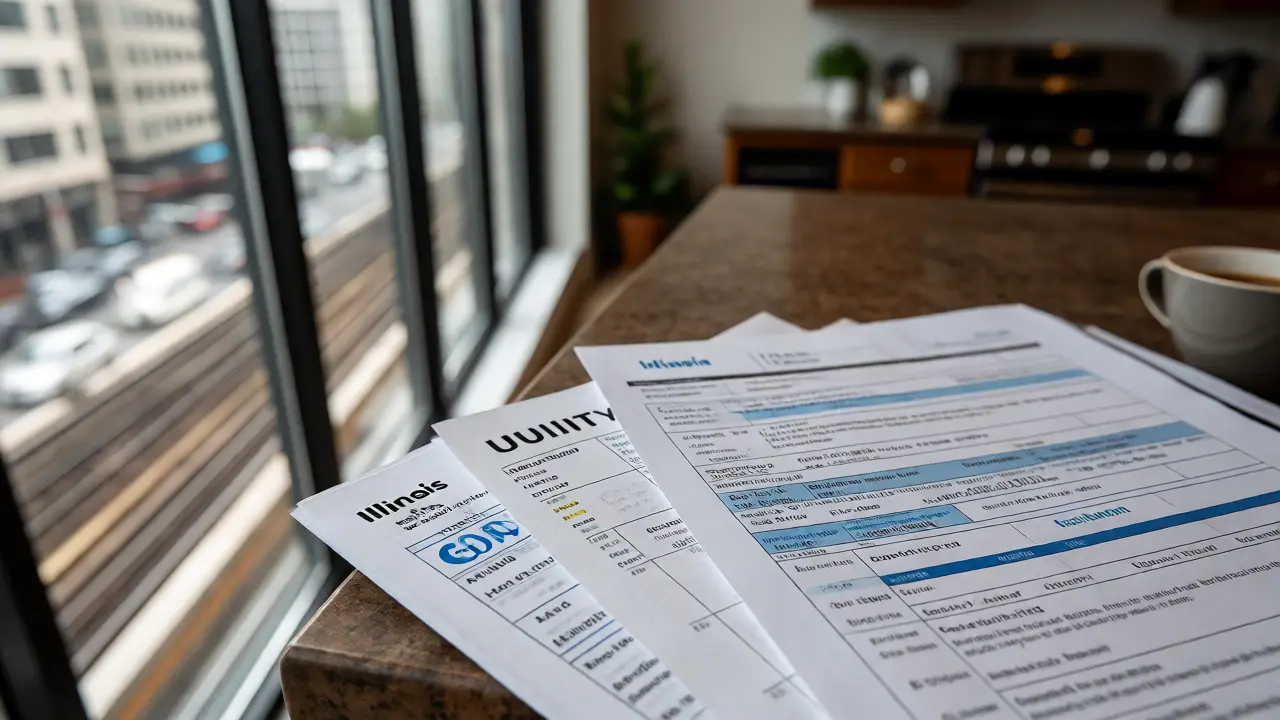
You can’t just show up and start living. Illinois has specific requirements that trip people up. First, your driver’s license. You have 90 days after establishing residency to switch your out-of-state license to an Illinois one. To do this, you need proof of identity, proof of social security number, and two proofs of Illinois address. Yes, two. A utility bill and a bank statement usually work. Don’t leave this until the last minute; DMV lines in Chicago can be brutal, especially at the downtown locations near the Loop.
Then there’s voting. Illinois allows same-day registration, which is great, but you need to know your precinct. Use the Illinois State Board of Elections website to find your polling place. It’s tied to your exact address, so if you move mid-cycle, double-check.
If you’re bringing a car, you need to register it. Illinois doesn’t require an emissions test for most cars under 4 years old, but older vehicles do need testing. Also, parking is a nightmare. If you live in an apartment without a garage, you need a residential parking permit from the Department of Transportation. These are tied to your address and allow you to park in designated zones on your street. Without one, you’re circling blocks at 10 PM looking for a spot, and trust me, you don’t want to do that in January.
Housing Hunt: Leases, Brokers, and Red Flags
Finding an apartment in Chicago is a competitive sport. Landlords often require income that is 40 times the monthly rent. So if you want a $2,000 apartment, you need to show $80,000 in annual income. If you’re self-employed or have irregular income, you might need a guarantor or to pay several months upfront.
Here’s a pro tip: many listings on Zillow or Apartments.com are outdated. The best way to find a current listing is to use local platforms like RentSpree or directly contact property management companies. Also, watch out for "broker fees." In Chicago, it’s common for brokers to charge one month’s rent as a fee for finding you a rental. Some landlords cover this, but many don’t. Always ask who pays the broker fee before you sign anything.
When you visit an apartment, check the water pressure. Run the shower. Flush the toilet. Open the windows. If it’s winter, feel for drafts. If it’s summer, check if the AC unit is window-mounted or central. Window units are loud and inefficient but cheap to install. Central air is rare in older buildings. Also, look for signs of mold. Chicago’s humidity in summer can cause issues in poorly ventilated bathrooms.
Getting Around: CTA, Divvy, and Driving
Chicago has one of the best public transit systems in the US, but it’s not perfect. The CTA runs buses and trains (the 'L'). The train system is fast and reliable during rush hour, but weekends can be spotty due to maintenance. Get a Ventra card or use the mobile app. It works on both buses and trains and lets you transfer between them for free within two hours.
If you’re staying within a few miles of the lakefront or major hubs, consider Divvy bikes. They’re electric-assist bikes available via an app. It’s a fun way to commute in spring and fall, but don’t underestimate the wind. Riding against a 30mph gust is a workout.
Do you need a car? If you live in the North Side (Lincoln Park, Lakeview) or the South Side (Hyde Park, Bronzeville), probably not. You can get everywhere by train or bus. But if you live further out, like in Rogers Park or Bridgeport, a car gives you flexibility. Just remember: traffic on the Dan Ryan Expressway is legendary for a reason. Rush hour from 4-7 PM is a crawl. Plan accordingly.

Cultural Adjustment: Weather, Food, and Etiquette
Let’s address the elephant in the room: the weather. Chicago winters are long. November to March is gray, cold, and windy. The "Windy City" nickname isn’t just about politics; it’s literal. Dress in layers. You need a good coat, boots with grip, and thermal underwear. People joke about the cold, but locals take pride in enduring it. You’ll hear phrases like "It’s a dry cold," which means it’s less humid but cuts deeper. Learn to embrace it. Hot chocolate spots like Stanley’s Coffee Shop become your second home.
Food is serious business here. You cannot move to Chicago and not try deep-dish pizza, but don’t expect every pizzeria to serve it. Lou Malnati’s and Giordano’s are famous, but locals often prefer thin-crust tavern-style pizza from places like Vito & Nick’s. Also, try the Italian beef sandwich. Al’s Beef is iconic, but many locals swear by Mr. Beef. And yes, you should try a Chicago-style hot dog-no ketchup, please. Adding ketchup is a cardinal sin among purists.
Socially, Chicagoans are polite but busy. We don’t chat with strangers on the train like folks in the South or Midwest suburbs. But if you strike up a conversation about the Cubs, Bears, or a new restaurant, you’ll get engaged. Tip well. Tipping culture is strong here, especially in restaurants and bars. 20% is standard.
Final Steps Before You Unpack
Once you’ve signed the lease and moved in, there are a few last-minute tasks. Set up your utilities immediately. ComEd handles electricity, and Peoples Gas handles heating. You can do this online, but call ahead if you have questions about billing cycles. Update your mailing address with USPS to forward mail from your previous home. This prevents missed bills or important documents.
Explore your neighborhood. Walk around. Find the nearest grocery store, pharmacy, and emergency room. Introduce yourself to neighbors if you’re in a smaller building. Community matters here. Join local Facebook groups or Nextdoor apps for your area. They’re useful for finding recommendations, selling furniture, or getting alerts about street sweeping schedules.
Moving to Chicago is an adventure. It’s gritty, beautiful, chaotic, and rewarding all at once. Follow this checklist, stay flexible, and keep an open mind. You’ll fit in faster than you think.
Is it expensive to live in Chicago compared to other major cities?
Chicago is generally more affordable than New York City, San Francisco, and Boston, but more expensive than many Southern or Midwestern cities. Housing costs are the biggest factor, but groceries and transportation can be managed efficiently with public transit.
How long does it take to change my driver's license after moving to Illinois?
You must change your out-of-state driver's license to an Illinois license within 90 days of establishing residency. You'll need to visit a Secretary of State facility with proof of identity, Social Security number, and two proofs of Illinois address.
Do I need a car if I live in Chicago?
Not necessarily. Many neighborhoods are highly walkable and served by the CTA train and bus system. However, if you live farther from the 'L' stations or plan to travel outside the city frequently, having a car provides convenience despite high parking costs and traffic.
What is the typical broker fee when renting an apartment in Chicago?
Broker fees typically equal one month's rent. While some landlords pay this fee, many tenants are responsible for it. Always clarify who pays the fee before signing a lease to avoid unexpected costs.
How harsh is the winter in Chicago really?
Winters are cold and windy, with temperatures often dropping below freezing from December to February. Snowfall varies year to year. Locals adapt by dressing in layers and using heated sidewalks in downtown areas. It's manageable if you're prepared, but definitely requires proper gear.