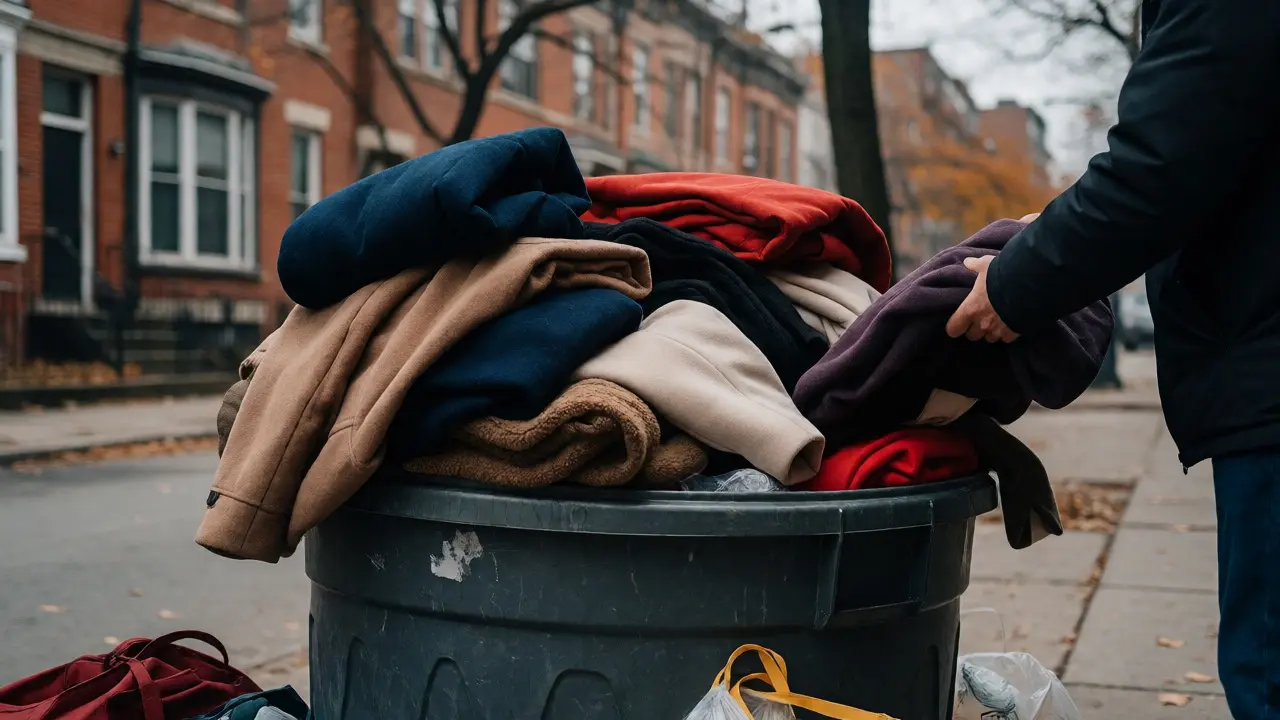
You’ve got a trunk full of winter coats you never wear, three boxes of canned goods gathering dust in the pantry, and an old sectional sofa that’s seen better days. You want to help. You want to clear out your space. But here’s the thing about donating in Chicago: it is not just about dropping off stuff; it is about logistics, timing, and knowing who actually needs what right now. If you just toss everything in a car and drive to the nearest bin, you might end up with a rejected load or, worse, contributing to a pile of trash that costs charities money to haul away.
Donating effectively requires a bit of homework. It’s not rocket science, but it does require respecting the organizations doing the heavy lifting. Whether you are looking to support local families struggling with inflation or simply want to keep usable goods out of landfills, the approach differs wildly depending on whether you’re dealing with textiles, non-perishables, or bulky furniture. Let’s break down exactly how to navigate the charitable landscape in the Windy City without wasting your time or theirs.
The Reality of Clothing Donations
Most people think all clothes are equal. They aren’t. Charities like Goodwill Industries and Salvation Army operate retail businesses. They need inventory they can sell to fund their programs. If you hand them stained t-shirts or torn jeans, you’re giving them work, not wealth.
Before you pack a bag, sort ruthlessly. The golden rule? If you wouldn’t give it to a friend, don’t give it to a stranger. Check every pocket. Empty pockets are non-negotiable; finding someone else’s gum wrappers or receipts makes staff feel disrespected. Wash everything. Seriously. Dry-cleaned items are great, but if it smells like smoke or pet dander, skip it. Chicago winters demand quality outerwear. Coats, boots, and thermal layers move fast between October and March. Summer clothes often sit on racks until May.
Where should you go? For high-end brands, consider Buffalo Exchange or Crossroads Trading. These are consignment shops that pay cash or store credit. They only take current-season styles in excellent condition. If your items are older or less trendy, stick to large-scale donors. However, be aware that many national chains have reduced intake due to oversaturation. Always call ahead. Some locations have closed bins during peak holiday seasons because they are overflowing.
| Organization Type | Best For | Condition Required | Drop-off Ease |
|---|---|---|---|
| Consignment Shops (e.g., Buffalo Exchange) | Trendy, name-brand, gently used | Excellent, current season | High (wait times possible) |
| National Chains (Goodwill/Salvation Army) | Everyday basics, durable items | Good, clean, no stains | Moderate (check hours) |
| Local Shelters (e.g., Covenant House) | New underwear, socks, professional attire | New or Like-New | Low (often by appointment) |
Navigating Food Bank Logistics
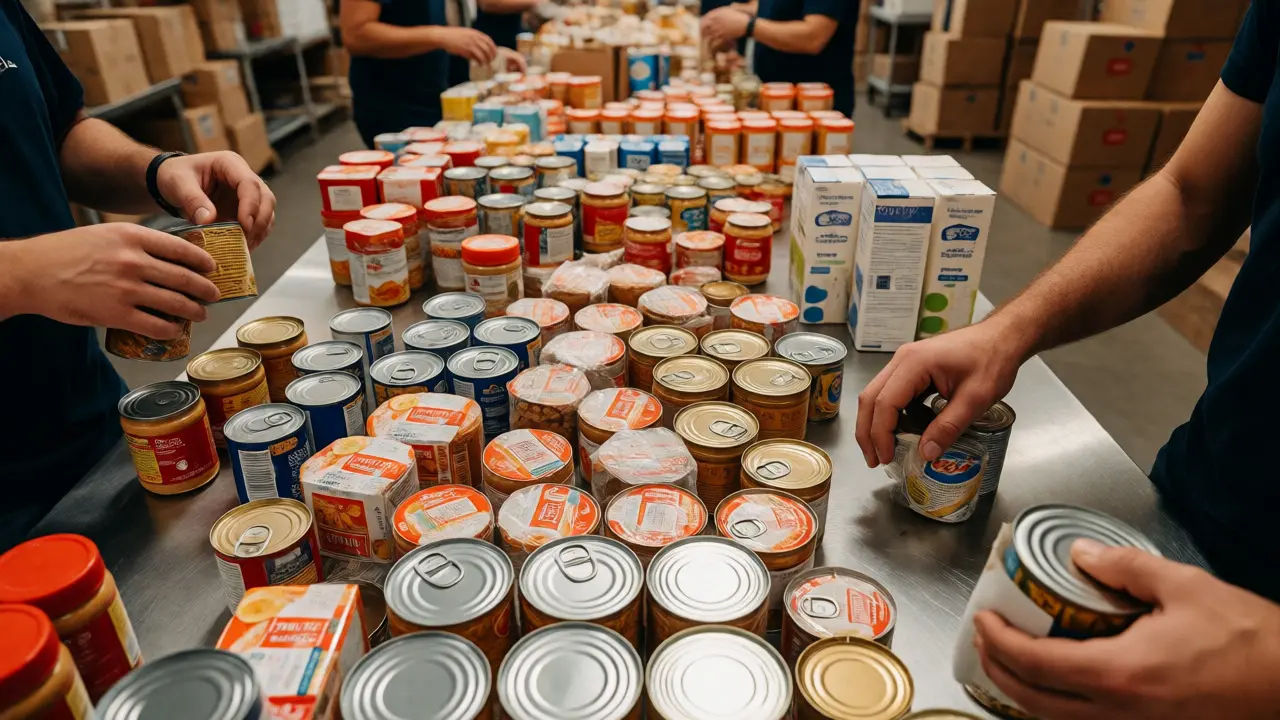
Food insecurity in Cook County remains high, even as grocery prices fluctuate. Organizations like the Greater Chicago Food Depository, which serves over 600 partner agencies, rely heavily on donations. But again, not all food is created equal.
First, check expiration dates. "Best by" dates are about quality, not safety, so slightly past-date items are often okay if the packaging is intact. However, expired baby formula or medication is usually refused. Why? Liability. Shelters cannot risk giving a child formula that might have degraded nutrients.
What do they actually need? Think beyond canned beans. Nutritional value matters. Peanut butter, tuna, whole-grain cereals, and shelf-stable milk are gold standards. Avoid glass jars unless you know the specific shelter accepts them-glass breaks easily in transit and creates hazards. Plastic containers are preferred. Also, consider dietary restrictions. Halal, kosher, and gluten-free options are in short supply. If you see these on sale, buy extra and donate them later.
A common mistake is donating opened packages. Unless the organization has a strict policy allowing sealed-open bags (rare), throw away anything that isn’t factory-sealed. Hygiene is paramount when feeding vulnerable populations, including seniors and children.
Furniture: The Bulky Challenge
This is where most donors get frustrated. You have a solid oak dining table. It’s beautiful. You assume someone will love it. But here is the harsh reality: moving furniture costs money. Loading, unloading, storing, and transporting a heavy table requires labor and fuel. Many small nonprofits simply cannot afford to pick up large items.
Before you list your couch on Facebook Marketplace or drive it to a charity, measure your doorway. Then, call the recipient organization. Ask two questions: Do you accept this type of furniture? And do you offer pickup services?
If they say yes to acceptance but no to pickup, you need a plan. Do you have a truck? Can you lift 100 pounds? If not, you might need to hire movers or use a service like Habitat for Humanity ReStore. Habitat ReStores are unique because they are designed to handle building materials and furniture. They often provide pickup for larger items within certain zip codes, though fees may apply depending on distance and volume.
Condition is critical here. No water damage. No pet urine smells. No broken legs. If it’s wobbly, fix it or toss it. A wobbly chair takes longer to repair than to sell. Keep receipts if you bought the item recently; some donors offer tax deductions based on fair market value, not original price. Document the condition with photos before you hand it over.
Timing Your Donations
Charity capacity fluctuates throughout the year. Post-holiday periods (January) are notorious for overflow. Warehouses are stuffed with unwanted gifts. Donating then often means your items sit in storage for months, tying up valuable square footage.
The sweet spot for clothing is late summer (August/September). Shelters begin preparing for winter. Coat drives ramp up in October. For furniture, spring (April/May) is ideal. People are moving apartments after the school year ends, creating a natural cycle of turnover. Food banks face crunches during back-to-school season (August) and the holidays (November/December) when families stretch budgets.
Check social media channels of local organizations. They often post urgent needs lists weekly. One week they might desperately need diapers; the next, they have too many blankets. Aligning your donation with immediate need maximizes impact.

Documentation and Tax Deductions
If you plan to claim a deduction, paperwork is essential. The IRS requires you to substantiate contributions. For single items valued under $500, a receipt from the charity noting the date and location is sufficient. For groups of items totaling more than $500, you need a detailed list.
Do not estimate wildly. Use resources like the Salvation Army’s valuation guide or Goodwill’s online calculator to determine fair market value. Fair market value is what the item would sell for at a garage sale, not what you paid new. That designer handbag you bought for $800 might only fetch $50 at a thrift store. Claiming $800 could trigger an audit flag.
Get a signed acknowledgment letter from the charity if your total donation exceeds $250. This letter must state that no goods or services were provided in exchange for your contribution. Without this, you lose the deduction entirely.
Beyond Drop-Offs: Supporting Through Action
Sometimes, the best way to donate is not to donate physical goods. Volunteering time helps process the flood of items. Sorting donations is tedious, physical work. Nonprofits constantly seek volunteers to tag clothes, stack shelves, and greet customers. Your time keeps the operation running.
Alternatively, monetary donations are incredibly efficient. Charities can buy food in bulk at wholesale prices, stretching a dollar further than you can at the supermarket. If you have clutter you can’t part with, consider selling it locally and donating the proceeds. You clear your space, and the charity gets flexible funds.
Engage with neighborhood-specific initiatives. Groups like Little Free Pantries scattered across Chicago neighborhoods allow for hyper-local giving. You can drop off non-perishables directly into a box outside a home or business. This supports neighbors immediately without the overhead of large warehouses.
Can I donate worn-out shoes to Chicago charities?
Generally, no. Most major charities reject worn-out shoes because they cannot resell them. Exceptions exist for organizations that recycle textiles, such as those partnered with TerraCycle or specific recycling bins labeled "Textile Recycling." Check if the bin explicitly states they accept unwearable fabrics for recycling purposes rather than resale.
Do I need an appointment to donate furniture in Chicago?
Yes, almost always. Large items require scheduling to ensure staff and trucks are available. Walk-in drops for sofas or tables are rare and often turned away due to space constraints. Call ahead to confirm size limits and pickup availability.
Are donated clothes tax-deductible in 2026?
Yes, if you itemize deductions on your federal tax return. You must obtain a written acknowledgment from the qualified 501(c)(3) organization for donations over $250. Ensure the organization is recognized by the IRS as tax-exempt.
What foods should I avoid donating to Chicago food banks?
Avoid expired items, damaged cans (dented or bulging), glass jars unless specified, opened packages, and homemade food. High-sugar or low-nutrient items are also less desirable than protein-rich or staple foods.
Is it better to donate money or goods to Chicago shelters?
Money is often more efficient for food purchases due to bulk buying power. Goods are better for specific needs identified by the shelter (like coats in winter). Combining both-selling clutter and donating proceeds-can be the most impactful strategy.