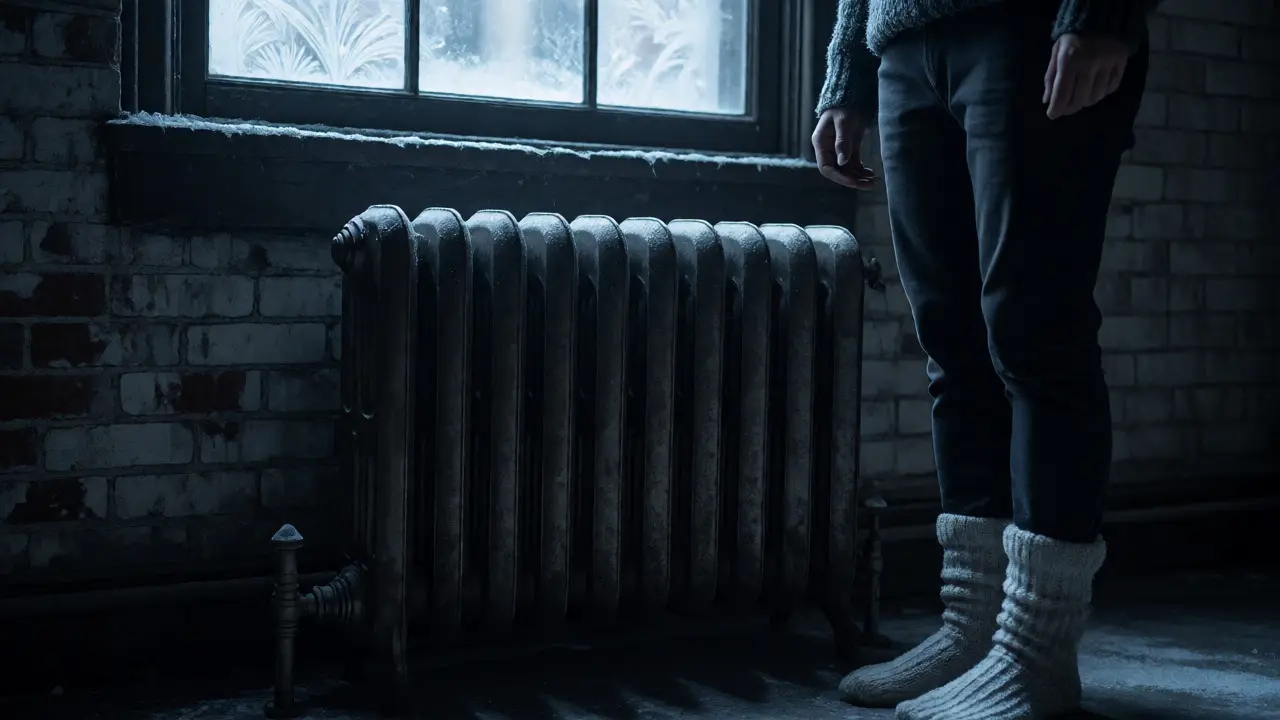
You’re standing in a walk-up on the North Side, staring at a radiator that’s been cold for three days. The landlord says it’s "normal" for November, but your toes are numb and your bank account is sweating. In Chicago, choosing between electric heating and natural gas heating isn’t just about comfort-it’s a financial decision that can swing your monthly budget by hundreds of dollars. With ComEd rates climbing and Peoples Gas delivery fees shifting every year, figuring out which system actually saves you money requires more than just looking at the utility bill.
The Real Math Behind Your Winter Bills
Let’s cut through the noise. Most renters assume gas is cheaper because the unit price per therm looks lower than electricity per kilowatt-hour (kWh). That’s true on paper, but efficiency changes everything. A standard electric baseboard heater converts 100% of the energy into heat. A modern high-efficiency gas furnace might hit 95% AFUE (Annual Fuel Utilization Efficiency), but older Chicago radiators often run closer to 70-80% due to steam loss and poor insulation.
Here is the raw data for the 2025-2026 heating season. Note that these are average residential rates; your specific plan may vary slightly based on usage tiers.
| Utility Type | Provider | Average Rate | Unit |
|---|---|---|---|
| Electricity | ComEd | $0.14 - $0.16 | per kWh |
| Natural Gas | Peoples Gas | $1.20 - $1.40 | per Therm* |
To compare apples to apples, we need to convert units. One therm of natural gas equals roughly 29.3 kWh of potential energy. If you pay $1.30 per therm, that’s about $0.044 per kWh of raw energy. Electricity at $0.15 per kWh seems expensive-three times higher. But wait. Electric resistance heating is nearly 100% efficient at the point of use. Gas furnaces lose heat through ducts or old pipes. If your gas system is only 75% efficient, you’re effectively paying $0.059 per delivered kWh. Suddenly, the gap narrows. For many small apartments with well-insulated windows, electric heat can actually be competitive, especially if you zone your heating.
Why Chicago’s Housing Stock Makes This Tricky
Chicago isn’t a uniform market. You have two distinct scenarios here, and they dictate your wallet differently.
- The Radiator Apartment: These are typically pre-war buildings (built before 1940) using steam or hot water radiators. They almost always run on gas. The boiler is central, meaning one giant machine heats the whole building. You don’t control when the heat turns on. Often, landlords keep the heat low to save money, forcing you to buy space heaters. This creates a hidden double-cost: you pay for inefficient central gas heat via rent or sub-metering, AND you pay ComEd for portable electric heaters.
- The Modern Condo/Apartment: Newer builds or renovated lofts often use individual electric wall units or mini-split heat pumps. Here, you control the thermostat. You only heat the rooms you use. This behavioral efficiency can slash bills by 30-50% compared to leaving radiators blasting in empty bedrooms.
If you’re renting a classic Chicago flat with cast-iron radiators, you likely don’t have a choice in the fuel source. However, if you’re shopping for a place with options, understanding the infrastructure is key. Ask specifically: Is the heat included in rent? Is there a sub-meter? Who pays for the boiler maintenance?
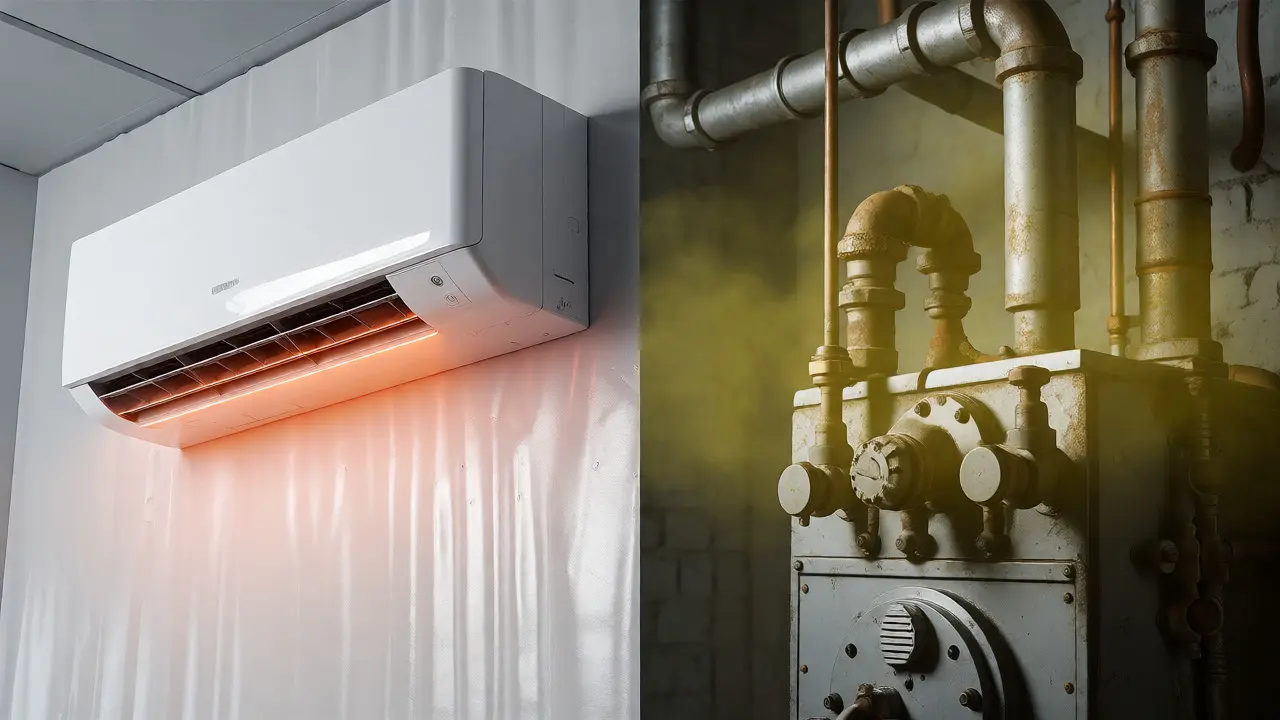
Hidden Costs Beyond the Meter
It’s not just about the monthly bill. There are structural costs associated with each system that affect your total cost of living.
Gas Heating Downsides:
- Maintenance Fees: Even if you don’t own the furnace, some leases pass down annual inspection fees or minor repair costs for gas lines.
- Safety Risks: Carbon monoxide leaks are rare but deadly. You need detectors, and sometimes landlords charge for their installation or replacement batteries.
- Lack of Control: In many multi-unit gas systems, you can’t turn off the heat in summer without freezing your pipes, leading to wasted energy during shoulder seasons (October and April).
Electric Heating Downsides:
- Peak Demand Charges: While residential plans rarely have demand charges like commercial ones, extreme cold snaps can push you into higher tiered pricing brackets with ComEd.
- Equipment Lifespan: Cheap electric baseboards last forever, but if you’re responsible for replacing a faulty wall unit, it’s an out-of-pocket expense. Gas boilers last 15-20 years but require professional servicing.
- Dry Air: Electric heat tends to dry out the air more aggressively than radiant gas heat, potentially increasing humidity control costs (buying humidifiers, moisturizer, etc.).
Scenario Analysis: Which Wins for Your Lifestyle?
Let’s look at three common Chicago renter profiles to see how the numbers play out in real life.
Profile 1: The Remote Worker in a Studio
You spend 12 hours a day in your apartment. Your studio is 500 sq ft with single-pane windows.
- Gas Scenario: Central heat runs all day. You pay a fixed portion of the building’s gas bill or a flat fee. It’s predictable but often uncomfortable (too hot or too cold).
- Electric Scenario: You use a high-efficiency mini-split. You set it to 68°F while working and 62°F when sleeping. Because you control the zones, you avoid overheating unused spaces. Despite higher per-kWh rates, your total consumption drops significantly. Winner: Electric (with smart controls).
Profile 2: The Couple in a 2-Bedroom Walk-Up
You both work 9-to-5 jobs. The apartment has original radiators and poor insulation.
- Gas Scenario: The boiler fires up at 5 AM and stays on until 9 PM. You pay for heating empty rooms. The inefficiency of old steam pipes means you’re paying for heat that escapes into the walls.
- Electric Scenario: Not applicable unless the landlord installed baseboards, which is rare in this stock. If forced to choose between a gas-heated unit and a poorly insulated electric-heated unit, gas usually wins here because the sheer volume of heat needed to warm drafty old bricks favors the higher BTU output of gas, even with losses. Winner: Gas (if included in rent).
Profile 3: The Budget-Conscious Student
You share a large house with four others. Each room has its own electric baseboard.
- Strategy: You turn off the heat in your room when you leave for campus. You rely on layering clothes. This behavior makes electric incredibly cheap. If you were on a shared gas meter, you’d pay for everyone else’s wasteful habits regardless of your own discipline. Winner: Electric.
How to Negotiate and Prepare
Before signing a lease, ask these specific questions. The answers will tell you more than any online calculator.
- "Is heat included in rent?" If yes, check if there’s a cap. Some landlords include heat up to $X/month, then bill overages.
- "Who maintains the HVAC system?" If you pay for electric heat, ensure the units aren’t ancient dust collectors. Dirty filters reduce efficiency by 15%.
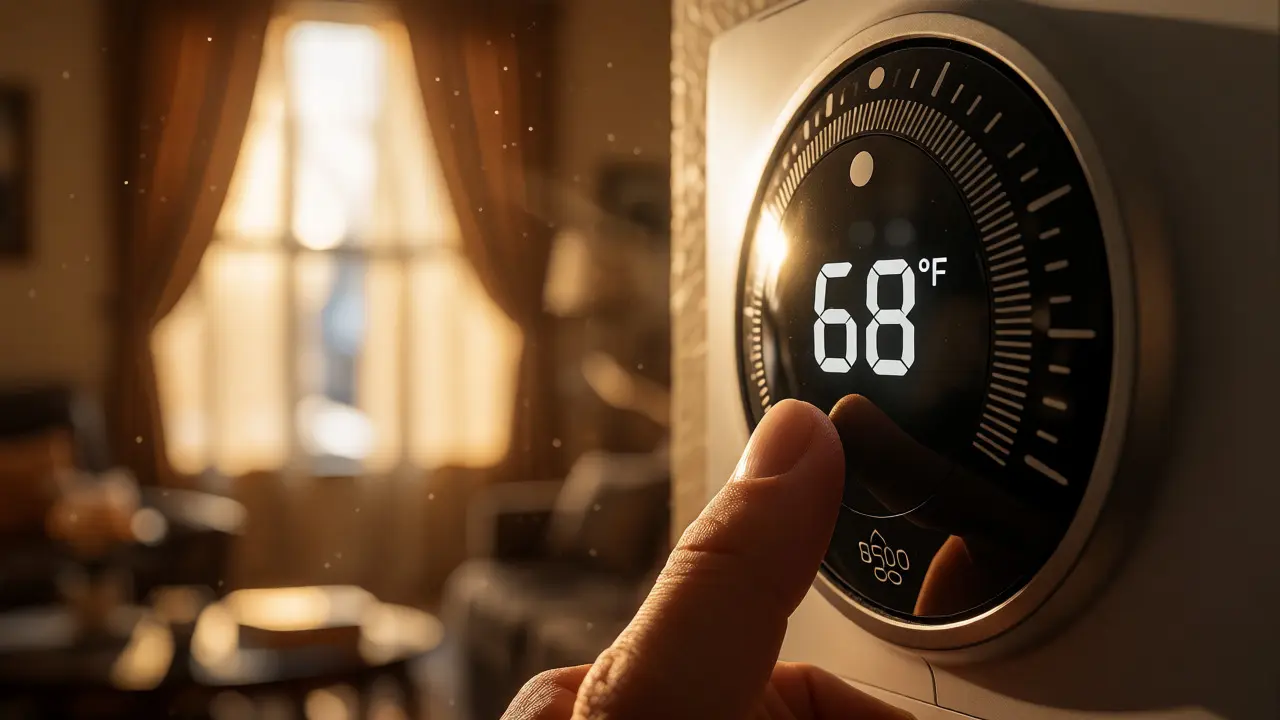
- "Are thermostats programmable?" Manual dials waste money. Smart thermostats can save 10-15% annually.
- "What is the average winter utility bill for previous tenants?" Get actual receipts, not estimates. Look for January and February bills specifically.
Also, consider the "heat pump" trend. Many newer Chicago developments are installing electric heat pumps instead of resistance heaters. Heat pumps move heat rather than creating it, making them 2-3x more efficient than baseboards. If you see "Heat Pump" listed in amenities, electric becomes the clear winner for cost and comfort.
Final Verdict: It Depends on Control
There is no universal answer. Gas is generally cheaper per unit of energy, but electric offers better control. In Chicago’s harsh winters, control matters. Being able to lower the temperature when you’re asleep or away offsets the higher rate per kWh.
If you live in a modern building with individual electric heat pumps, you’ll likely save money and sleep better. If you’re stuck in a pre-war walk-up with communal steam radiators, you’re paying for inefficiency whether you like it or not. In that case, negotiate rent credits for high utility costs or invest in heavy thermal curtains to keep the heat inside where you actually are.
Is gas heating always cheaper than electric in Chicago?
No. While natural gas has a lower cost per BTU, electric heating allows for precise zoning and control. In well-insulated apartments where residents actively manage temperatures, electric heat pumps or efficient baseboards can result in lower total monthly bills than inefficient central gas systems.
Who pays for heating repairs in Chicago rentals?
In most cases, the landlord is responsible for major repairs to the heating system (boilers, furnaces, ductwork) under the Illinois Rental Property Act. However, routine maintenance like changing filters may fall to the tenant depending on the lease agreement. Always check your specific contract.
How much does it cost to heat a Chicago apartment in winter?
For a typical 1-bedroom apartment, expect gas bills between $80-$150 per month during peak winter (Jan-Feb). Electric heating can range from $60-$200 depending heavily on insulation, usage habits, and whether the system is resistance-based or a heat pump. Older, drafty units can exceed $200 for either type.
Does ComEd offer assistance programs for high heating bills?
Yes, ComEd partners with agencies to offer the Low Income Home Energy Assistance Program (LIHEAP) and other crisis assistance funds. Eligibility is based on income relative to the federal poverty level. Applications typically open in late fall for the upcoming winter season.
Are heat pumps better than electric baseboards?
Yes, significantly. Heat pumps transfer heat from outside air into your home, using less energy than generating heat directly. They can be 200-300% efficient, whereas electric baseboards are 100% efficient. This means heat pumps can cut electric heating costs by half compared to traditional baseboards.