
You just signed the papers. The boxes are half-packed, the apartment feels strangely quiet, and you’re staring at your phone wondering if you should even bother downloading a dating app yet. If you’re navigating dating after divorce in Chicago, you know the city offers a unique mix of challenges and opportunities. It’s not just about swiping; it’s about rebuilding confidence while managing co-parenting schedules, career pressures, and the sheer size of a metropolis where everyone seems busy.
The good news? You aren’t alone in this transition. Thousands of Chicagoans go through this exact journey every year. The difference between stumbling through it and thriving lies in finding the right support systems and understanding the local landscape. This isn’t about rushing into a new relationship to fill a void. It’s about leveraging community resources, knowing where to meet people who actually align with your life stage, and giving yourself permission to start fresh.
Why Chicago Is Different for Post-Divorce Dating
Dating in Chicago hits differently than in smaller towns or even other major cities like New York or Los Angeles. For one, the seasonality is brutal. From November to March, the cold and gray skies can dampen social energy, making indoor venues and structured events crucial. But beyond the weather, there’s a distinct cultural vibe here. Chicagoans value directness and loyalty. They don’t typically play games. Once they commit, they commit hard.
If you’ve been married for ten years, the shift from "we" to "I" is jarring. In Chicago, you’ll find that many people in their 30s, 40s, and 50s are also re-entering the dating scene. This creates a critical mass of potential partners who understand the baggage-literal and figurative-that comes with divorce. You won’t be the only person explaining why you need to leave by 7 PM on Tuesdays for pickup duty. That shared understanding reduces friction significantly.
However, the sheer number of options can lead to decision fatigue. Apps like Hinge and Bumble are popular, but they often feel superficial when you’re looking for substance. This is where offline connections and niche communities become vital. You need spaces where vulnerability is normalized, not penalized.
Finding Your Tribe: Support Groups That Actually Help
Before you jump back into romantic pursuits, consider joining a group focused on healing. Why? Because dating while still grieving the end of your marriage often leads to rebound relationships that crash and burn. Support groups provide a neutral ground to process emotions without judgment.
Chicago has a robust network of these groups, ranging from secular organizations to faith-based initiatives. Here’s what you should look for:
- DivorceCare: Often hosted in churches across neighborhoods like Evanston, Oak Park, and Lincoln Park, these are intensive six-week programs. They’re great if you want structure and guided discussion rather than open-ended venting.
- Meetup.com Communities: Search for "Single Parents Chicago" or "Post-Divorce Social Club." These groups often organize low-pressure activities like hiking in the Forest Preserves or brunches in Wicker Park. The goal here is friendship first, romance second.
- Therapy Group Sessions: Many private practices in areas like Lakeview or Logan Square offer group therapy specifically for divorced individuals. This is less about socializing and more about working through trauma with a licensed professional.
A common mistake is treating support groups as a dating pool. While sparks do fly, the primary function is emotional stabilization. Use these groups to rebuild your identity outside of being someone’s spouse. When you feel grounded, you’ll approach dates with clarity instead of desperation.
Navigating the Digital Landscape with Intent
Yes, you will likely use apps. But how you use them matters. In Chicago, profile optimization goes beyond good lighting. You need to signal your reality upfront. Are you a parent? Do you have custody arrangements? Mentioning this early filters out people who can’t handle your schedule.
Consider this strategy for your profile:
- Be honest about your status: Don’t hide the divorce. Phrase it positively. "Rebuilding my life and excited for the next chapter" beats "Recently divorced, sad."
- Showcase your neighborhood: Chicago is hyper-local. If you live in Hyde Park, mention it. People prefer proximity over long commutes across the city, especially when time is scarce due to parenting duties.
- Highlight specific interests: Instead of "I like travel," try "Planning my next trip to Italy" or "Weekend hiker in Indiana Dunes." Specificity invites conversation.
Also, beware of "ghost town" profiles. Some users are inactive or already taken. A quick rule of thumb: if their last photo is older than two years, swipe left. Freshness matters in the digital dating world.

Where to Meet People Offline (Without Feeling Awkward)
Apps have their place, but real chemistry often happens face-to-face. Chicago offers plenty of venues designed for adults who want to connect meaningfully. Forget loud clubs where you can’t hear each other speak. Look for environments that encourage conversation.
| Venue Type | Best For | Neighborhood Examples | Vibe |
|---|---|---|---|
| Social Sports Leagues | Active singles, teamwork | Kickball in Bucktown, Volleyball in Andersonville | Casual, recurring interaction |
| Book Clubs & Trivia Nights | Intellectual connection | Lakeshore Library branches, Logan Square bars | Low pressure, conversation-focused |
| Museum Members Events | Cultured, mature crowd | Art Institute, Field Museum, Adler Planetarium | Sophisticated, relaxed |
| Volunteer Organizations | Values alignment | Habitat for Humanity, Food Banks | Meaningful, shared purpose |
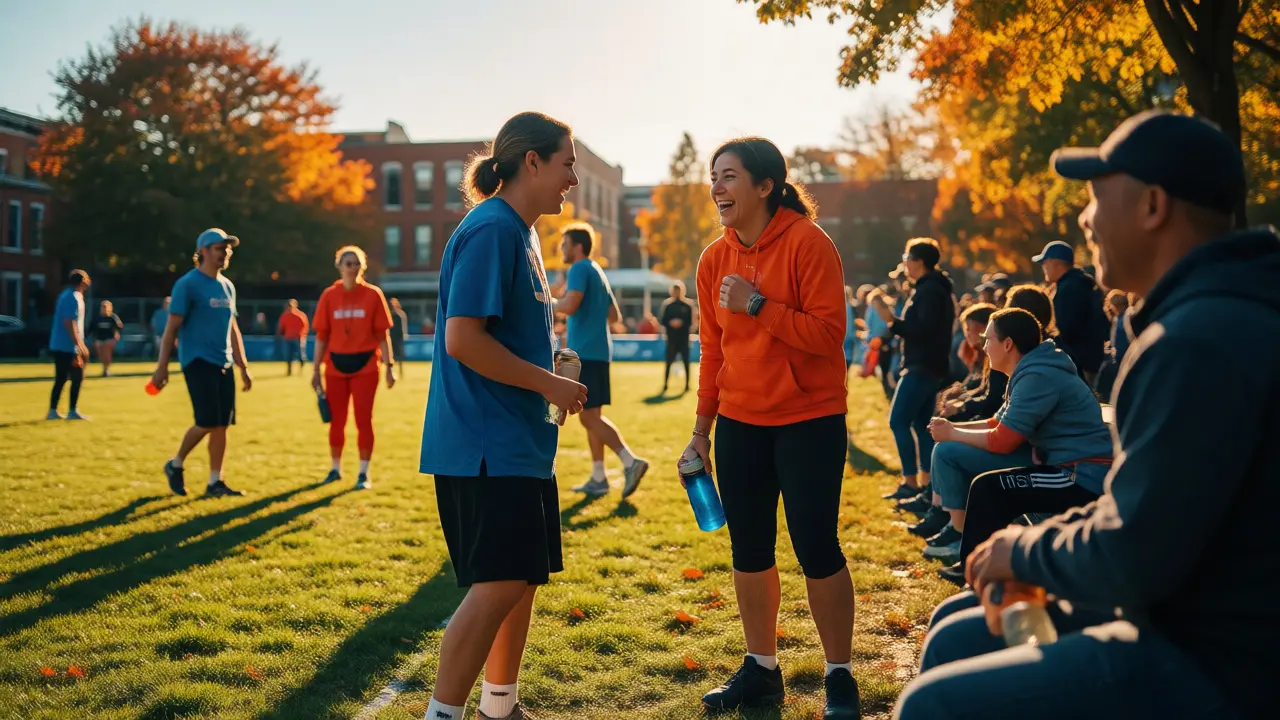
Social sports leagues, particularly kickball and volleyball, are surprisingly effective for meeting people. You see the same faces weekly, which builds familiarity naturally. Plus, it shows character traits like competitiveness and teamwork in action. Volunteer work is another underrated avenue. Working alongside someone at a food bank reveals generosity and empathy faster than any dinner date could.
The Co-Parenting Factor: Integrating Kids into Dating
If you have children, dating isn’t just about you anymore. It’s about introducing a new adult into your kids’ lives carefully. Experts generally recommend waiting at least six months before introducing a new partner to your children. This buffer allows the relationship to stabilize and prevents kids from feeling like they’re competing for attention.
In Chicago, public spaces are your friend for initial introductions. Take a walk along the Riverwalk or visit the Shedd Aquarium. These settings are neutral, fun, and allow kids to interact without the pressure of a formal family dinner. Keep the first meetings short and positive. If things go well, gradually increase the time spent together.
Communication with your ex-spouse is also critical. You don’t need to share every detail, but keeping the lines of respect open helps reduce tension. If your co-parent sees that your new partner respects boundaries and prioritizes the children’s well-being, they’re more likely to support the relationship.
Emotional Readiness: How to Know You’re Ready
How do you know when you’re truly ready to date again? There’s no magic timeline. Some people are ready in three months; others take two years. However, there are signs to watch for:
- You can talk about your ex without intense emotion: Anger or deep sadness means you’re still processing. Indifference or mild nostalgia suggests closure.
- You enjoy your own company: If you’re dating to escape loneliness, you might pick the wrong person. If you’re dating because you have space in your life for someone else, you’re in a healthier headspace.
- You’ve established a routine: Your logistics (housing, finances, childcare) are stable enough that a new relationship won’t derail your daily life.
Remember, rejection is part of the game. In Chicago, people are polite but direct. If a date doesn’t ask for a second one, it’s rarely personal. It’s often about timing, compatibility, or simply different life goals. Don’t let a string of bad dates convince you that something is wrong with you. Sometimes, it’s just a numbers game.
Building a New Identity Outside the Marriage
One of the hardest parts of divorce is rediscovering who you are when you’re not half of a couple. Did you stop painting? Did you abandon your love for jazz music? Reclaim those hobbies. Join classes at local community centers or take workshops in neighborhoods like Pilsen or Uptown.
This isn’t just self-indulgence; it’s strategic. Pursuing passions makes you more attractive because it signals vitality and independence. When you meet someone, you have stories to tell beyond "I used to be married." You become a complete person, not a fragmented half looking for completion.
Ultimately, dating after divorce in Chicago is a journey of reinvention. It requires patience, a thick skin, and a willingness to lean on community. Whether you’re grabbing coffee in Andersonville or attending a support group in Hyde Park, keep your eyes open for connections that add value to your life. The city is big, but your circle of support can make it feel small and manageable.
How soon should I start dating after divorce?
There is no universal rule, but most therapists suggest waiting until you feel emotionally stable and independent. For many, this takes 6 to 12 months. Rushing often leads to rebound relationships. Focus on establishing your new routine first.
Are there specific dating apps popular in Chicago for divorced people?
Hinge and Bumble are widely used and allow you to filter by relationship intent and parental status. Match.com remains popular among older demographics seeking serious commitment. Niche apps like Stir are designed specifically for single parents.
How do I introduce a new partner to my children?
Wait at least six months. Choose a neutral, low-stress public location like a park or museum. Keep the first meeting short and casual. Let the children set the pace for further interactions.
What are some free support groups in Chicago?
Many libraries host peer-led support circles. Additionally, Meetup.com lists free social groups for singles and divorced parents. Some hospitals and community health centers also offer free introductory workshops on coping with life transitions.
Is it difficult to date in Chicago during winter?
It can be challenging due to limited outdoor options, but it encourages cozy, conversation-focused dates. Museums, cafes, and indoor markets like the Merchandise Mart offer warm venues. Winter dating also tests compatibility in low-energy seasons.