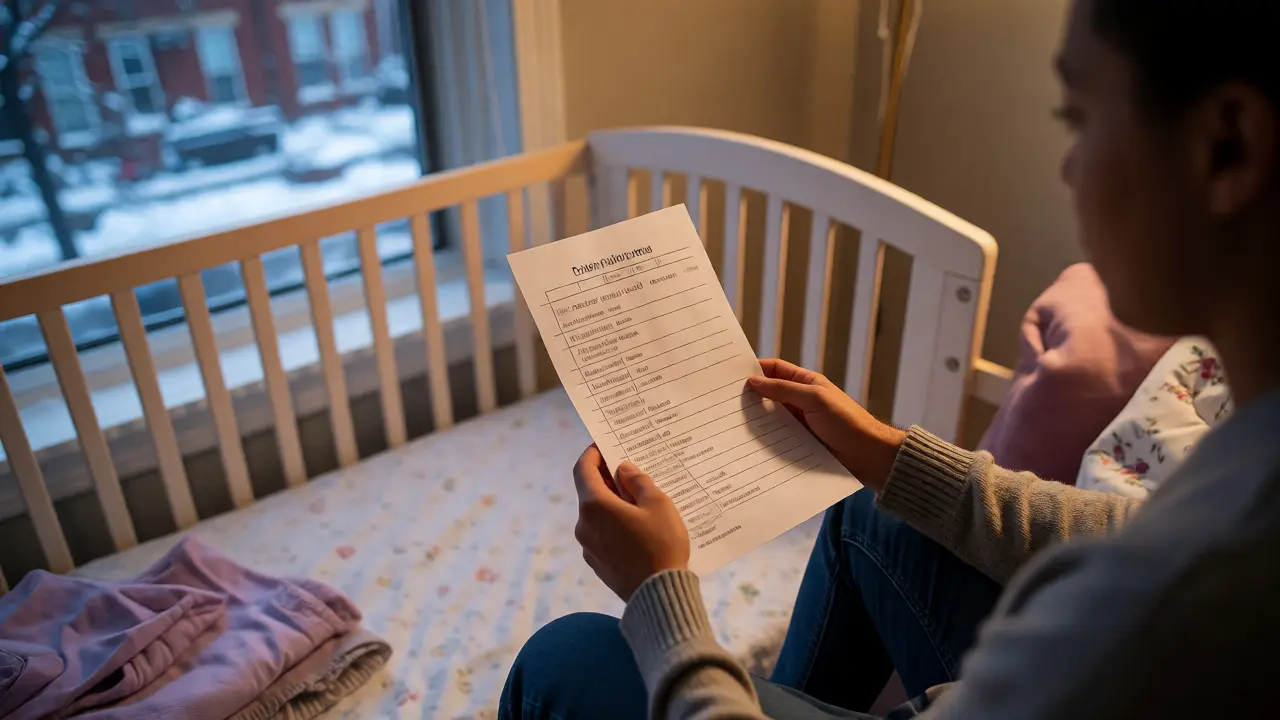
So you’ve got the car seat installed, the crib is assembled (mostly), and the nursery smells like lavender detergent. But there’s one box on your checklist that feels surprisingly heavy: finding a pediatrician who actually gets it. If you’re navigating this in Chicago, you aren’t just looking for a doctor; you’re looking for a partner in your child’s health journey across a city known for its harsh winters, sprawling suburbs, and world-class medical institutions.
The sheer number of options can be paralyzing. Do you go with the big hospital system? The neighborhood clinic? The private practice with the long waitlist? This isn’t about picking the name with the most stars on Yelp. It’s about matching your family’s lifestyle, insurance, and values with a provider who will be there when your kid spikes a fever at 2 AM or needs advice on starting solids.
Start With Your Insurance Network
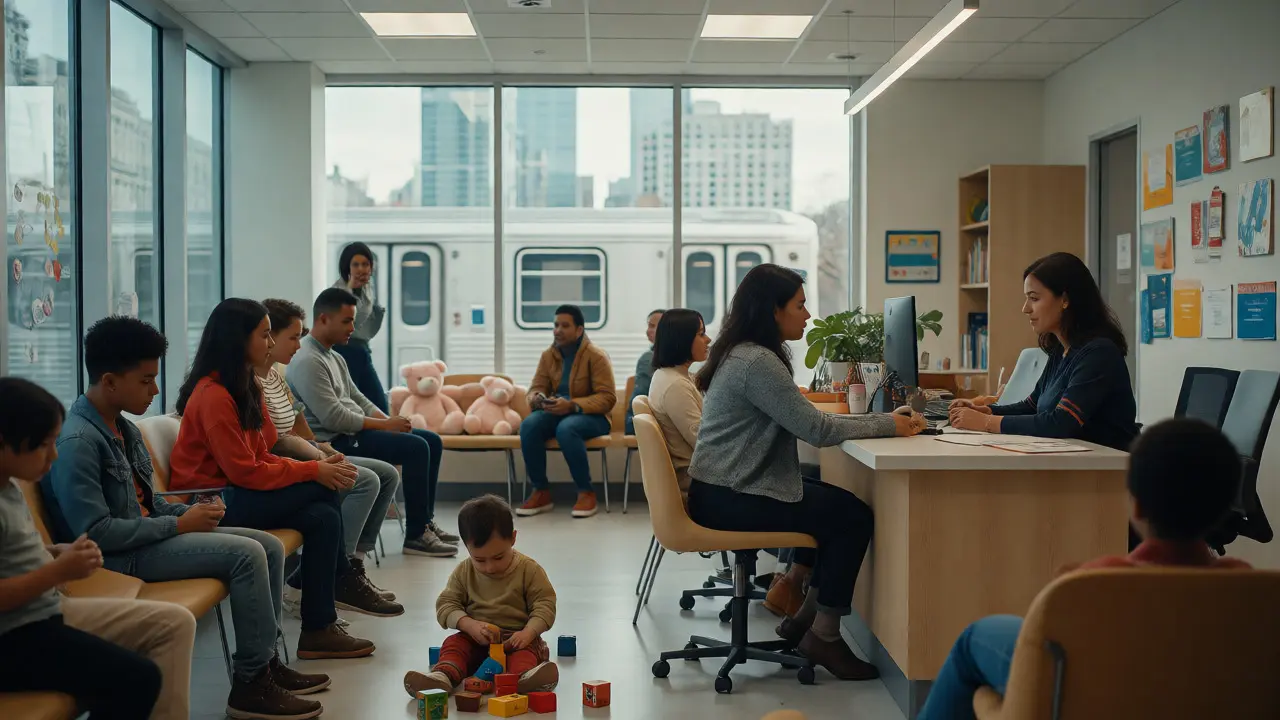
Before you fall in love with a charming office full of stuffed animals, check your wallet. In Illinois, health insurance networks are strict. If you have a PPO, you have more freedom to see out-of-network providers, but you’ll pay more. If you have an HMO or EPO, you must stay within the network to avoid surprise bills.
Here’s the trap many new parents fall into: they pick a doctor first, then realize their plan doesn’t cover them. Log into your insurer’s portal today. Search for "Pediatrics" in your zip code. Don’t just look at names; look at the facility. Is it attached to a major hospital? That matters if your child ever needs specialized care.
| System | Key Hospital | Best For |
|---|---|---|
| Northwestern Medicine | Ann & Robert H. Lurie Children’s Hospital | Families wanting top-tier research and specialty referrals. |
| Rush University Medical Center | Rush University Children’s Hospital | West Side families and those valuing community-focused care. |
| Advocate Health Care | Advocate Children’s Hospital | Suburban families needing convenient locations and broad coverage. |
| UChicago Medicine | Comer Children’s Hospital | Hyde Park/South Side residents and academic medicine enthusiasts. |
Hospital Affiliations Matter More Than You Think
You might think your pediatrician’s office is separate from the hospital where your baby was born. Often, it isn’t. Many pediatric practices are directly affiliated with large systems like Lurie Children’s or Rush. Why does this matter?
Continuity of care. If your child develops a complex issue-say, asthma that won’t quit or a developmental delay-you want a primary care provider who has direct lines to specialists within that same system. Electronic health records talk to each other better inside these walled gardens. Plus, if you need to rush to the ER, going to the affiliated children’s hospital means your pediatrician likely has privileges there and can coordinate faster.
For example, if you live in Evanston or the North Shore, Northwestern Medicine is often the default because Lurie Children’s is ranked among the best in the nation. If you’re on the West Side, Rush offers deep community ties and strong emergency services. Choose based on geography and trust, not just brand recognition.
Evaluate the Office Vibe and Logistics
A great doctor in a terrible location is a headache waiting to happen. Chicago traffic is no joke, especially during lake-effect snow or summer construction season. Ask yourself:
- Is it accessible by public transit? If you don’t drive, being near a CTA Blue Line or Brown Line station saves sanity.
- What are the hours? Do they offer evening or weekend appointments? Working parents need flexibility.
- How do they handle sick visits? Some offices have separate entrances for sick kids to prevent cross-contamination. Others use telehealth for minor issues.
- Is parking free? In neighborhoods like Lincoln Park or Wicker Park, paid garage parking adds up fast.
Call the office before you commit. Listen to how they answer. Are they rushed? Helpful? If the receptionist sighs when you ask about appointment availability, imagine what they’ll be like when you’re calling in tears because your toddler has a rash.
Match Their Philosophy to Yours
Pediatricians aren’t all created equal. Some are strictly evidence-based and skeptical of alternative therapies. Others are open to integrative approaches like acupuncture or herbal supplements. Some believe in strict vaccination schedules; others allow for spacing them out (though this is rare in major Chicago systems).
During your initial consultation, ask direct questions:
- "What is your stance on antibiotics for ear infections?"
- "How do you approach screen time recommendations?"
- "Do you support breastfeeding, and do you have lactation consultants available?"
- "What is your policy on vaccines?"
You don’t need to agree on everything. But you need to respect their expertise and feel comfortable disagreeing without judgment. If you value holistic wellness, a high-volume corporate clinic might feel too sterile. If you prefer data-driven decisions, a small boutique practice might lack the resources for quick lab results.
The Importance of Cultural Competence
Chicago is incredibly diverse. Your pediatrician should understand your cultural context. If you speak Spanish, Mandarin, or Polish at home, does the office have bilingual staff? Miscommunication about medication dosages or feeding instructions can lead to real health risks.
Look for practices that reflect the diversity of your neighborhood. Providers who share your background may understand nuances in diet, family structure, or health beliefs that others miss. However, competence trumps shared ethnicity. A provider who listens actively and respects your traditions is worth their weight in gold.

Check Reviews, But Read Between the Lines
Online reviews are useful but flawed. People usually post when they’re angry or ecstatically happy. Look for patterns, not outliers. If five people complain about long wait times, that’s a pattern. If one person hates the doctor’s bedside manner, it might be subjective.
Pay attention to comments about:
- Wait times: Consistently over 30 minutes past appointment time?
- Phone response: How quickly do they return calls about urgent issues?
- Staff turnover: Frequent complaints about seeing different nurses every visit suggest instability.
Remember, your pediatrician will see your child for 18+ years. Chemistry matters. Trust your gut after the first visit. Did they listen? Did they explain things clearly? Or did they rush you out the door?
Don’t Forget About Mental Health Support
Modern pediatric care includes mental health screening. By age 6, many Chicago pediatricians screen for anxiety and depression annually. Does your chosen provider integrate behavioral health services? Can they refer you to a trusted child psychologist within the same network?
With rising rates of youth anxiety, having a pediatrician who treats mental health as seriously as physical health is crucial. Ask if they offer therapy referrals or if they collaborate with local therapists. This saves you months of searching later.
Next Steps: Making the Appointment
Once you’ve narrowed it down to two or three options, schedule a prenatal or newborn visit if possible. Many offices welcome expectant parents for a tour. Bring your partner. Watch how the staff interacts with pregnant women and young babies. Is the environment calm? Clean? Welcoming?
If you already have a child, book a routine well-child check. Use this as a trial run. Bring a list of questions. See how much time they spend answering them. This low-stakes visit gives you the data you need to make a final decision.
Can I switch pediatricians after my child is born?
Yes, absolutely. Most families try one provider and switch if it’s not a good fit. Just ensure you request copies of your child’s medical records so the new doctor has a complete history. Transferring records usually takes a few days.
Do I need a pediatrician if I have a family doctor?
While some family doctors treat children, pediatricians specialize exclusively in childhood development, growth charts, and illnesses unique to kids. Given Chicago’s specific health challenges, such as seasonal flu peaks and winter respiratory viruses, a specialist’s insight is often valuable.
What if I move to a different neighborhood in Chicago?
You don’t necessarily have to change doctors. Many large systems like Advocate or Northwestern have clinics across the city. If you stay within the same network, you can transfer to a closer branch while keeping the same electronic health record continuity.
Are walk-in clinics enough for basic care?
Walk-ins are fine for emergencies or minor issues, but they lack continuity. They don’t track growth trends or vaccination histories comprehensively. Always maintain a primary relationship with a dedicated pediatrician for preventive care.
How do I find a pediatrician who accepts Medicaid?
Use the Illinois Department of Healthcare and Family Services provider search tool. Filter by "Pediatrics" and "Medicaid." Community health centers, like those operated by Erie Family Health Centers, often serve Medicaid populations effectively in urban areas.