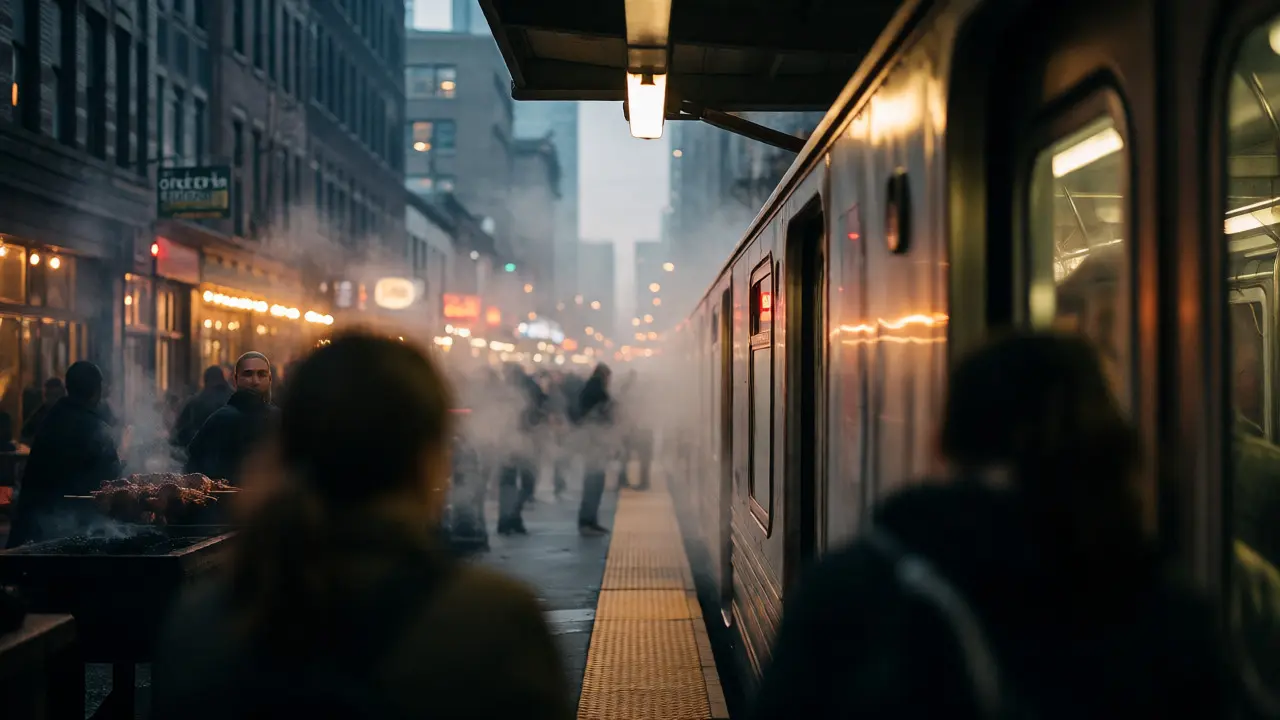
You know that specific smell? It’s a mix of roasting lamb, oregano, and charcoal smoke that hits you the moment you step off the Halsted Street L train. That is the scent of Greektown, a vibrant neighborhood on Chicago’s Near West Side that has served as the cultural heart of the Greek-American community for over a century. If you’re looking for more than just a tourist trap photo op, you need to know where the locals actually eat, drink, and celebrate. This isn’t just about grabbing a gyro; it’s about understanding the rhythm of a community that survived the Great Fire, the Prohibition era, and urban renewal projects to become one of the most authentic ethnic enclaves in the Midwest.
The Heartbeat of Greektown: History and Identity
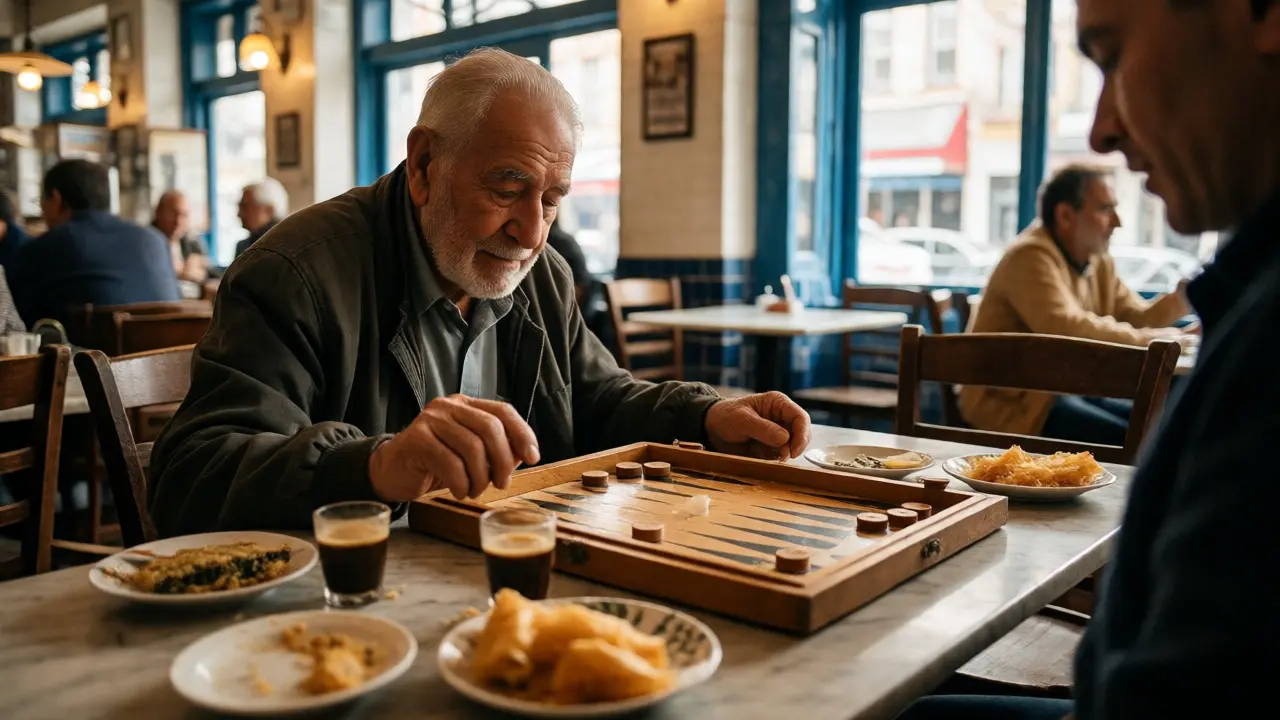
Greektown didn’t start as a dining district. It began as a residential hub for immigrants arriving in the late 19th and early 20th centuries. By the 1920s, the area around Halsted and Taylor Streets was densely packed with Greek families, businesses, and churches. The Hellenic Museum stands today as a testament to this heritage, offering deep dives into the history, art, and language of the diaspora. Unlike some neighborhoods that have been gentrified into oblivion, Greektown maintains a strong sense of identity. You’ll still see elderly men playing backgammon outside cafes and hear conversations switching rapidly between English and Greek.
The neighborhood’s resilience is impressive. In the 1950s and 60s, many ethnic enclaves were displaced by highway construction or corporate development. Greektown fought back, preserving its architectural character and business ecosystem. Today, it serves as a living museum of Hellenic culture, where traditions aren’t just performed for tourists but lived daily by residents and long-time business owners.
Eating Like a Local: Beyond the Gyro
Let’s be honest: everyone knows about gyros. But if you only eat gyros in Greektown, you’re missing out on half the menu. While Athena is famous for its all-you-can-eat buffet and lively atmosphere, the real culinary treasures are often tucked away in smaller spots or specialized bakeries. Start your morning at Dolce Gelato, which offers authentic Italian-Greek fusion desserts, or head to Yia Yia Mary’s for homemade pasta dishes that blend Greek ingredients with Italian techniques.
For lunch, skip the tourist-heavy main strip during peak hours. Instead, try Melody Cafe, known for its cozy vibe and excellent coffee, or grab a spanakopita from Bakeries along the side streets. These places use phyllo dough made fresh daily, not frozen sheets shipped from a factory. Dinner should be an event. Places like Mon ami Gabi offer upscale Mediterranean cuisine in a setting that feels both sophisticated and welcoming. Don’t forget to order the moussaka or pastitsio-these baked pasta and eggplant dishes are comfort food defined.
| Restaurant | Best For | Price Range | Local Tip |
|---|---|---|---|
| Athena | Groups & Buffets | $$ | Go early to avoid lines; great for large parties. |
| Yia Yia Mary's | Homemade Pasta | $$ | Try the chicken paprikash; ask for extra bread. |
| Melody Cafe | Coffee & Pastries | $ | Perfect spot for people-watching on Halsted. |
| Mon ami Gabi | Date Night | $$$ | Reservations recommended on weekends. |
| Parthenon Restaurant | Traditional Fare | $$ | Known for consistent quality and classic decor. |
Nightlife and Entertainment: Where the Fun Happens
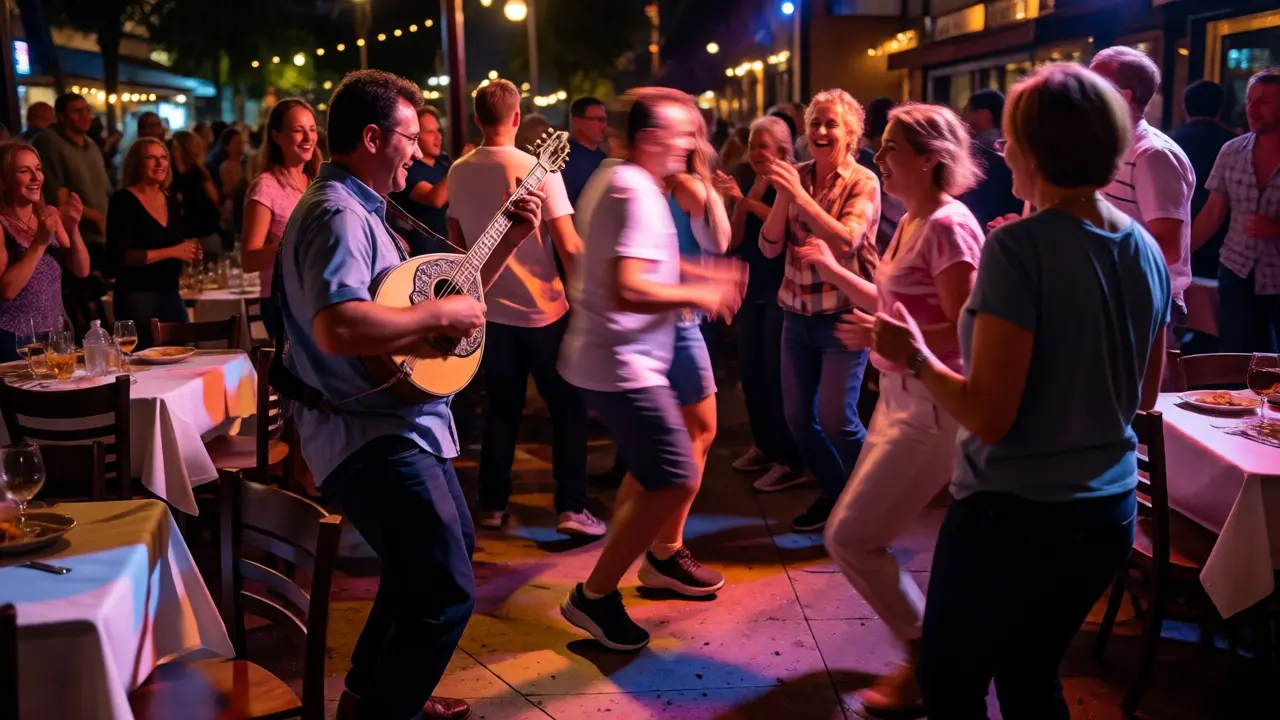
When the sun sets, Greektown transforms. The streetlights glow amber, and the energy shifts from family dinners to high-energy nightlife. This is one of the few places in Chicago where you can find authentic Live Bouzouki Music without searching through obscure basement clubs. Venues like Chicago Greek Festival venues (seasonal) and bars such as Halsted Pub often feature live bands playing traditional rebetiko or modern pop hits.
If you’re looking for dancing, check out the larger establishments on the main strip. Many restaurants double as nightclubs after 9 PM, clearing tables to make room for dance floors. The music is loud, the drinks are strong, and the crowd is diverse-tourists, students from nearby universities, and locals letting loose. For a quieter evening, visit The Parthenon’s lounge area, which offers a more relaxed atmosphere with good cocktails and occasional acoustic performances.
One thing to keep in mind: parking can be tricky on weekend nights. Most restaurants validate parking in nearby garages, but always confirm this when you book your table. Walking from the CTA Blue Line station is often faster and less stressful than circling the block for a spot.
Cultural Events and Festivals
The crown jewel of Greektown’s calendar is the Chicago Greek Festival. Held annually in August, this multi-day event draws hundreds of thousands of visitors. It’s not just a food fair; it’s a celebration of faith, music, and dance. You’ll see traditional dancers in colorful costumes performing syrtaki and other folk dances in the streets. The festival also features religious ceremonies at the nearby Holy Trinity Greek Orthodox Church, providing insight into the spiritual life of the community.
Even if you miss the big festival, there are smaller events year-round. Easter is particularly significant, with elaborate church services and family gatherings. Look for local announcements about poetry readings, art exhibits at the Hellenic Museum, or cooking classes that teach you how to make dolmades from scratch. These intimate events offer a deeper connection to the culture than the massive crowds of August allow.
Practical Tips for Visitors
Getting to Greektown is easy. The CTA Blue Line stops directly at the Clark/Lake or Washington/Wabash stations, depending on your route, but the closest dedicated stop is usually via connections to the Loop. Actually, the most direct access is via the Halsted Station on the Brown and Purple Lines, followed by a short walk south. From downtown, it’s a quick ride or a manageable 20-minute walk if you’re feeling energetic.
What to wear? Comfortable shoes are non-negotiable. You’ll likely walk several blocks exploring different shops and restaurants. Dress code varies: casual is fine for lunch, but smart-casual works better for dinner at upscale spots. During summer, bring sunglasses and water; the heat radiates off the pavement. In winter, bundle up-the wind off Lake Michigan can cut through even the thickest coats.
Language barrier? None. Everyone speaks English, though you might hear Greek phrases like "Efharisto" (thank you) or "Yiasou" (hello). Locals appreciate the effort if you try a few words, but don’t worry if you don’t know them. Hospitality is deeply ingrained in Greek culture, so expect warm welcomes regardless of your linguistic skills.
Shopping and Souvenirs
Before you leave, pick up something to take home. Avoid the generic keychains sold near the entrance. Instead, visit specialty shops selling olive oil, honey, and spices. Look for Kalamata olives packed in brine rather than vinegar-they taste richer and more authentic. Greek honey, especially thyme honey, makes a fantastic gift. Some stores also sell handmade ceramics or jewelry inspired by ancient motifs, supporting local artisans rather than mass-produced imports.
Bookstores in the area often carry Greek-language literature and children’s books, useful if you’re trying to learn the language or introduce kids to their heritage. Art galleries sometimes showcase works by Greek-American artists, blending classical themes with modern perspectives. Browsing these shops gives you a tangible piece of the neighborhood’s creative spirit.
Frequently Asked Questions
Is Greektown safe for tourists?
Yes, Greektown is generally considered safe, especially during daytime and early evening hours when foot traffic is high. Like any urban neighborhood, stay aware of your surroundings late at night. Stick to well-lit main streets and use reputable transportation options if leaving late.
Do I need reservations for restaurants?
For popular spots like Athena or Mon ami Gabi, reservations are highly recommended, especially on weekends and holidays. Smaller cafes and bakeries operate on a first-come, first-served basis. Planning ahead ensures you get a table without waiting an hour.
What is the best time to visit Greektown?
Spring and fall offer pleasant weather for walking around. Summer is lively but hot and crowded, especially during the Greek Festival in August. Winter is quiet but cozy, with fewer tourists and lower prices at hotels and restaurants.
Are there vegetarian options available?
Absolutely. Greek cuisine is naturally friendly to vegetarians. Dishes like horiatiki salad, fava, gigantes plaki (baked beans), and various vegetable stews are staples. Most restaurants clearly mark vegetarian-friendly items on their menus.
Can I experience live music every night?
Not necessarily every single night, but frequently. Larger restaurants and bars often schedule live bands on Friday and Saturday evenings. Check local listings or call ahead to confirm performance schedules, as they can change based on seasons and events.