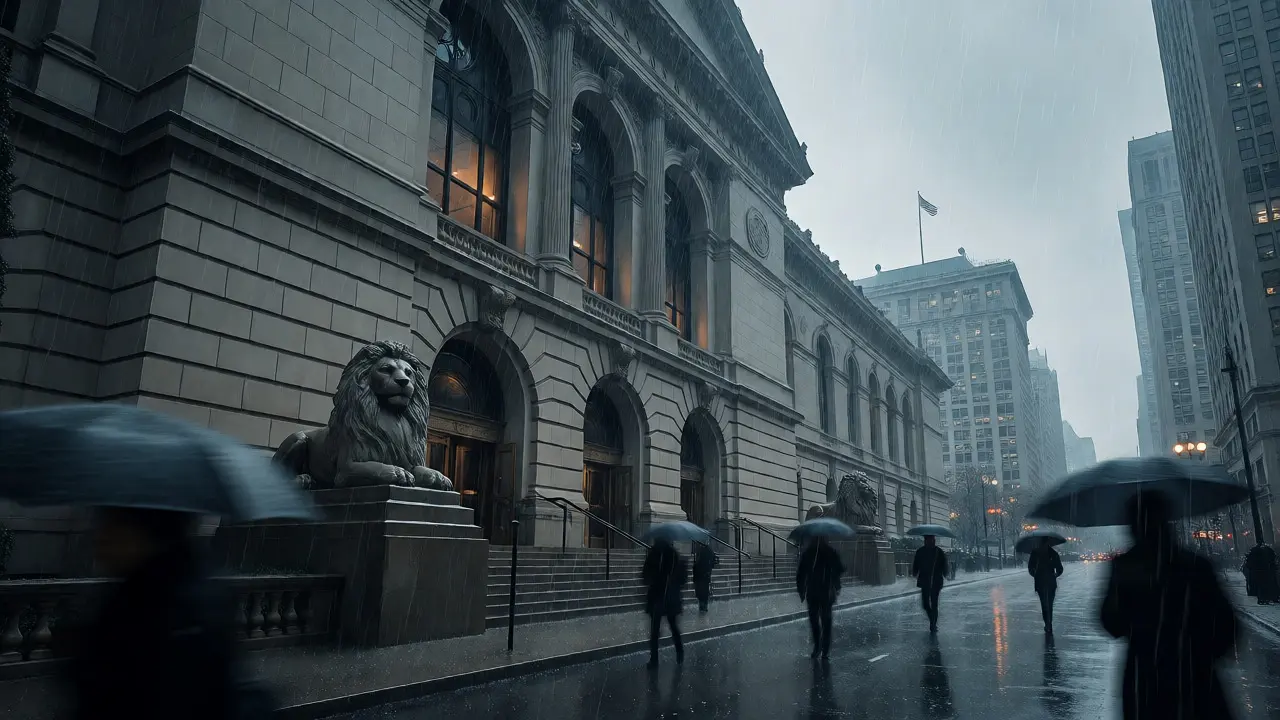
You booked the tickets. You packed the walking shoes. Then you checked the forecast for your Chicago trip and saw a wall of gray clouds with a high chance of precipitation. Don’t panic. In fact, don’t even bother trying to fight it. Chicago weather is notoriously fickle, but a rainy day here isn’t a disaster-it’s an opportunity. The city has one of the highest concentrations of world-class museums, historic architecture, and cozy dining spots in the United States, all designed to be enjoyed when the sky opens up.
Most tourists make the mistake of trying to cram every outdoor sightseeing stop into their schedule, only to get soaked and miserable. A smart traveler pivots. Instead of fighting the wind off Lake Michigan, you lean into the indoors. But where do you go? If you just say "go to a museum," you’re missing out on the neighborhood-specific vibes that make Chicago special. Wicker Park feels completely different from Lincoln Park or Hyde Park, especially when it’s pouring outside. Here is how to build a solid backup itinerary based on which part of the city you are staying in or exploring.
Why Your Location Dictates Your Rainy Day Strategy
Chicago is huge. Trying to cross town in a downpour via public transit can eat up two hours of your day if you aren’t careful. The CTA (Chicago Transit Authority) is great, but waiting on an open platform in the rain sucks. The key to a successful wet-weather plan is minimizing travel time between activities. Pick a neighborhood, stay there, and own it. This approach saves energy, keeps you dry, and lets you actually experience the local culture rather than just seeing it through a bus window.
Think of each neighborhood as its own micro-city with distinct entertainment hubs. When the rain hits, you want to hop from one indoor venue to another within walking distance or a quick cab ride. Below, we break down the best strategies for four major areas, tailored for adults, families, and solo explorers.
The Loop: Culture Heavyweight Champion
If you are staying downtown, you have hit the jackpot. The Art Institute of Chicago is one of the oldest and largest art museums in the United States, housing over 300,000 works including iconic pieces like Grant Wood's 'American Gothic' and Seurat's 'A Sunday Afternoon on the Island of La Grande Jatte'. It is not just a building; it is a labyrinth of history and beauty that can easily consume six to eight hours of your day. The main building at Michigan Avenue is grand, but don't overlook the Modern Wing, which offers stunning views of Millennium Park even when it’s gray outside.
After you’ve had enough visual stimulation, walk two blocks east to the Field Museum or take the Red Line south to Shedd Aquarium. Both are located near Soldier Field, making them easy to combine. The Field Museum is particularly good for rainy days because its exhibits, like SUE the T. rex and the Ancient Americas hall, are immersive and dimly lit, creating a cozy atmosphere that contrasts nicely with the storm outside. For a lighter vibe, head to the Museum of Contemporary Art (MCA), which often hosts free events and has a fantastic rooftop café that is enclosed and warm during bad weather.
- Pro Tip: Buy timed-entry tickets online before you leave your hotel. Walk-up lines can be brutal, especially on weekends when everyone else has the same rainy-day idea.
- Lunch Spot: Try Lou Malnati’s deep-dish pizza nearby. It’s heavy, cheesy, and perfect comfort food for a cold, wet day.

Lincoln Park: Science and Greenery Indoors
Lincoln Park is beautiful when sunny, but it becomes a sanctuary when it rains. The area is anchored by the Lincoln Park Zoo, which is a free municipal zoo located within Lincoln Park, known for its historic architecture and commitment to conservation research. While some animals move indoors, many enclosures are heated and glass-fronted, allowing you to watch polar bears or penguins without getting wet. The zoo itself is smaller than San Diego or St. Louis, so you can see the highlights in three hours.
Right next door sits the Peggy Notebaert Nature Museum. Unlike traditional natural history museums, this place focuses on urban ecology and sustainability. It features a butterfly haven that is lush, humid, and incredibly peaceful-a stark contrast to the chaotic city streets. It’s ideal for families with kids aged 5-12, but adults find the interactive exhibits surprisingly engaging.
When you need a break from science, walk north toward Armitage Avenue. This stretch is lined with independent bookstores, vintage clothing shops, and cafes. Places like Gemini Bookshop offer curated selections that spark conversation. Grab a latte, browse the shelves, and wait out the squall. The vibe here is intellectual and relaxed, far removed from the tourist rush of the Loop.
Wicker Park & Bucktown: Hipster Havens
If you prefer coffee shops and record stores over marble halls, head west to Wicker Park. This neighborhood thrives on indie culture, and rain just makes people linger longer in their favorite spots. Start at Reckless Records, a massive vinyl shop that doubles as a community hub. Browsing records is a tactile, slow-paced activity that fits perfectly with a rainy afternoon.
From there, wander down Milwaukee Avenue. You’ll find speakeasies, craft cocktail bars, and eclectic boutiques. Many venues here have no cover charge and allow smoking or vaping indoors (check current laws, but many have adapted), adding to the cozy, slightly gritty charm. For lunch, try Girl & The Goat-be prepared for a wait, but the menu is inventive and the space is lively. If you want something quieter, check out the numerous independent galleries that pop up along the side streets. They often host opening receptions on Friday nights, offering free wine and cheese while you critique contemporary art.
| Neighborhood | Best For | Top Indoor Activity | Vibe |
|---|---|---|---|
| The Loop | First-time visitors, art lovers | Art Institute of Chicago | Grand, Historic, Touristy |
| Lincoln Park | Families, nature enthusiasts | Nature Museum & Zoo | Educational, Calm, Green |
| Wicker Park | Young adults, creatives | Record Stores & Cafes | Trendy, Indie, Relaxed |
| Hyde Park | History buffs, students | Museum of Science & Industry | Academic, Deep, Quiet |

Hyde Park: Intellectual Depth
South Side Chicago gets overlooked by tourists, but Hyde Park is a treasure trove for those who love history and science. The centerpiece here is the Museum of Science and Industry (MSI). It is the largest science center in the Western Hemisphere, featuring over 75 acres of exhibit space including a full-size German submarine and a coal mine tour. You could spend two entire days here and still miss sections. The U-505 submarine exhibit alone requires a guided tour and takes about 45 minutes, offering a claustrophobic yet fascinating look at WWII naval life.
After MSI, visit the Robie House, a Frank Lloyd Wright masterpiece. Tours are limited and require booking weeks in advance, but standing inside these spaces while rain hammers against the stained glass is a spiritual experience for design fans. If you didn’t book ahead, grab coffee at a local spot and read about Wright’s philosophy. The neighborhood feels academic and grounded, largely due to the University of Chicago presence. It’s a great place to think, reflect, and escape the noise.
Logistics: Getting Around Without Soaking Your Shoes
Public transit in Chicago is efficient, but rain changes the equation. The L trains are elevated, meaning you stand outside while waiting. If it’s raining hard, consider using rideshare apps for short hops between venues. However, don’t underestimate the value of proper gear. Umbrellas are often useless in Chicago’s wind gusts. Invest in a high-quality raincoat with a hood and waterproof boots. You’ll thank yourself later.
Also, keep an eye on the CTA app for service delays. Rain can cause minor signaling issues on the tracks. Having a backup plan-like a nearby cafe or bookstore-is essential. Never rely on a single destination. Flexibility is the secret weapon of any good traveler.
Is it worth visiting Chicago in November?
Yes, absolutely. November is shoulder season, meaning fewer crowds and lower hotel rates. While the weather is colder and rainier, the city’s indoor attractions are fully operational and more accessible. Plus, early holiday decorations start appearing, adding charm without the December chaos.
What is the best rainy day activity for families with young children?
The Children’s Museum of Chicago in River North is excellent for kids under 8, offering hands-on play. For older children, the Shedd Aquarium provides engaging marine life exhibits that captivate attention regardless of age. Both are centrally located and easy to reach via public transit.
Can I use my CityPASS on rainy days?
Yes, CityPASS covers major attractions like the Art Institute, Field Museum, and Shedd Aquarium. Since these are indoor venues, they remain open during rain. Just remember that popular sites may require timed entry tickets even with a pass, so book slots in advance.
Are there any free indoor activities in Chicago?
The Lincoln Park Zoo is always free. The Harold Washington Library Center downtown offers a stunning interior with Christmas trees in winter and quiet reading rooms. Additionally, many galleries in West Town and Pilsen host free exhibitions and events year-round.
How do I dress for a rainy day in Chicago?
Layering is key. Wear moisture-wicking base layers, a fleece mid-layer, and a waterproof outer shell. Avoid cotton jeans as they stay wet and cold. Waterproof leather boots or trail runners are better than canvas sneakers. Carry a compact umbrella, but expect it to flip inside out in strong winds.