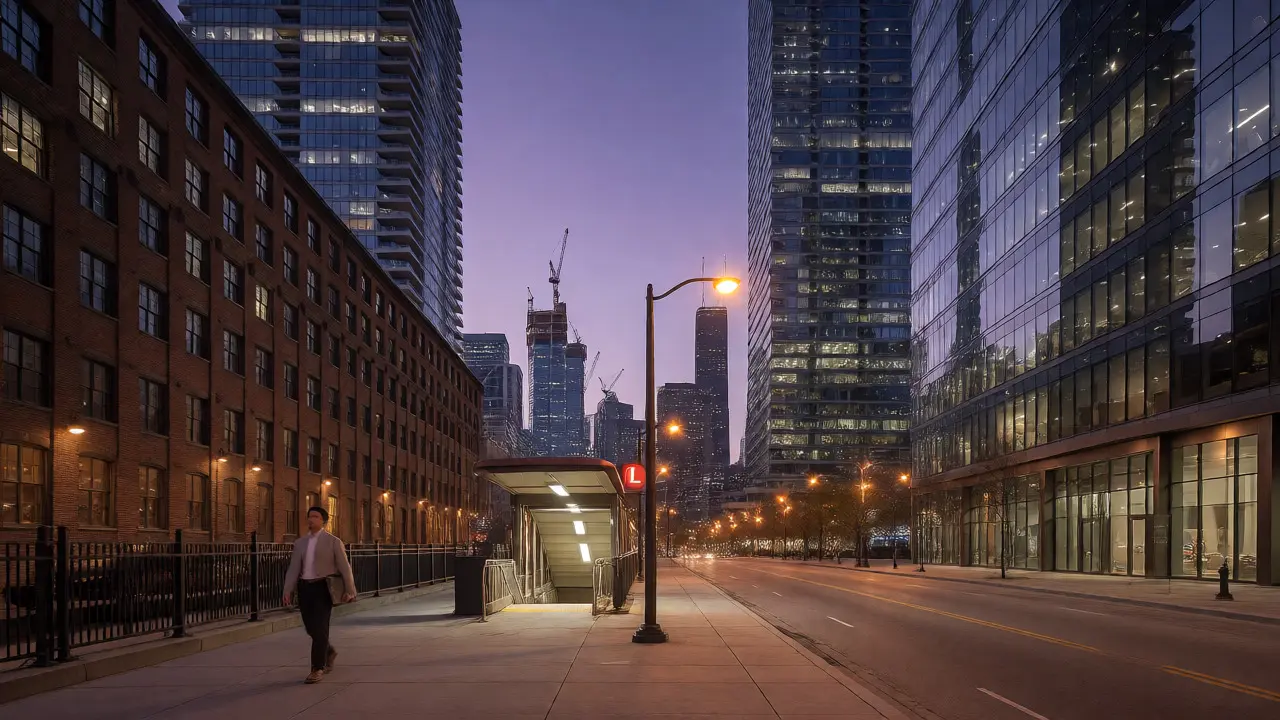
Move to Chicago and you’re not just picking a city; you’re picking a specific vibe. In 2026, the market has shifted from the frantic bidding wars of the early 20s to something more stable, but also more nuanced. If you’re a young professional-maybe working in tech at West Loop, finance in the Loop, or healthcare near Northwestern-you don’t have infinite time to commute. You want walkability, decent nightlife that doesn’t require an Uber home, and rent that doesn’t eat your entire paycheck. But which neighborhood actually fits? The answer depends entirely on what you value: proximity, price, or prestige.
The Tech Hub: West Loop
If you work in tech or marketing, West Loop is the epicenter of Chicago’s modern corporate landscape. It used to be all warehouses and meatpacking plants; now it’s glass towers housing companies like Google and United Airlines’ headquarters. Why do young pros flock here? Because you can sleep in later. The Blue Line runs right through it, getting you to O’Hare in under 30 minutes and to the Loop in 15.
But let’s talk money. Rent here isn’t cheap. A one-bedroom apartment averages around $2,400-$2,800 in late 2026. You’re paying for the convenience of having high-end gyms, rooftop bars, and places like Girl & Goat on your doorstep. Is it worth it? If your commute is currently 45 minutes each way, yes. You’re buying back over an hour of your day. However, if you’re looking for a quiet street with bungalows, this isn’t it. West Loop is loud, dense, and constantly under construction.
The Creative Pulse: Logan Square
Logan Square has matured. It’s no longer the "up-and-coming" spot; it’s arrived. For young professionals who value culture over corporate polish, this is the sweet spot. The Blue Line connects you directly to downtown, but the ride takes about 20-25 minutes. That trade-off buys you significantly cheaper rent. You’ll find one-bedrooms hovering between $1,700 and $2,100.
What makes Logan special is its community feel. You know the baristas at Intelligentsia. You see your neighbors at the Sunday farmers' market. The food scene is incredible without being pretentious-think tacos, craft cocktails, and indie coffee shops rather than $200 tasting menus. If you’re a freelancer or remote worker, Logan Square offers plenty of coworking spaces and cafes with reliable Wi-Fi. Just be aware: parking is a nightmare. If you have a car, budget for a garage spot, which adds another $150-$200 a month.
The Urban Oasis: Lincoln Park
Lincoln Park is often called the "suburb inside the city." It’s green, safe, and packed with families, but don’t let that scare you off. Many young professionals choose Lincoln Park for its access to Northwestern University hospitals and the sheer number of parks. The Brown Line gets you downtown in about 20 minutes.
Rent here varies wildly. Near Armitage Avenue, you’re paying premium prices ($2,500+) for luxury buildings. Move a few blocks north toward Fullerton, and you might find older, charming apartments for $1,900. The downside? It’s quieter after 10 PM. If you’re looking for a party scene, you’ll need to head elsewhere. But if you want to jog along the lakefront in the morning and grab a healthy brunch afterward, Lincoln Park delivers. It’s ideal for those who prioritize health, safety, and a slightly more settled lifestyle.
The Budget-Friendly Choice: Pilsen
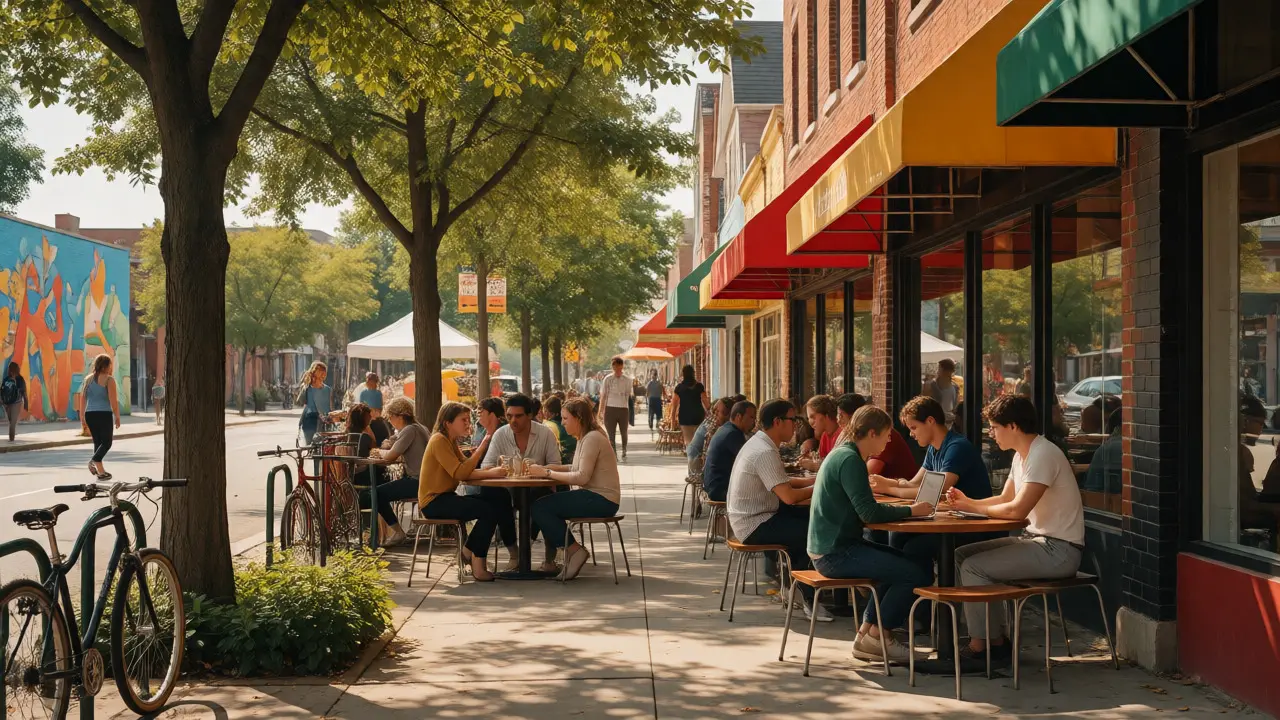
Pilsen remains one of the most affordable options close to the center. Located southwest of the Loop, it’s served by the Pink Line and Orange Line. You can get a nice one-bedroom for $1,400-$1,700. That’s a huge win for your savings account.
The vibe here is artistic and vibrant. Murals cover building facades, and the Mexican food scene is unmatched. However, gentrification is changing the face of Pilsen rapidly. New luxury condos are popping up next to century-old brickwalks. This means noise and construction are part of daily life. Also, while the neighborhood is generally safe during the day, some streets can feel isolated at night. If you’re new to Chicago, take time to learn which blocks are active and which are quiet. It’s a great choice for artists, students finishing their degrees, or anyone who wants to maximize disposable income.
| Neighborhood | Avg. Rent (1BR) | Commute to Loop | Vibe | Best For |
|---|---|---|---|---|
| West Loop | $2,400 - $2,800 | 10-15 mins | Corporate, Luxury, Busy | Tech workers, High earners |
| Logan Square | $1,700 - $2,100 | 20-25 mins | Creative, Community, Trendy | Freelancers, Creatives |
| Lincoln Park | $1,900 - $2,500 | 20-30 mins | Green, Family-friendly, Calm | Healthcare workers, Remote staff |
| Pilsen | $1,400 - $1,700 | 15-20 mins | Artistic, Vibrant, Changing | Budget-conscious, Artists |
How to Choose Based on Your Career
Your job location should dictate your move. Chicago traffic is brutal, especially on the Dan Ryan Expressway. If you work in the Medical District, look at Near West Side or Pilsen. If you’re in the Financial District, West Loop or River North makes sense. Don’t try to beat the system; live where the train drops you closest to your desk.
Also, consider your social circle. Do your friends hang out in Wicker Park? Then living in Hyde Park will make you feel isolated, even if the rent is lower. Proximity to friends is a hidden cost-saver because you spend less on transportation and drinks. Check the CTA map before signing a lease. Look for stations within a 10-minute walk. Anything more than that, and you’ll resent the commute on cold January mornings.

Navigating the 2026 Rental Market
The rental market in 2026 favors tenants slightly more than it did three years ago. Landlords are offering concessions like free months of rent or waived application fees. Use this leverage. Never pay the first listed price. Always ask, "Is this negotiable?" Often, the answer is yes, especially if you have good credit and proof of income.
Watch out for "hidden" costs. Some buildings charge extra for amenities like bike storage or package lockers. Others have strict pet policies with hefty deposits. Read the lease line by line. And remember, Chicago winters are long. Insulate yourself mentally by choosing a place with good heating systems and double-pane windows. Old buildings charm you in summer and freeze you in winter. Newer builds offer comfort but lack character. Decide which discomfort you prefer.
Frequently Asked Questions
Which Chicago neighborhood is safest for young women?
Lincoln Park and Lakeview consistently rank as the safest neighborhoods due to high police presence and active community watch groups. Both areas have well-lit main streets and heavy foot traffic until late hours, making them comfortable for solo residents.
Is public transit reliable in Chicago for commuting?
Yes, the CTA 'L' trains are highly reliable for commuting to downtown. While delays happen, they are infrequent compared to other major cities. Most young professionals rely on the Blue, Brown, Red, and Pink lines, which run frequently throughout the day and evening.
Can I afford to live alone in Chicago on a junior salary?
It depends on the neighborhood. In Pilsen or parts of Logan Square, you can find one-bedrooms under $1,800, which is manageable on a $60k+ salary. In West Loop or River North, living alone requires a higher income or roommates to split costs effectively.
What is the best time of year to move to Chicago?
Late winter (January-March) offers the lowest rents and most inventory. Summer sees higher demand and prices. If you must move in summer, start searching two months in advance and be prepared to act quickly on good listings.
Do I need a car if I live in these neighborhoods?
No, you don't need a car in West Loop, Logan Square, or Lincoln Park. All are highly walkable and served by rapid transit. Owning a car in these areas often costs more in insurance and parking than the utility it provides for daily needs.