
Think retiring in a big city is just about trading your lawn for a balcony? Think again. For retirees eyeing Chicago, the math gets complicated fast. It’s not just about rent or mortgage payments; it’s about how Illinois’ unique tax code interacts with your pension, Social Security, and property bills. Many people move here for the culture and transit, only to get blindsided by the Cook County property tax reassessments that hit seniors harder than they expect.
The Tax Reality Check
Here’s the good news first: Illinois doesn’t tax Social Security benefits. That’s huge. If you’re living in states like Colorado or Minnesota, you know this isn’t guaranteed everywhere. But don’t pop the champagne yet. While your federal and state income taxes on Social Security are zero, Illinois has a flat personal income tax rate of 4.95% on other income sources. This includes withdrawals from IRAs, 401(k)s, and most importantly, many private pensions.
Wait, what about public pensions? Illinois treats government pensions differently depending on when you retired and which system you were part of. Generally, police and fire pensions are exempt, but teacher and general state employee pensions might be taxable. You need to check your specific status because assuming exemption can cost you thousands annually.
Then there’s the elephant in the room: property taxes. Chicago sits in Cook County, which has some of the highest property taxes in the nation. The effective property tax rate hovers around 2.0% to 2.3%. Compare that to Texas (around 1.8%) or Florida (around 0.9%), and you see why budgeting matters. If you buy a $300,000 condo in Lincoln Park, you’re looking at roughly $6,000 to $7,000 in annual taxes alone. That’s money out of your pocket every year, regardless of whether you sell.
| Tax Type | Illinois/Chicago | Florida | Arizona |
|---|---|---|---|
| Social Security Tax | $0 (Exempt) | $0 (Exempt) | $0 (Exempt) |
| Income Tax Rate | 4.95% Flat | 0% | 2.5% - 4.5% |
| Avg. Property Tax Rate | ~2.1% | ~0.9% | ~0.6% |
| Sales Tax (Avg) | 10.25% | 6.0% | 5.6% |
Housing Costs: Rent vs. Buy
Should you buy or rent? In Chicago, the answer depends heavily on your timeline and risk tolerance. The median home price in Chicago proper is significantly lower than in coastal hubs like San Francisco or New York, often sitting between $350,000 and $450,000 for a single-family home in decent neighborhoods. Condos are cheaper, starting around $200,000 in areas like Edgewater or Albany Park.
But buying comes with hidden costs. Homeowners Association (HOA) fees in Chicago high-rises can range from $300 to over $1,000 monthly. These cover building maintenance, insurance, and sometimes heat. If you’re on a fixed income, a sudden special assessment-where the building charges extra for roof repairs or elevator upgrades-can wreck your budget. Renting offers predictability. A one-bedroom apartment in a safe, walkable neighborhood like Lakeview or Logan Square runs about $1,800 to $2,200 per month. You lose equity building, but you gain flexibility and protection from major repair bills.
If you choose to buy, look into the Senior Freeze Exemption. Cook County offers this program to residents aged 65+ who meet income limits. It freezes your assessed value, meaning even if your neighbor’s taxes jump due to gentrification, yours stay put. It’s not automatic-you have to apply-but it’s worth the paperwork.
Daily Expenses and Lifestyle Budgets
Let’s talk groceries and utilities. Chicago’s grocery prices are surprisingly moderate compared to national averages. You’re not paying the "coastal premium" for food. A couple can eat well on $500-$600 a month if they cook at home. Utilities, however, are seasonal. Summer AC bills are manageable, but winter heating costs in older buildings can spike to $150-$200 a month. Insulation matters more here than anywhere else.
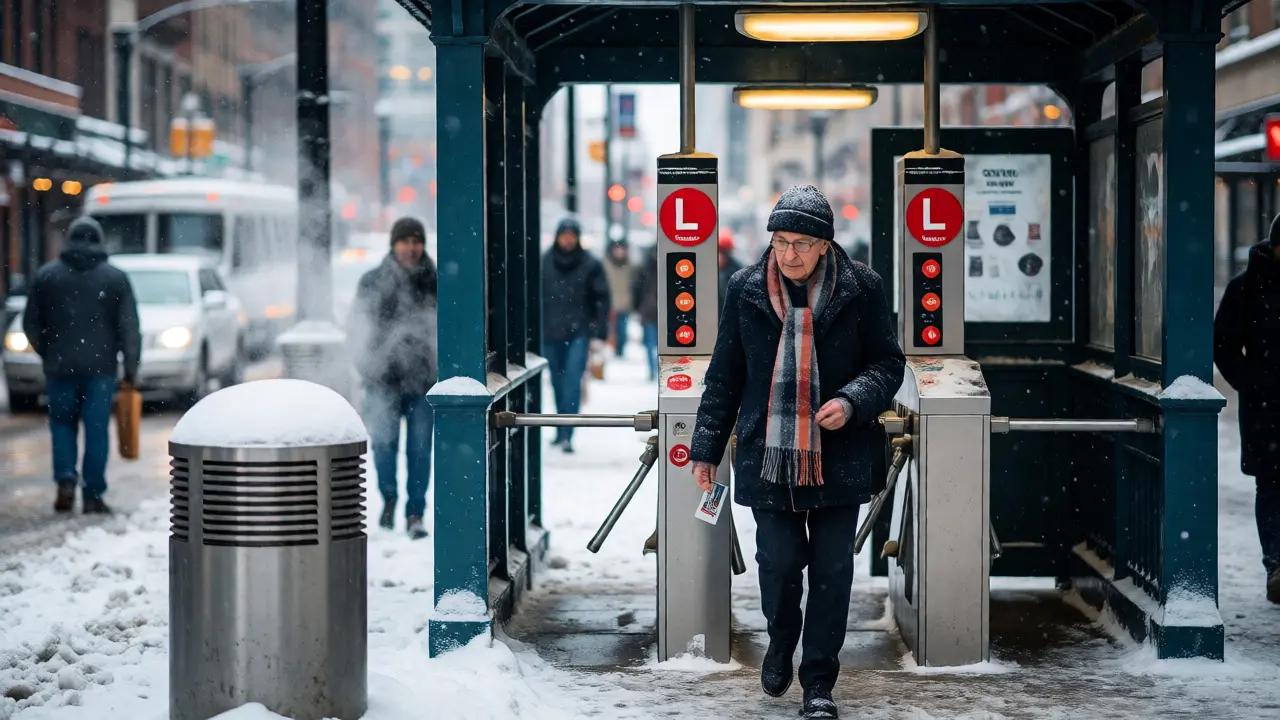
Transportation is where Chicago shines for retirees. You don’t need a car if you live near an "L" train station. The CTA fare is reasonable, especially for seniors. Riders aged 65+ pay reduced fares on buses and trains. A monthly pass for seniors costs significantly less than the standard adult rate. This saves you gas, insurance, and parking tickets. However, if you live in a suburb like Oak Park or Evanston, you might still need a car for errands, adding $200-$300 monthly to your budget.
Healthcare is another factor. Chicago has world-class hospitals like Northwestern Memorial and Rush University Medical Center. Proximity to top-tier care is a massive plus for aging in place. But Medicare premiums and supplemental insurance costs are standard nationally. Don’t forget long-term care planning. Nursing home costs in Illinois average over $100,000 annually. Living in a city gives you access to better home health aides, which can delay or prevent institutional care.
Culture and Community: The Intangible ROI
Why do people tolerate high taxes? Because the lifestyle payoff is real. Chicago offers free cultural institutions that cost hundreds elsewhere. The Art Institute of Chicago, while charging admission, offers free days for Illinois residents. The Museum Campus provides discounts for seniors. More importantly, the city’s park system is extensive. Grant Park, Millennium Park, and the lakefront trails are free and accessible via public transit.
Social isolation is a killer for retirees. Chicago neighborhoods act like small towns. Whether you join a walking group along the Lakefront Trail or volunteer at a local library, community ties are easier to form here than in sprawling suburbs. Libraries offer free tech classes, book clubs, and social events specifically for seniors. These aren’t just perks; they’re essential for mental health and cognitive engagement.
Weather is the trade-off. Winters are harsh. Wind chill can make 20°F feel like -10°F. This affects mobility and mood. Seasonal Affective Disorder (SAD) is common. Successful retirees here invest in good lighting, vitamin D supplements, and indoor hobbies. They also plan their vacations during the darkest months. If you hate cold, Chicago might drain your energy faster than it fills your bank account.

Practical Steps for Your Move
If you’re serious about moving, start with a trial run. Rent an Airbnb in your target neighborhood for two weeks in January. Not July. You need to see how you handle the dark, the wind, and the slush. Talk to neighbors. Ask them about their last property tax bill. Ask about noise levels-Chicago streets are loud, even in residential zones.
- Check your pension status: Contact your pension administrator to confirm taxability under Illinois law.
- Calculate total housing costs: Include HOA fees, property taxes, and insurance in your monthly budget, not just the mortgage.
- Test transit routes: Use the CTA app to map trips to doctors, pharmacies, and favorite restaurants.
- Apply for exemptions early: File for the Senior Freeze and Homestead Exemption immediately upon purchase.
- Budget for winter gear: High-quality boots, coats, and indoor entertainment subscriptions add up.
Consider the "Snowbird" hybrid model. Some retirees keep a base in Chicago for summer festivals and fall foliage, then spend winters in warmer climates. This requires managing two residences but optimizes quality of life. Alternatively, look at nearby suburbs like Naperville or Schaumburg. They offer similar amenities with slightly lower crime rates and potentially lower property taxes, though commute times increase.
Frequently Asked Questions
Does Illinois tax Social Security benefits for retirees?
No, Illinois does not tax Social Security benefits. This applies to both federal and state income tax calculations, making it attractive for those relying primarily on SSA income.
Are private pensions taxed in Chicago?
Yes, most private pension distributions are subject to Illinois' flat 4.95% income tax. However, certain public pensions (like police and fire) may be exempt. Always verify your specific pension type with a tax professional.
What is the average property tax rate in Chicago?
The effective property tax rate in Chicago typically ranges from 2.0% to 2.3% of the home's assessed value. This is among the highest in the United States, so budget accordingly.
Is public transportation viable for retirees in Chicago?
Yes, especially within the city limits. Seniors aged 65+ receive reduced fares on CTA buses and trains. Accessibility varies by station, so check for elevators and ramps before choosing a residence.
How much should I budget for winter utilities?
Expect heating costs to double or triple in winter months compared to summer. In older apartments, this could mean $150-$250 per month. Newer units with central air/heat systems tend to have more stable costs.