Key Takeaways for Chicago Drivers
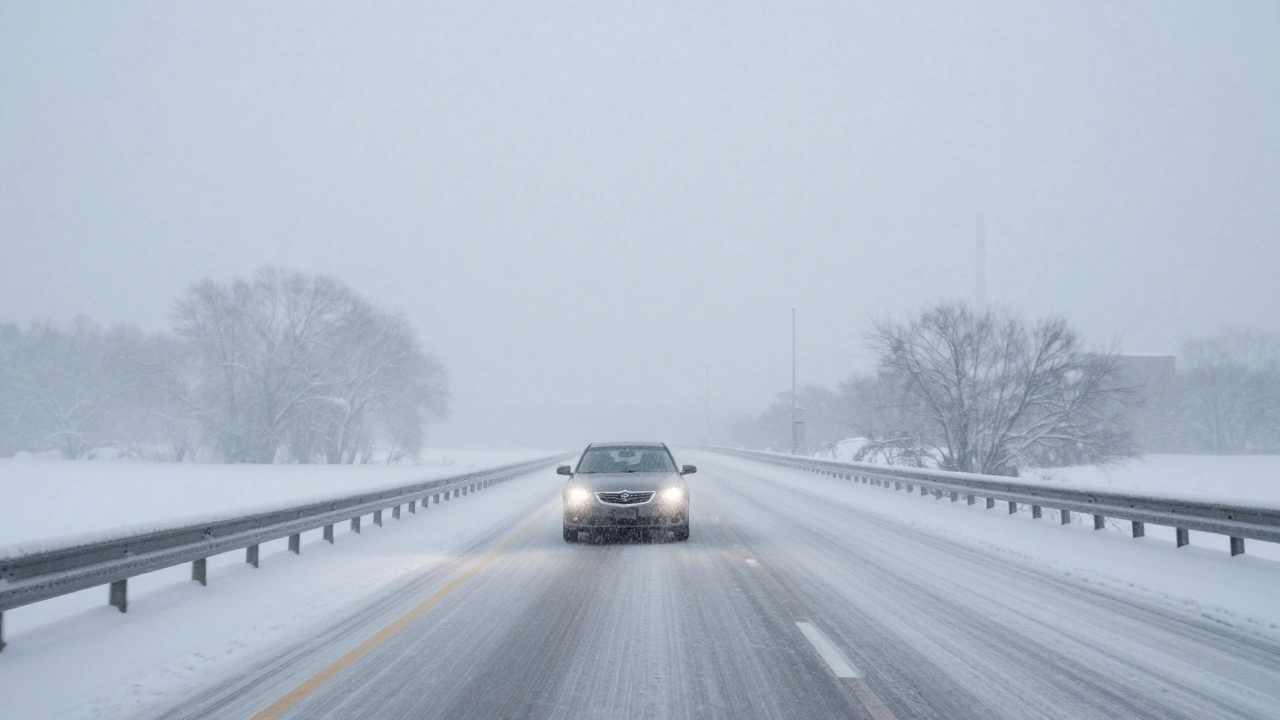
- Lake effect snow creates sudden, intense visibility drops that require immediate speed reduction.
- The "Chicago Slush" (a mix of salt, dirt, and snow) creates a slippery film that masks black ice.
- Winter tires or high-quality all-season tires are non-negotiable for navigating residential side streets.
- Knowing the city's snow removal zones can save you from a $150+ parking ticket.
The Science of the Lake Effect
To drive safely in Chicago, you first have to understand why the weather behaves so weirdly. Lake Effect Snow is a weather phenomenon where cold air moves over relatively warm lake water, picking up moisture and dumping it as heavy snow. Because Chicago sits right on the shores of Lake Michigan, the city often gets slammed while areas just a few miles inland stay dry.
This creates a dangerous scenario for drivers: you might start your drive in clear conditions, but by the time you hit the lakefront or a specific neighborhood, you're in a blinding blizzard. This localized intensity means that standard weather apps sometimes miss the mark. You have to trust your eyes more than your phone. When the sky turns a flat, heavy gray and the wind starts whipping off the water, expect the road conditions to deteriorate in seconds.
Dealing with the "Chicago Slush" and Black Ice
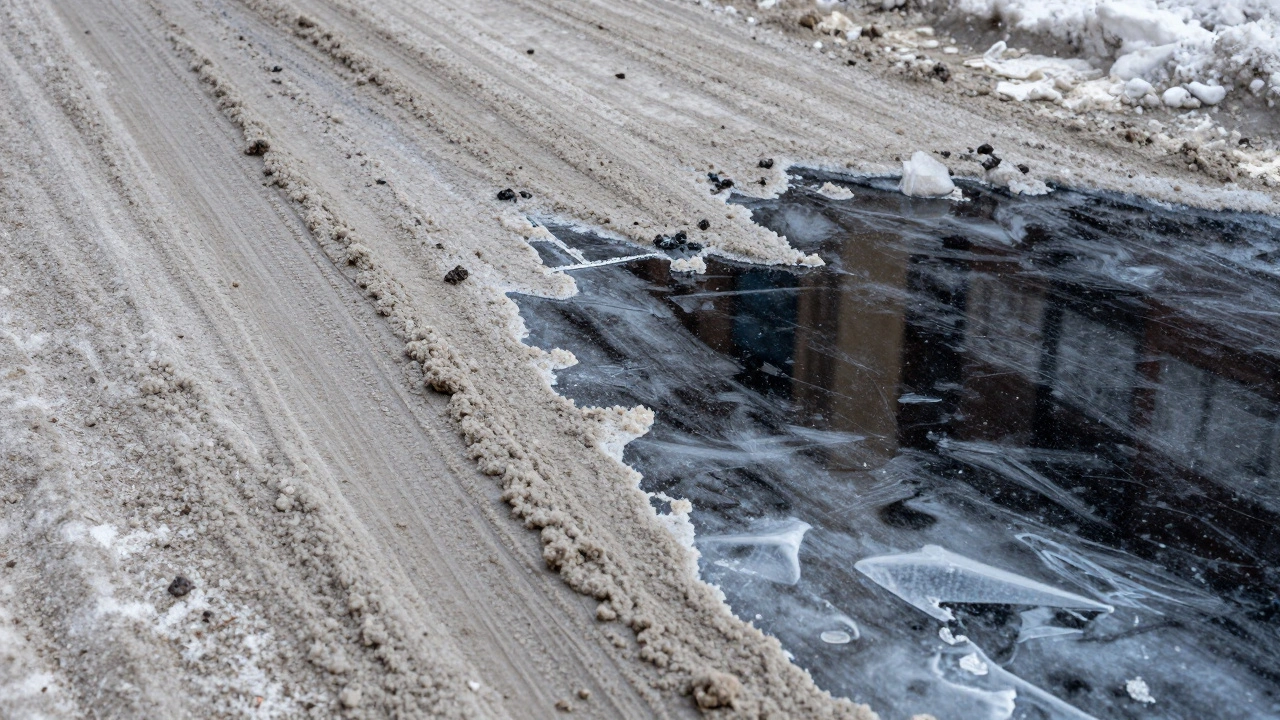
Most people worry about deep snow, but the real danger in Chicago is the residue. The city uses massive amounts of Road Salt (sodium chloride) to keep the streets passable. While salt prevents ice from bonding to the pavement, it creates a thick, grayish-brown slurry. This slush hides Black Ice, which is a thin, transparent layer of ice that looks like wet pavement.
If you see a patch of road that looks "too wet" or shiny compared to the surrounding slush, it's probably ice. To test this without losing control, gently tap your brakes. If the car doesn't respond normally, you're on a skating rink. This is why Chicago road conditions are so treacherous; the visual cues are lying to you. One minute you're cruising through slush, and the next, your tires lose all grip on a frozen bridge deck.
| Surface Type | Visual Cue | Risk Level | Best Action |
|---|---|---|---|
| Fresh Powder | White, fluffy coverage | Medium | Increase following distance |
| Gray Slush | Wet, dirty mixture | Low-Medium | Avoid sudden steering |
| Black Ice | Shiny, dark pavement | Extreme | Slow down significantly |
| Packed Snow | Hard, white surface | High | Use low gear/steady pace |
Navigating the Expressway Chaos
The Interstate Highway System in Chicago, including the I-90 and I-94, becomes a different beast during a storm. The biggest mistake drivers make is maintaining "normal" speeds because the center lanes are plowed. This creates a false sense of security. As soon as you move to a shoulder or an exit ramp, you're hitting unplowed snow that can pull your car toward the guardrail.
When you're on the expressway, avoid the "accordion effect"-where one person slams on their brakes, causing a chain reaction of stops. Instead, maintain a steady, slow pace. If you find yourself sliding, don't slam the brakes; that just locks your wheels and sends you spinning. Instead, steer into the direction of the slide and let off the gas. Most modern cars have ABS (Anti-lock Braking System), which prevents wheels from locking, but it can't overcome basic physics if you're going 70 mph on ice.
The Hidden Danger of "Snow Days" and Parking Zones
In Chicago, the danger doesn't end with the driving itself; it's also about where you leave your car. The city implements Snow Emergency Routes. These are specific streets that must be kept clear for snowplows and emergency vehicles. If you park on a designated route during a snow emergency, your car will be towed faster than you can find your keys.
Many new residents learn this the hard way. The city announces these emergencies via local news and apps. If you're caught in a storm, don't just park and hope for the best. Check the signage on your block. If you see a "No Parking: Snow Emergency" sign, move your vehicle immediately. There's nothing more stressful than returning from a trip to find your car is in a municipal impound lot across town.
Essential Gear for the Windy City Winter
You can't tackle a Chicago winter with just a basic sedan and a prayer. Your equipment needs to match the environment. While all-season tires are okay for light rain, they harden in temperatures below 45°F, losing their grip. Dedicated winter tires made of softer rubber compounds stay flexible and bite into the ice.
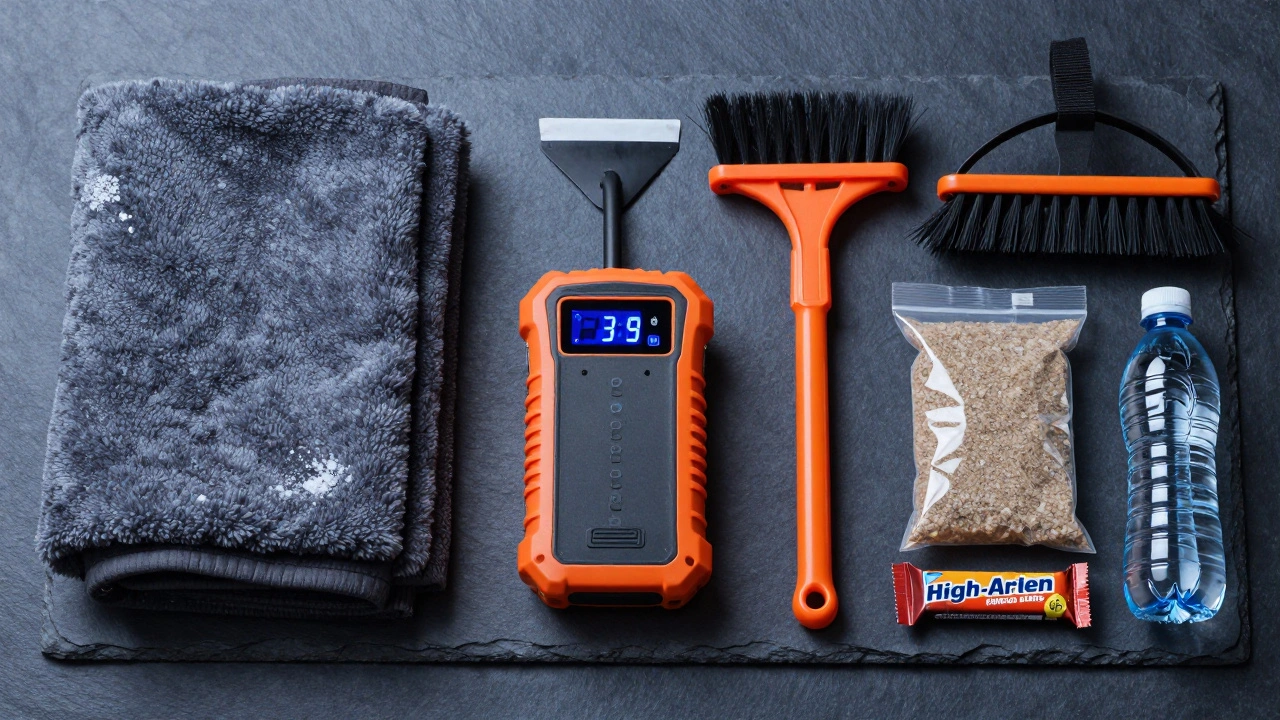
Beyond tires, keep a "winter kit" in your trunk. This isn't just for show; it's for survival. If you get stuck in a jam on the Dan Ryan Expressway for three hours, you need:
- A heavy wool blanket or a sleeping bag.
- A portable jump starter (batteries die significantly faster in the cold).
- A sturdy ice scraper and a snow brush.
- Sand or kitty litter for traction if you're stuck in a snowbank.
- High-calorie snacks and water.
Tips for Low-Visibility Driving
When the lake effect hits, visibility can drop to near zero. This is called a "whiteout." In these moments, the white lines on the road disappear, and you lose your sense of direction. The best move is to slow down and follow the taillights of the car in front of you-but keep a huge gap. If you can't see the car in front, you're going too fast.
Avoid using high beams during a snowstorm. The light reflects off the snowflakes and creates a blinding glare, making it harder for you to see. Instead, use your low beams and fog lights. If you truly cannot see where you are going, the safest option is to pull completely off the road, turn on your hazard lights, and wait for the band of snow to pass. Many lake effect squalls are intense but short-lived; waiting ten minutes can save you from a collision.
How do I know if there is black ice on the road?
Black ice often looks like a wet or shiny patch of pavement, especially on bridges or in shaded areas. If you see a spot that looks "too dark" compared to the surrounding slush or dry pavement, treat it as ice. You can test it by gently tapping your brakes; if the car doesn't decelerate normally, you are on ice.
What are Chicago's snow emergency routes?
Snow emergency routes are primary streets designated by the city to remain clear for plowing and emergency services. Parking on these routes during a declared snow emergency is illegal and will result in your vehicle being towed. These are marked by specific signs on the street corners.
Should I use sand or salt on my driveway?
Salt is used to melt ice by lowering the freezing point of water. Sand, on the other hand, does not melt ice but provides traction so you don't slip. For the best results, use salt first to remove the ice, then sprinkle sand on any remaining slippery spots for extra grip.
What should I do if my car starts to skid?
The most important rule is to avoid slamming on the brakes, as this locks the wheels and removes all steering control. Instead, steer in the direction the back of the car is sliding. Gently apply the brakes if you have ABS, and avoid any sudden, jerky movements of the steering wheel.
Do all-season tires work in Chicago winters?
All-season tires are a compromise designed for a variety of conditions, but they aren't ideal for extreme cold. Once temperatures drop below 45°F, the rubber in all-season tires hardens, reducing grip. For the safest experience in Chicago's lake effect snow and ice, dedicated winter tires are highly recommended.
Next Steps for a Safe Winter
If you're preparing for the coming season, start by checking your tire tread depth. Use the "penny test": insert a penny into the tread with Lincoln's head facing down. If you can see the top of his head, you need new tires. Visit a local mechanic to ensure your battery is healthy, as Chicago's sub-zero dips can kill a weak battery overnight.
For those who aren't confident in their winter driving skills, consider practicing in a large, empty parking lot. Learn how your car handles a skid and how the ABS feels under your foot before you're stuck in the middle of a highway blizzard. Finally, download the official city apps to stay updated on snow emergency declarations and towing zones.