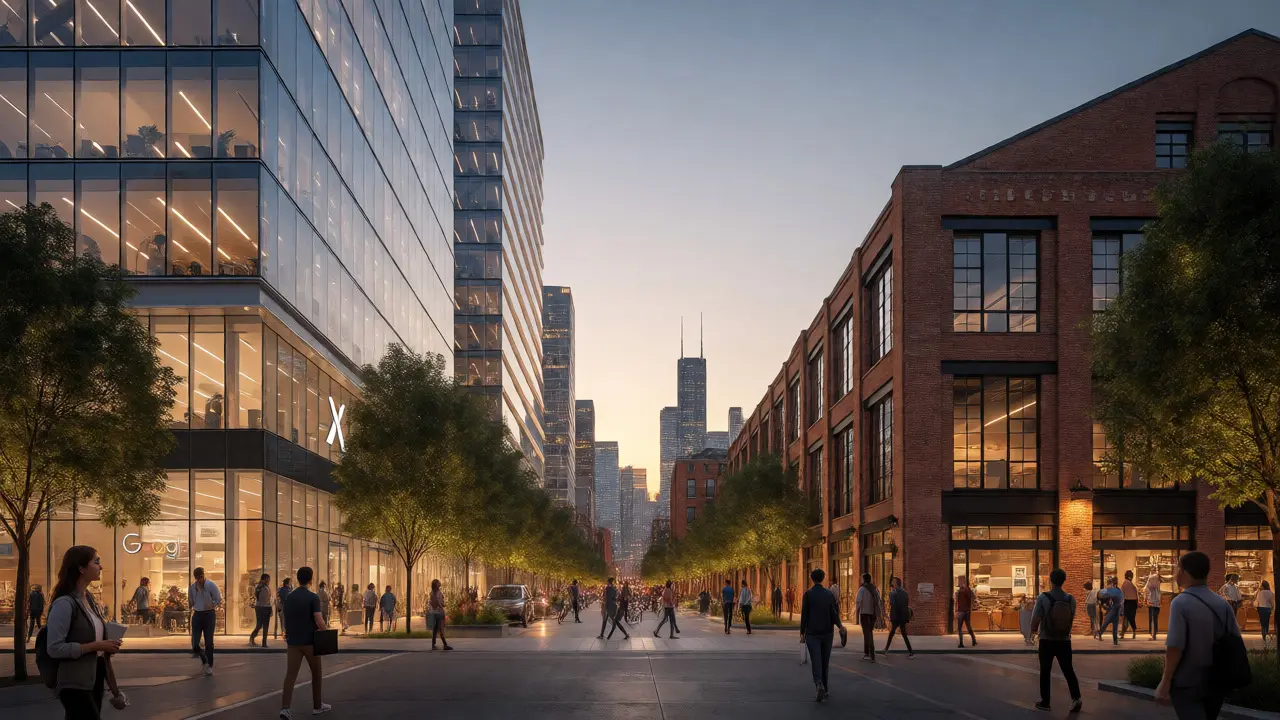
You just landed that job at a tech firm in Fulton Market or maybe you’re finally making the move from the suburbs. The first thing hitting your inbox isn’t a welcome email-it’s the panic of where to actually sleep. You’ve got rent money, but you don’t have time to drive an hour each way, and you definitely don’t want to spend your weekends stuck in traffic on I-90. Choosing a neighborhood in Chicago is less about picking the prettiest street and more about matching your commute, budget, and social life to the right zip code.
Here’s the reality: Chicago is huge. What works for a solo graphic designer in Wicker Park might be a nightmare for a couple with a dog in Lincoln Square. In 2026, the market has shifted. Remote work hybrid models are standard, so being within 30 minutes of downtown matters more than ever. But "downtown" doesn't just mean the Loop anymore. Let’s break down the neighborhoods that actually make sense for your career and sanity this year.
The Quick Verdict: Where Should You Look?
If you want the short answer before we get into the weeds, here is the cheat sheet based on current trends and infrastructure updates in 2026:
- For the Tech Crowd: West Loop/Fulton Market. It’s expensive, it’s loud, but it’s where the jobs are.
- For Creatives & Nightlife: Wicker Park/Bucktown. Still the cultural heartbeat, though rents have climbed.
- For Value & Community: Avondale or Logan Square. Great food scenes, better prices, and easy L access.
- For Quiet Professionalism: Lakeview. Classic, safe, walkable, and close enough to the North Side business districts.
- For Up-and-Coming Grit: Pilsen. Art-focused, rapidly gentrifying, and cheaper than its neighbors.
West Loop and Fulton Market: The Corporate Hub
If you work in finance, tech, or media, West Loop is likely your first stop. Why? Because the office parks aren’t just in the Loop anymore; they’ve spilled west. Companies like Google, Twitter (now X), and various fintech startups have anchored themselves around Fulton Market. Living here means you can walk to work, which sounds trivial until you realize how many hours you save not sitting on the Blue Line.
The trade-off is cost and vibe. It’s polished. Too polished, some say. You’ll see people in Patagonia vests carrying laptops everywhere. The nightlife is high-end-think $18 cocktails and reservations required for dinner. If you’re new to Chicago and want to network aggressively, this is the place. You’re surrounded by other ambitious people. But if you hate feeling like you’re in a corporate campus, you might feel sterile here. Rents for a one-bedroom average between $2,400 and $3,200 depending on amenities. Yes, it hurts. But factor in the Uber savings and the time reclaimed, and it starts to make sense for high-earners.
Wicker Park and Bucktown: The Creative Core
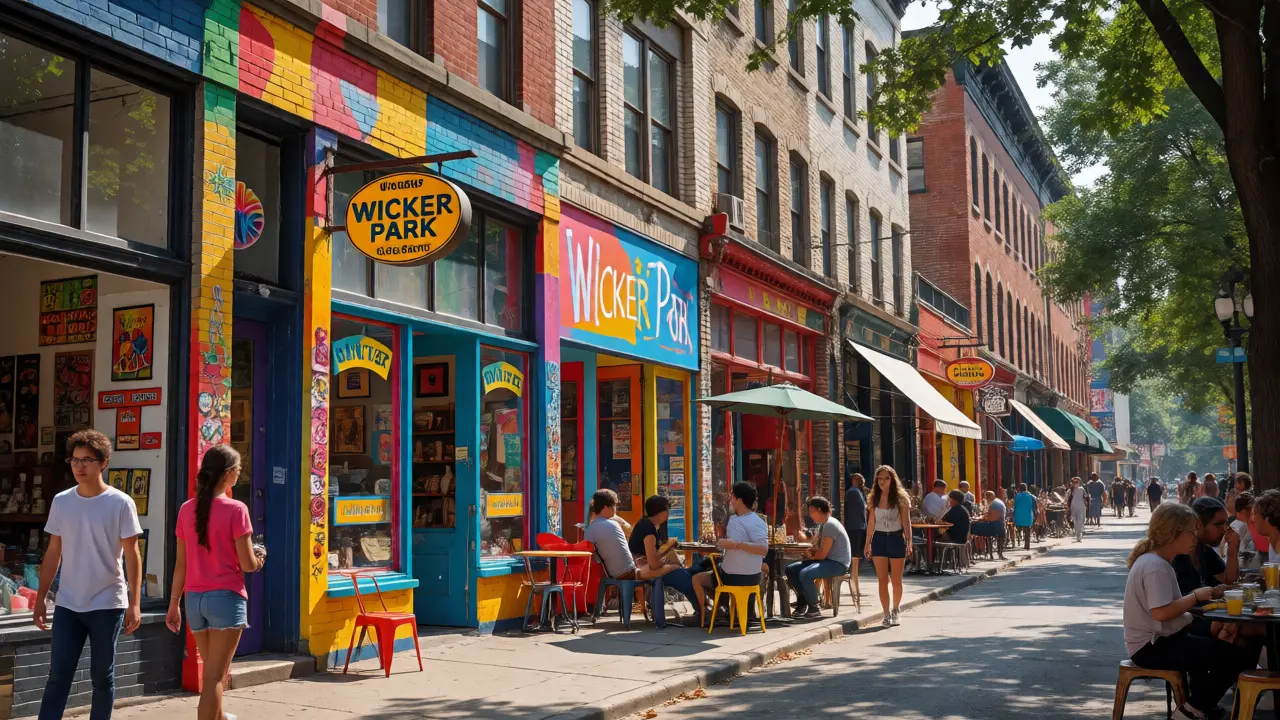
Move north on Milwaukee Avenue, and the energy changes. Wicker Park remains the go-to for designers, marketers, and anyone who values indie culture over corporate polish. The area has matured since the early 2010s boom. It’s no longer just dive bars and thrift stores; it’s mixed-use developments with high-end grocery stores and boutique fitness studios.
The commute is manageable via the Blue Line or Brown Line, but it’s not as seamless as West Loop if your office is south. However, the social capital here is unmatched. Weekends revolve around outdoor markets, gallery openings, and brunch spots that stay open late. Bucktown, adjacent to Wicker, offers a slightly quieter residential feel while keeping you steps away from the action. Rent is high, often rivaling West Loop, but you’re paying for a lifestyle that feels authentic rather than manufactured. If you need inspiration and community, this is it. If you need silence and cheap parking, look elsewhere.
Logan Square and Avondale: The Smart Money Moves
Not everyone wants to pay premium prices for proximity. For many young professionals, Logan Square and Avondale offer the best balance of price, personality, and access. These neighborhoods are further north-west, meaning a 35-45 minute commute during rush hour. But with the expansion of remote work, that commute happens less often.
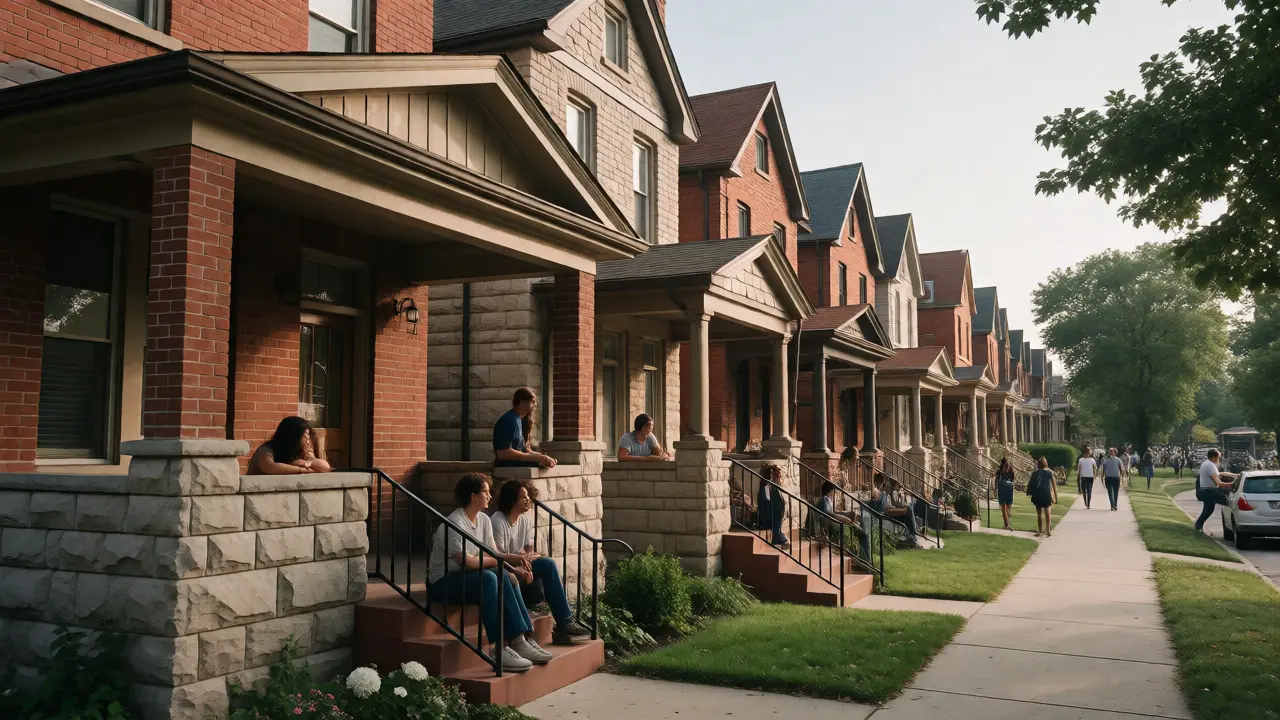
Logan Square has exploded in popularity. The square itself hosts farmers' markets and festivals that draw crowds from across the city. The housing stock is older-brick bungalows and greystones-but characterful. Avondale, just west of Logan, is quieter and retains a strong Polish heritage alongside a growing Latino community. It’s more affordable, with one-bedrooms hovering around $1,600-$2,000. The downside? Public transit options are fewer. You might need a car or rely heavily on rideshares for evening outings. But if you value space and a tight-knit community feel, these areas deliver without breaking the bank.
Lakeview: The Safe Bet
Sometimes you just want things to work. Lakeview is the quintessential young professional neighborhood for those who prioritize safety, cleanliness, and convenience. Located along the lakefront, it’s home to Wrigley Field, which brings massive foot traffic on game days, but otherwise, it’s calm. The Red Line cuts through it, providing direct access to the Loop and the University of Chicago area.
This is ideal for lawyers, healthcare workers, and educators working on the North Side. The restaurants are reliable, the sidewalks are well-maintained, and crime rates are generally lower than in more central areas. It lacks the edgy cool of Wicker Park, but it makes up for it with predictability. If you’re planning to stay in Chicago for five years or more, Lakeview offers stability. Rents are moderate, averaging $2,000-$2,500 for a modern unit. It’s not exciting, but it’s comfortable. And sometimes, comfort is exactly what you need after a long week.
Pilsen: The Cultural Frontier
Down on the South-West side, Pilsen is undergoing a transformation that’s both exciting and controversial. Known for its vibrant murals and Mexican-American heritage, Pilsen has become a magnet for artists and young professionals seeking affordability and authenticity. The Pink Line provides a direct link to the Loop, making the commute surprisingly quick-often under 20 minutes.
The scene here is electric. New breweries, art galleries, and taquerias open every month. It’s cheaper than the North Side, with rents starting around $1,400 for decent units. But gentrification is rapid. Long-time residents are being priced out, and construction cranes dot the skyline. If you move here, be mindful of your impact. Engage with the local community. Don’t just consume the culture; respect it. It’s a neighborhood with soul, but that soul is fragile. For those who want to be part of history-in-the-making, Pilsen is compelling.
Comparison: Cost vs. Commute vs. Vibe
To help you decide, here’s a breakdown of key factors for each neighborhood based on 2026 data estimates.
| Neighborhood | Avg. 1BR Rent | Commute to Loop | Vibe | Best For |
|---|---|---|---|---|
| West Loop | $2,400 - $3,200 | Walk / 10 min | Corporate, Polished | Tech/Finance Workers |
| Wicker Park | $2,200 - $2,900 | 25-35 min | Creative, Energetic | Designers, Marketers |
| Logan Square | $1,700 - $2,200 | 35-45 min | Hipster, Community | Remote/Hybrid Workers |
| Lakeview | $2,000 - $2,500 | 20-30 min | Classic, Safe | North Side Professionals |
| Pilsen | $1,400 - $1,900 | 20-25 min | Artistic, Authentic | Artists, Budget-Conscious |
Practical Tips for Your Search
Don’t just look at listings online. Visit the neighborhood at different times. A street that looks charming at 2 PM might be noisy and crowded at 8 PM. Check the CTA app for real-time delays. Some lines run frequently; others don’t. Know the difference.
Consider roommates. Sharing costs allows you to live in a pricier, more convenient area like West Loop or Wicker Park without sacrificing quality of life. Many young professionals opt for a shared two-bedroom in a great location over a solo studio in a mediocre one.
Finally, think about future-proofing. Are there planned transit expansions? Is the neighborhood seeing new commercial development? Areas near the new Red Line extensions or major bike lane projects tend to hold value better. Talk to locals. Ask them what they’d change. Their insights are worth more than any realtor’s brochure.
Is it safe to use public transit in Chicago at night?
Generally, yes, especially on main lines like the Red, Blue, and Brown Lines during peak and shoulder hours. However, safety varies by station and time. Avoid isolated stops late at night, stick to well-lit areas, and trust your instincts. Apps like Transit Tracker can help you plan routes with higher foot traffic.
Which Chicago neighborhood has the best internet infrastructure for remote work?
West Loop and parts of the Loop have seen significant fiber optic upgrades due to the tech hub presence. Providers like RCN and Comcast Fiber are widely available in newer buildings. Older historic homes in Logan Square or Pilsen may require checking specific building capabilities, as infrastructure can vary block by block.
How much should I budget for utilities in Chicago apartments?
Budget $150-$250 per month for electricity, gas, and water for a one-bedroom. Winter months (December-March) will spike this due to heating costs. Summer AC usage also adds up. Some leases include heat or water, so always read the fine print. Internet usually runs $60-$80 for high-speed fiber plans.
Are pets allowed in most Chicago rentals?
Yes, pet-friendly policies are common, especially in newer developments. Expect a monthly pet rent ($25-$50 per pet) and a non-refundable deposit. Breed restrictions may apply in older buildings. Always disclose pets upfront to avoid lease violations later.
What is the average salary needed to live comfortably in Chicago?
For a single person renting a one-bedroom in a desirable neighborhood, aim for a gross annual income of $75,000-$85,000. This covers rent (under 30% of income), utilities, transport, and discretionary spending. Lower incomes may require roommate situations or choosing more affordable neighborhoods like Avondale or Pilsen.