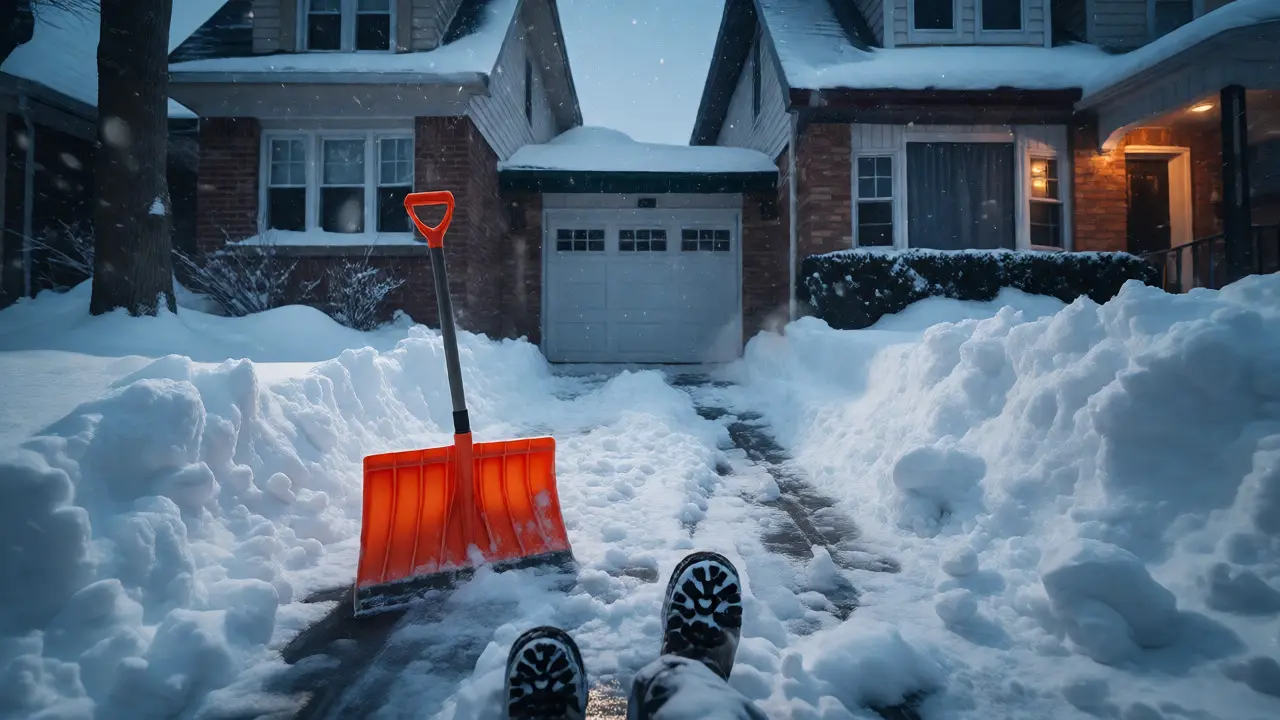
Living in Chicago means you don't just watch the weather; you negotiate with it. When the lake effect hits and the wind chill drops below zero, your driveway becomes a battlefield. You have two main weapons in this fight: the humble shovel and the roaring snowblower. Choosing the right one isn't just about convenience-it's about saving your back, your time, and your sanity during those brutal Midwest winters.
Most homeowners underestimate the physical toll of snow removal until they're three inches deep into a drift at 6 AM on a Tuesday. This guide breaks down exactly how to handle Chicago's specific snow profile, from choosing the right equipment to mastering the technique that keeps you out of the emergency room.
Key Takeaways for Chicago Winter Prep
- Match the tool to the snow type: Use a shovel for light powder or tight spaces; use a two-stage snowblower for wet, heavy lake-effect snow.
- Timing is everything: Clear snow before it compacts or freezes. Waiting until the next morning often doubles the effort.
- Ergonomics save backs: Push, don't lift. If you must lift, keep the load under 50 pounds and pivot with your feet, not your spine.
- Maintenance prevents breakdowns: A clogged chute or stale fuel is the number one reason snowblowers fail mid-storm.
- Community rules matter: Chicago ordinances require property owners to clear sidewalks within specific timeframes after snowfall ends.
The Reality of Chicago Snow: Why It’s Different
If you've moved here from somewhere else, you might think snow is snow. It isn't. Lake Michigan creates a microclimate that produces dense, wet snow that clings to surfaces like concrete glue. Unlike the dry, powdery stuff you see in the Rockies, Chicago snow has high water content. This makes it significantly heavier per cubic foot.
A single inch of wet Chicago snow can weigh over 1.5 times more than dry snow. Multiply that by a standard two-car driveway (roughly 400 square feet), and a four-inch storm puts nearly 3,000 pounds of material on your property. That’s why a generic "snow shovel" advice doesn't always work here. You need tools built for weight and volume, not just depth.
| Snow Condition | Weight Factor | Best Tool | Why? |
|---|---|---|---|
| Fresh Powder (<2") | Low | Pusher Shovel | Fast, low fatigue, no engine needed. |
| Wet/Lake Effect (2-6") | High | Two-Stage Snowblower | Handles density without jamming augers. |
| Packed Ice/Ruts | Extreme | Ice Chopper + Salt | Shovels bounce off; blowers struggle. |
| Wind Drifts (>8") | Variable | Three-Stage Blower | Accelerator impeller clears heavy piles fast. |
Shoveling: The Art of Saving Your Spine
For many Chicagoans, especially those with narrow alleys or historic bungalows where a machine won't fit, the shovel remains king. But most people shovel wrong. They bend at the waist, scoop up a massive pile, and twist their torso to throw it. This is a recipe for a herniated disc.
Here is the technique that actually works:
- Use the Right Shovel: Ditch the metal-edged ice scraper for general clearing. Get a plastic-blade shovel with an ergonomic grip. Metal edges chip pavement and add unnecessary weight. For pushing, look for a wide blade (24+ inches) with a curved edge that slides under snow rather than digging into it.
- Push First, Lift Last: Treat your driveway like a plow. Walk behind the shovel, pushing the snow forward. Only lift when you hit a curb or a wall. If you must lift, fill the shovel only halfway. A half-full shovel is easier to control and less likely to strain your lower back.
- Pivot, Don't Twist: When throwing snow, move your feet. Face the direction you want to throw. Twisting your spine while holding a heavy load puts torque on your lumbar discs that they aren't designed to handle.
- Layering Strategy: If you have six inches of snow, don't try to remove it all at once. Remove the top three inches, then go back for the bottom layer. Two thin layers are faster and safer than one thick one.
Also, consider your footwear. Cleats or boots with aggressive tread are non-negotiable. Slipping while holding a shovel full of snow is how accidents happen. Invest in a pair of rubber-soled boots with good ankle support before the first flake falls.
Snowblowers: Choosing the Right Machine for Chicago
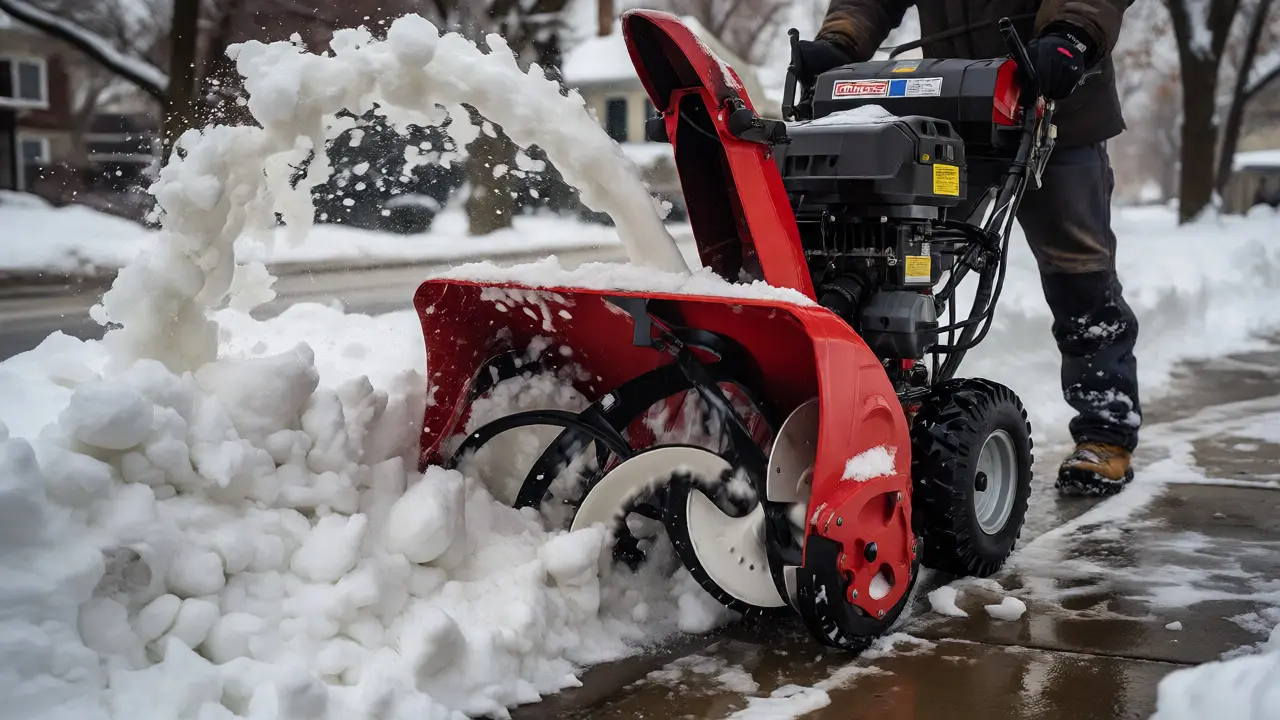
If you have a driveway longer than 30 feet or a sidewalk facing the street, a snowblower is worth every penny. But buying the wrong one is frustrating. In Chicago, you generally need more power than you think because of the wet snow factor.
Single-Stage vs. Two-Stage vs. Three-Stage
Single-stage snowblowers use a rubber paddle to collect and throw snow. They are lightweight and cheap, but they struggle with anything deeper than four inches or any snow that has started to melt and refreeze. If you live in a condo with a small patio, this might suffice. For a typical Chicago homeowner? Probably not.
Two-stage snowblowers are the sweet spot for most suburbs. They have a separate auger to break up snow and an impeller to throw it. This separation allows them to handle deeper, heavier snow without bogging down. Look for models with at least 250cc engines if you get regular lake-effect storms.
Three-stage snowblowers add an accelerator impeller that chews through hard-packed snow and ice ruts much faster. They are expensive, but if you hate stopping to clear jams, they are a luxury worth considering. Brands like Toro and Ariens dominate this space with reliable local service networks.
Gas vs. Electric/Battery
Gas blowers still rule for raw power and range. However, battery technology has improved dramatically. Modern 60V or 80V battery systems can now clear a standard suburban driveway twice on a single charge. The advantage? No pulling cords, no mixing gas, and instant start-up. If you have a smaller driveway and access to an outlet, a corded electric model is quiet and maintenance-free. Just remember: extension cords freeze and crack in Chicago cold. Use outdoor-rated cords and keep them short.
Pre-Storing and Maintenance: Don’t Let It Fail Mid-Storm
There is nothing worse than realizing your snowblower won't start at 7 AM when you have to leave for work. Most failures are preventable with pre-season prep.
- Fuel Stabilizer: Gasoline goes bad in 30 days. Add a stabilizer to your tank before storing it for summer. Before the season starts, drain old fuel and replace it with fresh, stabilized gas.
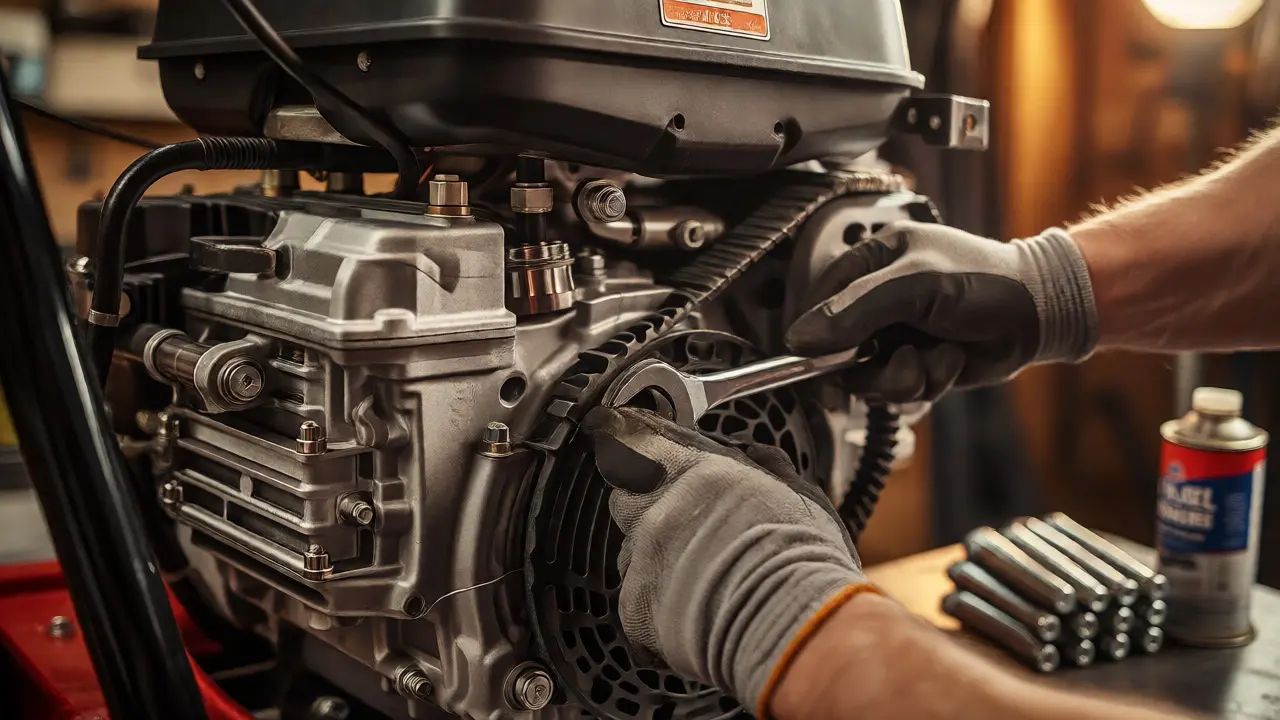
- Belt Inspection: Drive belts wear out. Check them for cracks or glazing. A snapped belt mid-driveway leaves you stranded. Keep a spare belt in your garage.
- Shear Pins: These are the safety fuses of your auger. If you hit a rock or a hidden curb, the pin shears off instead of breaking the gearbox. Buy a box of replacement pins. They cost pennies but save hours of frustration.
- Lubricate Moving Parts: Grease the auger bearings and chute rotation gears. Cold stiffens grease, so doing this while the machine is warm helps it penetrate.
During the season, keep your blower clean. Wet snow turns to ice inside the chute if left overnight. After each use, run the blower empty for a minute to clear residual snow, then scrape out any buildup. An icy chute reduces throwing distance and increases strain on the motor.
Navigating Chicago Snow Ordinances and Etiquette
You aren't just clearing snow for yourself; you're part of a community obligation. Chicago Municipal Code requires property owners to clear sidewalks adjacent to their property within a certain timeframe after snowfall ceases. While enforcement varies by neighborhood, ignoring it can lead to fines, especially if someone slips and sues.
Where do you put the snow? This is the biggest point of neighborly contention. Do not push snow into the street unless you have nowhere else to put it. Plows will come through eventually, but pushing snow into the travel lane narrows roads and creates hazards for cyclists and cars. Ideally, pile snow on your lawn or designated yard area. If you have a corner lot, be mindful of sightlines for drivers turning onto your street.
Also, respect your neighbors' driveways. If you operate a large commercial-style blower, avoid blowing snow directly into a neighbor's freshly cleared walkway. It’s a small courtesy that pays dividends when you need help later.
When to Call for Help
Even with the best gear, some storms are too much. If you experience chest pain, extreme shortness of breath, or dizziness while shoveling, stop immediately. Cardiac events spike during snow removal due to the combination of exertion and cold air constriction.
Hiring a professional is also smart if you have medical conditions affecting mobility or balance. Many local landscaping companies offer seasonal contracts that include salting and plowing. While it costs money upfront, it eliminates the risk of injury and the hassle of equipment maintenance. Compare quotes early in the fall, as prices rise once the first major storm hits.
How soon should I shovel after it stops snowing?
Ideally, immediately. Once snow stops falling, it begins to compact from traffic and freeze due to dropping temperatures. Shoveling within an hour of the storm ending prevents the snow from becoming icy and difficult to remove. If you wait until the next day, you may need to chip away at frozen layers, which takes twice as long.
Is a gas or electric snowblower better for Chicago winters?
For most Chicago homeowners, a gas two-stage snowblower is recommended due to the heavy, wet lake-effect snow. Electric models are quieter and easier to maintain but may struggle with deep drifts or prolonged storms. If you have a small driveway and mild winters, a high-end battery model works well, but ensure it has sufficient runtime for your specific square footage.
What is the safest way to shovel snow?
Push the snow whenever possible rather than lifting it. When lifting is necessary, bend your knees, keep your back straight, and lift with your legs. Avoid twisting your spine while carrying a load; instead, pivot your feet. Wear proper footwear with good traction to prevent slips, and stay hydrated despite the cold.
Do I need to salt my driveway before it snows?
Yes, pre-treating with calcium chloride or a similar de-icer before the storm starts helps prevent snow from bonding to the pavement. This makes shoveling or blowing much easier. Apply a light coat evenly across the surface. Avoid using rock salt (sodium chloride) on new concrete or pavers, as it can cause spalling and damage.
How do I store my snowblower for the summer?
First, clean all snow and ice from the machine. Change the oil and filter. Drain the fuel tank or add a fuel stabilizer and run the engine until it runs dry to prevent carburetor gumming. Lubricate all moving parts and check belts for wear. Store the blower in a dry place, covered with a breathable tarp to protect it from dust and moisture.