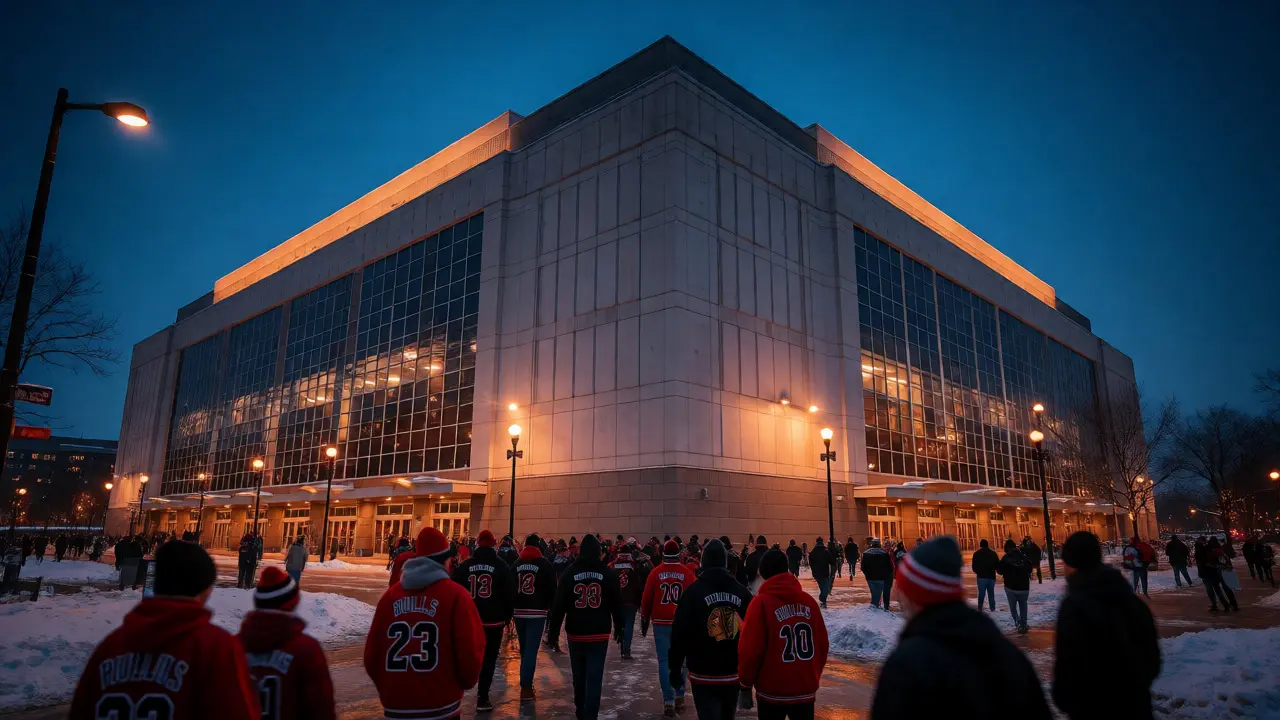
You’ve got tickets. Maybe it’s for a United Center game against the Celtics, or perhaps you’re there to see Taylor Swift destroy the arena with her vocals. Either way, you are about to step into one of the most iconic venues in American sports history. But here is the thing: this place is massive. With over 20,000 seats and a labyrinth of concourses, it can swallow you whole if you don’t know where you’re going.
I’ve been to dozens of events at the United Center since it opened its doors in 1994. I’ve navigated the traffic on Madison Street during rush hour, figured out which bar has the best pretzels (spoiler: it’s not the closest one), and learned exactly when to arrive so you aren’t stuck in security lines while the first period starts. This guide cuts through the noise. We aren’t just listing facts; we are giving you the tactical playbook for surviving and enjoying your night in Chicago’s West Loop neighborhood.
The Legacy Behind the Walls
United Center is a multi-purpose indoor arena located in the Near West Side community area of Chicago, Illinois. It serves as the home arena for the National Basketball Association's Chicago Bulls and the National Hockey League's Chicago Blackhawks. Opened in 1994, it replaced the aging Chicago Stadium. The design was intentional. Jerry Reinsdorf, the owner of both teams, wanted a venue that felt intimate despite its size. He succeeded. The steep seating angles mean you feel close to the action, whether you are in row 5 or row 30.
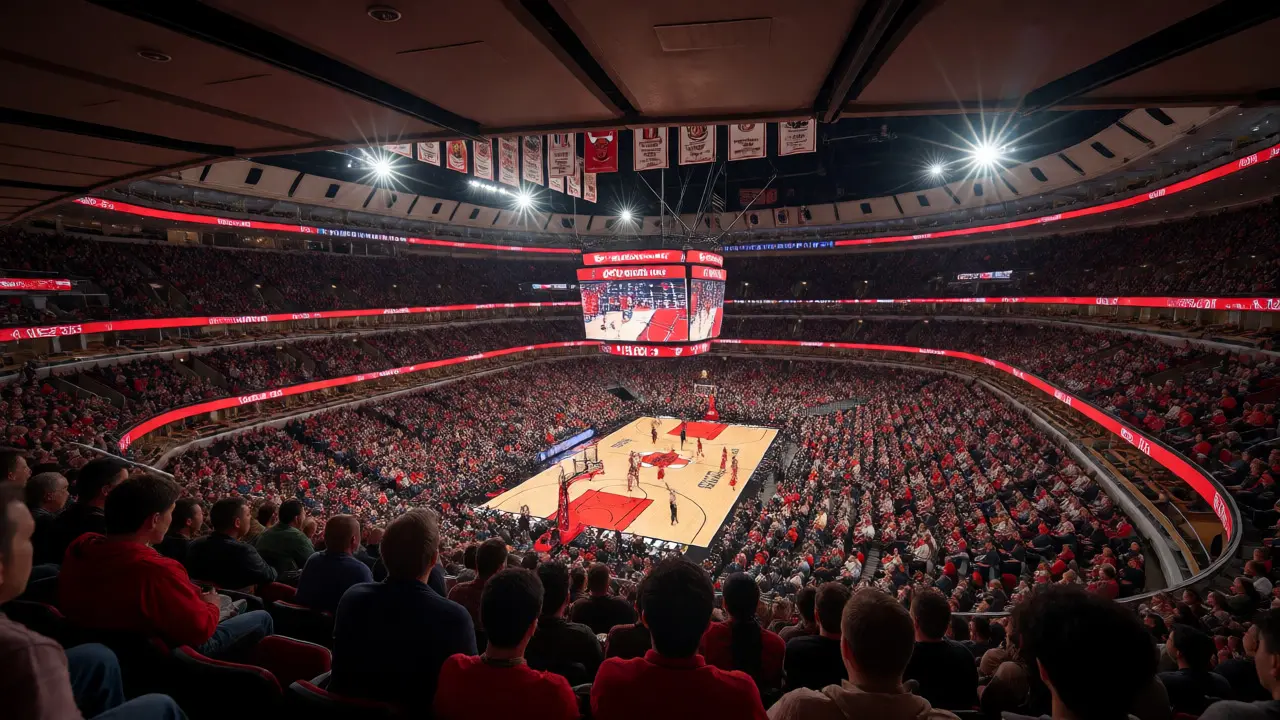
Why does this matter? Because atmosphere drives experience. When the Bulls hit a three-pointer, the noise level hits 118 decibels. That isn’t just marketing fluff; it’s a physical sensation. The architecture traps sound, amplifying the crowd energy. If you are a concertgoer, you need to know this because acoustics vary wildly by seat location. Floor seats might be too loud for sensitive ears, while upper deck corners can suffer from echo. Knowing the building’s DNA helps you pick your spot before you even buy tickets.
Getting There Without Losing Your Mind
Let’s address the elephant in the room: parking. If you drive, do not underestimate the logistics. The official lots fill up fast. If you arrive less than an hour before tip-off, you will likely end up circling blocks for twenty minutes, burning gas and patience.
- Official Lots: These are the closest options but come with premium pricing. Expect to pay $40-$60 depending on the event type. A Bulls playoff game costs more than a regular season Tuesday night matchup.
- Third-Party Apps: Services like SpotHero often have better rates for nearby garages. Book ahead. Walking ten minutes beats driving around for thirty.
- Public Transit: The CTA Blue Line stops at the Western station, just two blocks away. This is the smartest move for locals. No traffic, no parking fees, and you avoid the post-game gridlock on Ashland Avenue.
If you take the train, give yourself extra time. The walk from the station involves crossing major streets, and pedestrian flow gets intense right before doors open. If you are coming from downtown, allow 45 minutes total travel time. Rush hour traffic in Chicago is unpredictable, especially near the Kennedy Expressway interchanges.
Navigating Security and Entry
Security protocols tightened significantly after 2017. You cannot bring bags larger than 14" x 14" x 6". Clear bag policies are strictly enforced. If you show up with a bulky backpack, you will be turned away or forced to check it, which adds fifteen minutes to your entry time.
- Have Tickets Ready: Have your phone charged. Screenshots of mobile tickets work offline, but double-check them before leaving the house.
- Empty Pockets: Keys, coins, and phones go in the bins. Metal detectors beep constantly if you leave metal objects in pockets.
- Gate Selection: Look at your ticket carefully. Gates are numbered and located on specific sides of the building. Entering the wrong gate means walking halfway around the exterior structure. Do not assume all gates are open; some are staffed only for premium seating or ADA access.
A pro tip: arrive 90 minutes early for big events. Not because you need to find your seat, but because the pre-game ritual is part of the culture. Watching the warm-ups, feeling the bass from the DJ, and grabbing a drink without a line sets the tone for the night.
Food, Drink, and Where to Spend Your Money
Arena food is notoriously expensive and mediocre, but United Center has made strides. You still shouldn’t expect Michelin stars, but you can eat decently if you know what to order.
| Item | Estimated Cost | Verdict |
|---|---|---|
| Cheese Pizza Slice | $8.50 | Safe bet. Consistent quality across vendors. |
| Bulls Dog | $12.00 | Overpriced. Get it once for the photo, skip it for taste. |
| Pretzel Bites | $9.00 | Surprisingly good. Best value snack in the building. |
| Draft Beer (Local) | $14.00 | Standard arena price. Try Goose Island IPA if available. |
| Chicken Tenders | $15.00 | Decent portion. Good for sharing. |
Hydration is key. Chicago winters are dry, and the heating system inside the arena dries you out further. Buy a water bottle ($4) and refill it at restrooms if allowed, or just budget for multiple drinks. Alcohol sales stop after the third period in hockey games and late in basketball games. Plan accordingly if you want a nightcap.
Seating Strategy: Where Should You Sit?
Choosing seats depends entirely on what you value: sightlines, proximity, or budget. Here is how the sections break down:
- Floor: Premium pricing. Great for concerts where stage production matters. For sports, you might be behind a barrier or too close to see the full court/ice. Noise levels are highest here.
- Lower Bowl (Sections 100-200): The sweet spot. Unobstructed views, reasonable distance from the action. Sections directly behind the basket (for Bulls) or center ice (for Hawks) offer the best tactical view. Avoid corners if you hate turning your head.
- Mezzanine (Sections 300-400): Often overlooked but excellent value. Steep angles provide a bird’s-eye view of player positioning. Great for seeing plays develop. Prices drop significantly compared to lower bowl.
- Upper Deck (Sections 500+): Cheapest option. Views are distant. Binoculars help. Atmosphere is lively because fans here are usually die-hards trying to make their voices heard. Good for families on a budget.
For concerts, avoid seats directly under the scoreboard if possible. Video screens block the view of the stage setup. Also, check for "restricted view" warnings on ticket sites. Sometimes a pillar or railing obstructs the left side of the stage. Read the fine print.
Concert Specifics vs. Sports Events
The vibe shifts dramatically between a hockey game and a pop concert. At a Blackhawks game, fans stand during fights and goals. It’s aggressive, fast-paced, and loud. At a Bulls game, the energy builds slowly, peaking during dunks and three-pointers.
Concerts are different. Setup takes hours. Doors may open later than advertised. Merchandise lines are longer and slower. If you are buying merch, go early. By the second song, the line wraps around the concourse. Also, note that floor seating configurations change per artist. Some use general admission pit areas, others have reserved rows. Check the specific event map on the ticket vendor site, not just the generic arena map.
One critical difference: exit strategy. After a sports game, everyone leaves at once. Traffic jams form instantly. After a concert, exits are staggered as bands play encores or encore breaks. You can wait out the initial surge. Use apps like Waze to monitor real-time traffic conditions on Madison and Ashland. Leaving 15 minutes after the final bow often saves you 45 minutes of sitting in bumper-to-bumper traffic.
Accessibility and Family Tips
United Center is wheelchair accessible throughout. Elevators serve all levels. If you need assistance, contact guest services ahead of time. They provide ear protection rentals for children and individuals sensitive to noise. This is crucial for hockey games, where sirens and horns are piercing.
For families, consider the "Kids Eat Free" promotions during select weekday games. Restrooms are plentiful but get crowded during halftime/third period breaks. Go during the first break, not the last. Baby changing stations are available in all restroom clusters.
How much does parking cost at United Center?
Parking prices vary by event. Regular season games typically range from $30 to $50 in official lots. Major concerts or playoff games can push prices to $60 or higher. Third-party garage options nearby often start at $20-$30 if booked in advance via apps like SpotHero.
Is there clear bag policy at United Center?
Yes. Bags must be no larger than 14" x 14" x 6". Small clutch purses (4.5" x 6.5") are allowed without inspection. Backpacks and large tote bags are prohibited unless they meet the dimension requirements. Exceptions are made for medical bags and diaper bags, which undergo additional screening.
What is the best section for watching Chicago Bulls games?
Sections 104-110 and 120-126 offer the best balance of view and price. These are lower bowl sections along the sidelines. For a premium experience, courtside seats (Sections 1-10) are unmatched but extremely expensive. Mezzanine sections 300-series offer great views of team formations at a fraction of the cost.
Can I bring outside food or drinks into United Center?
No. Outside food and beverages are generally not permitted. However, sealed plastic water bottles (up to 20 oz) are allowed. You can also bring small snacks for children if necessary, but these are subject to inspection at security checkpoints.
How early should I arrive for a concert?
Arrive at least 90 minutes before doors open. This gives you time to park, navigate security, find merchandise stands, and secure a spot near the stage if you have General Admission tickets. Lines for security grow exponentially closer to door time.
Is United Center accessible by public transportation?
Yes. The CTA Blue Line stops at the Western/Madison station, which is a short walk from the arena. The bus routes 20, 21, and 60 also service the area. Public transit is often faster and cheaper than driving, especially during peak traffic hours.