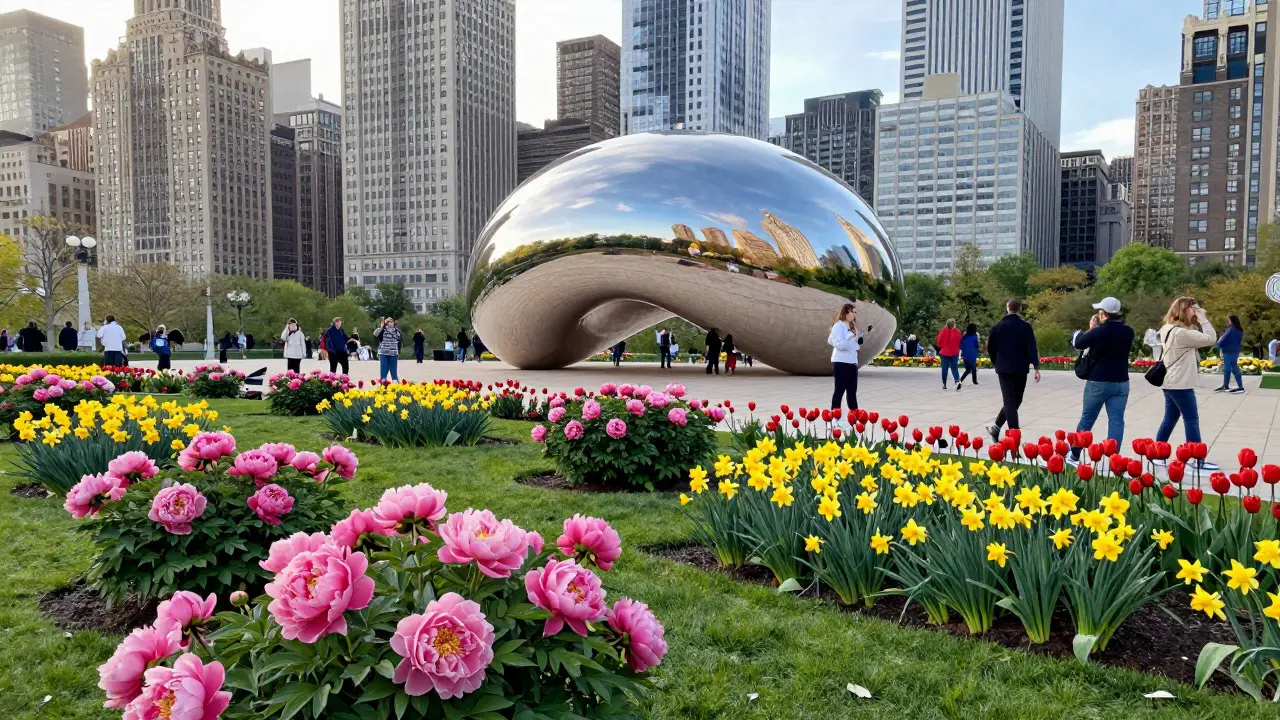
There is a specific moment in Chicago when the gray winter haze lifts, and the city suddenly turns into a canvas of color. It’s not just about the temperature rising; it’s about the rhythm of the city shifting. For locals and visitors alike, Chicago spring is the most vibrant time of the year, blending nature’s awakening with some of the best cultural experiences in the Midwest. If you are planning a trip or looking for things to do this season, understanding the timing of the blooms and the layout of key events can make all the difference between a rushed day and a memorable experience.
The magic of the season is anchored by two major pillars: the botanical displays that transform public spaces and the community-driven traditions that mark the change in seasons. We will break down exactly where to go, when to go, and how to navigate the crowds without losing your mind. Whether you are chasing tulips or hunting for chocolate eggs, here is your practical roadmap.
When Does Spring Actually Start in Chicago?
Weather in Chicago is unpredictable, but the calendar gives us reliable markers. Meteorological spring begins on March 1, but true gardening spring usually kicks off in mid-April. This is when the soil warms enough for bulbs to push through. By late April, the city is officially in full swing. However, if you are aiming for peak bloom, target the first two weeks of May. This window captures the height of the floral displays before the heat sets in and the flowers begin to fade.
Easter Sunday typically falls between March 22 and April 25. Because of this variable date, the atmosphere around Easter can range from early spring crispness to full-blown warmth. If you visit during Easter weekend, expect the highest foot traffic at parks and zoos. Planning your itinerary around these dates helps you avoid the worst of the congestion while still catching the festive spirit.
The Bloom Map: Where to See Flowers
You don’t need a car to see the best flowers in the city. Several key locations offer world-class botanical displays right in the urban core. Here is where the action is:
- Millennium Park is a large park in downtown Chicago known for its architectural features and seasonal flower beds. The Lurie Garden is the crown jewel here. In spring, it bursts with peonies, daffodils, and tulips. The garden is free to enter, making it an easy stop after exploring the nearby museums.
- Lincoln Park Conservatory is a historic glass building in Lincoln Park that houses tropical plants and seasonal exhibits. While the outdoor park is famous for its cherry blossoms (which usually peak in late April), the conservatory offers a controlled environment where you can see exotic orchids and spring ephemerals regardless of the weather outside.
- North Avenue Bridge area is a popular spot for viewing the Chicago River and surrounding greenery. Just north of the bridge, the riverbanks line up with blooming trees. It’s a great place for a walk if you want to combine sightseeing with light exercise.
- Grant Park is a long park along the lakefront that hosts major festivals and has extensive landscaping. The lakefront path offers views of the water and the skyline, with patches of wildflowers appearing along the edges as the season progresses.
Pro tip: Check the local horticulture society updates closer to your visit. A warm week in March can accelerate blooming by ten days, so real-time checks are better than relying on last year’s photos.
Easter Traditions and Family Activities
Easter in Chicago is less about religious observance for many and more about family gatherings and outdoor fun. The city embraces the holiday with a mix of traditional hunts and modern entertainment. Here are the standout activities:
- The Great Egg Hunt at Lincoln Park Zoo: This is one of the largest egg hunts in the country. Thousands of plastic eggs are hidden throughout the zoo grounds. Kids love it because they get to run around seeing animals while searching for treats. Tickets sell out fast, so book online as soon as sales open.
- Chocolate Tasting at Local Boutiques: Chicago has a thriving artisanal chocolate scene. Many shops host tasting events on Easter Saturday. You can sample single-origin bars and learn about the roasting process. It’s a sophisticated way to celebrate if you prefer adult-oriented activities.
- Parade Watching: While not a massive parade like in New York, smaller neighborhood parades occur in areas like Evanston and Skokie. These are intimate, community-focused events perfect for families who want to avoid the chaos of downtown.
- Picnics in Public Parks: Once the ground dries out, Chicagoans flock to parks for picnics. Bring a blanket, some sandwiches, and enjoy the fresh air. It’s simple, but it captures the essence of the season.

Comparing Key Venues for Spring Visits
Choosing where to spend your day depends on what you value: convenience, cost, or crowd levels. The table below breaks down the top three venues for springtime visits.
| Venue | Primary Attraction | Cost | Crowd Level (Peak) | Best For |
|---|---|---|---|---|
| Millennium Park | Lurie Garden & Architecture | Free | High | Photography, Quick Stops |
| Lincoln Park Zoo | Animals & Egg Hunts | Free (General Admission) | Very High (Easter) | Families with Young Children |
| Lincoln Park Conservatory | Tropical Plants & Exhibits | $10-$15 | Moderate | Indoor Comfort, Plant Enthusiasts |
Notice that Lincoln Park Zoo is free for general admission, which makes it a huge draw. However, special events like the Easter hunt require separate tickets. The Conservatory, being paid, tends to have fewer people, offering a quieter experience if you want to focus on the plants without navigating through hundreds of kids.
Practical Tips for Navigating the Season
Even with the best plan, logistics can trip you up. Keep these tips in mind to ensure a smooth experience:
- Dress in Layers: Spring temperatures in Chicago can swing 30 degrees in a single day. Mornings might be chilly, while afternoons feel warm. A light jacket and comfortable walking shoes are essential.
- Use Public Transit: Parking in downtown and near major parks is expensive and scarce. The 'L' train and CTA buses connect all major attractions efficiently. The Red Line stops near Millennium Park, and the Brown/Purple lines serve Lincoln Park.
- Book Ahead for Easter: If your visit coincides with Easter weekend, reserve any special event tickets at least two weeks in advance. Popular spots fill up quickly.
- Hydrate and Protect Yourself: Even if it doesn’t feel hot, UV rays are strong. Sunscreen and water bottles are smart additions to your bag, especially if you’re spending hours outdoors.
Beyond the Basics: Hidden Gems
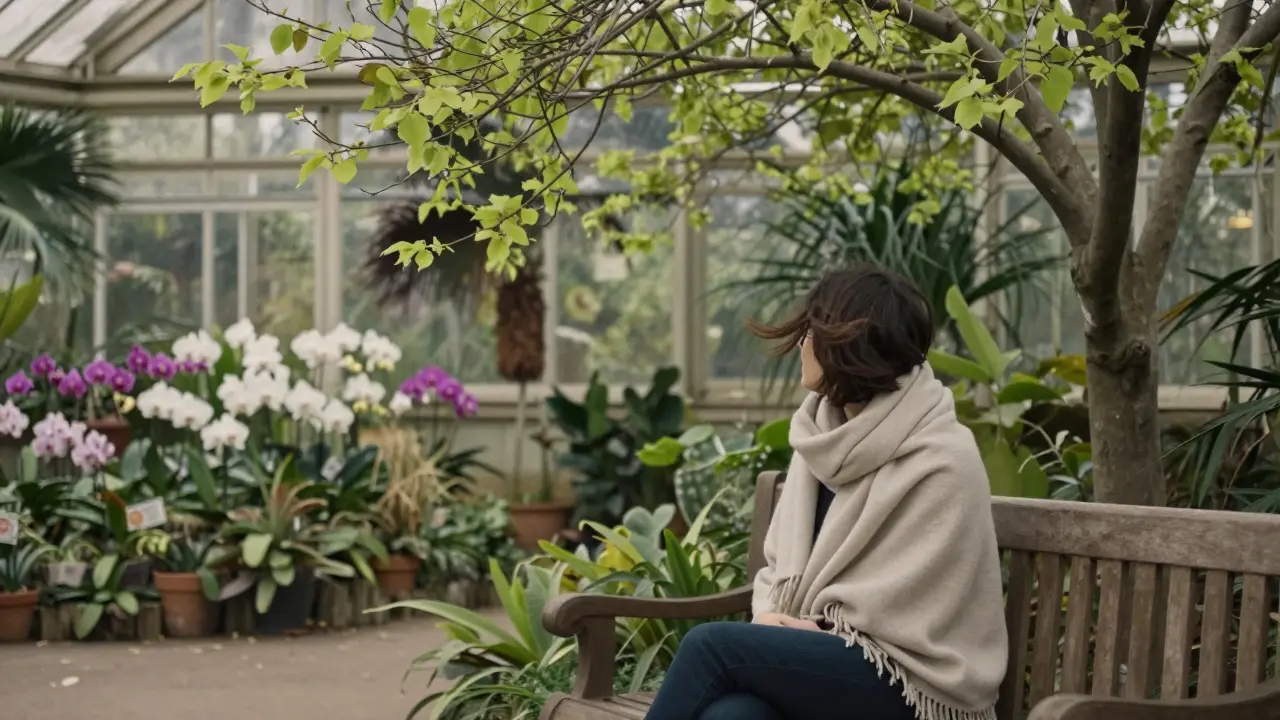
If you’ve seen the main sights, look for smaller, less crowded options. The Garfield Park Conservatory is a historic greenhouse on the West Side that offers unique plant collections and quiet gardens. It’s less touristy than its North Side counterpart and provides a peaceful retreat. Similarly, the Montrose Beach area is a beach and park on the North Shore known for its wide sandy shores and scenic views. While the sand isn’t ready for swimming yet, the grassy areas are perfect for kite flying and watching the lake.
These spots offer a different vibe. They allow you to experience the season at a slower pace, connecting with the natural environment rather than just checking boxes on a list. Sometimes, the best memories come from sitting quietly on a bench, watching the wind move through the new leaves, rather than rushing from one attraction to the next.
Frequently Asked Questions
What is the best month to visit Chicago for flowers?
May is generally considered the best month for peak blooming. The combination of warm weather and full floral displays creates the most vibrant scenery. Late April is also excellent, especially for cherry blossoms, but the selection is slightly narrower.
Is Lincoln Park Zoo really free?
Yes, general admission to Lincoln Park Zoo is free. However, special events, such as the Easter Egg Hunt or certain animal encounters, may require a separate ticket purchase. Always check the zoo’s official schedule for current pricing on special activities.
How crowded are the parks during Easter weekend?
They can be very crowded, especially in the morning and early afternoon. To avoid the worst of the rush, consider visiting later in the day or choosing a less central location like Garfield Park Conservatory. Arriving early (before 9 AM) is another strategy if you want to beat the crowds at major sites.
Do I need a car to explore spring attractions in Chicago?
No, a car is not necessary. The public transit system is extensive and connects all major parks and cultural centers. Driving can actually be more difficult due to limited parking availability and high costs in downtown areas. Using the 'L' train and buses is often faster and cheaper.
What should I wear for a spring day in Chicago?
Layering is key. Temperatures can vary significantly throughout the day. Start with a t-shirt or light sweater, add a jacket or hoodie, and bring a scarf if you’re sensitive to wind. Comfortable walking shoes are a must, as you’ll likely be on your feet for several hours.