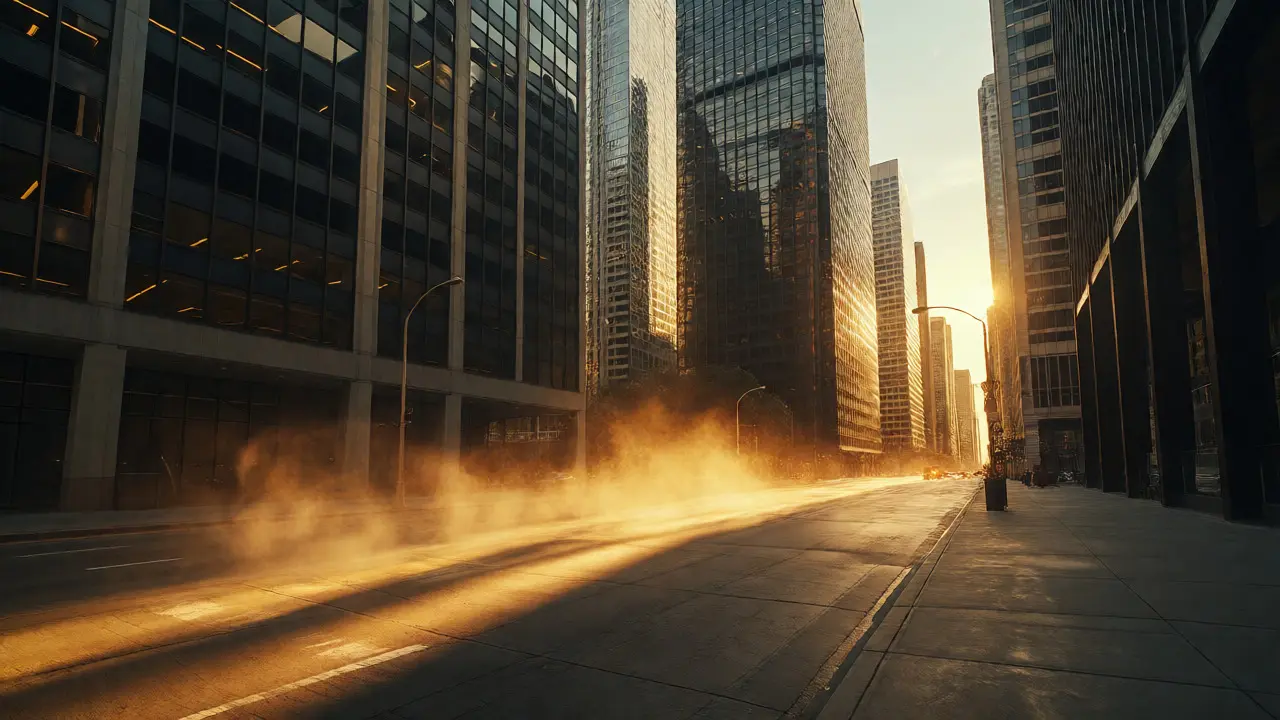
You step out of your car on a July afternoon in the Loop, and the air hits you like a wall. It’s not just hot; it’s oppressive. Meanwhile, if you drive twenty minutes north to Evanston or west to Oak Park, the temperature drops noticeably. Why does the same city feel like two different climates? This is the Urban Heat Island effect in action. It’s a phenomenon where metropolitan areas are significantly warmer than their surrounding rural areas due to human activities and the materials we build with. In Chicago, this isn’t just an inconvenience-it’s a public health crisis that disproportionately affects certain neighborhoods.
Why Chicago Gets So Much Hotter Than Its Suburbs
The science behind the heat is surprisingly simple once you look at the ground beneath your feet. Rural areas have vegetation and soil that release moisture into the air through evapotranspiration, which cools the environment. Cities replace these natural surfaces with asphalt, concrete, and dark roofing materials. These surfaces absorb solar radiation during the day and re-radiate it as heat at night. They don’t cool down efficiently. This creates a thermal dome over the city that persists long after sunset.
In Chicago, the effect is amplified by the dense concentration of high-rise buildings in the downtown core. These structures create urban canyons that trap heat and block wind flow, preventing the natural ventilation that would otherwise help dissipate warmth. The result is a temperature differential that can reach up to 10 degrees Fahrenheit between the hottest parts of the city and the cooler suburbs. For residents without air conditioning, this difference determines whether they sleep comfortably or suffer through a sweltering night.
Mapping the Hot Spots Across the City
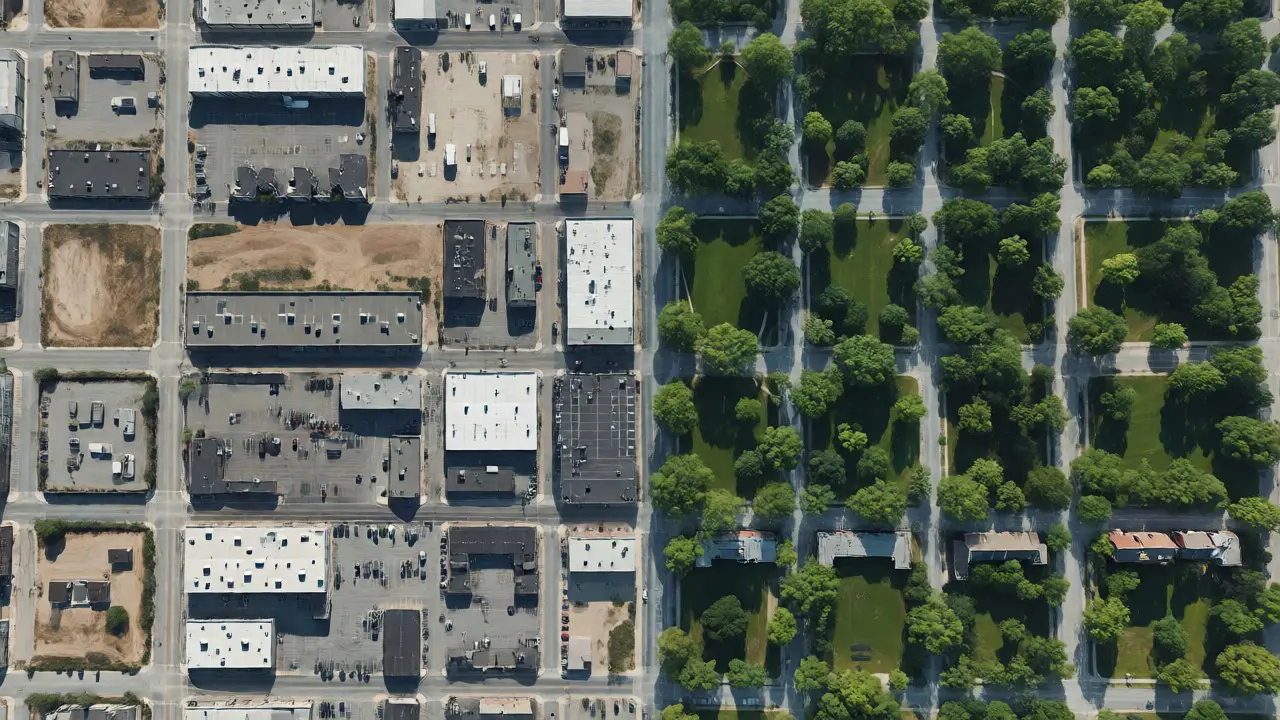
Not all neighborhoods suffer equally from the heat. Data collected by local meteorologists and community organizations reveals clear patterns. Areas with low tree canopy coverage and high impervious surface ratios tend to be the hottest. On the South and West Sides, particularly in neighborhoods like Englewood, Woodlawn, and Austin, the lack of green space correlates directly with higher temperatures. These areas often have older housing stock with poor insulation and fewer shade trees lining the streets.
Conversely, neighborhoods like Lincoln Park or Hyde Park benefit from established parks, mature tree canopies, and proximity to Lake Michigan, which provides a moderating breeze. However, even within these cooler zones, microclimates exist. A street with wide sidewalks and no trees will feel significantly hotter than one lined with oak and maple trees. Understanding these hot spots helps city planners target interventions where they are needed most.
| Neighborhood Type | Tree Canopy % | Avg Temp Difference vs. Suburbs | Primary Heat Source |
|---|---|---|---|
| Downtown Core (Loop) | <15% | +8-10°F | Concrete/High-rise density |
| Industrial Zones (South/West) | <10% | +7-9°F | Asphalt/Parking lots |
| Residential (North Side) | 30-40% | +3-5°F | Rooftops/Roads |
| Park Adjacent | 40%+ | +1-3°F | Moderated by vegetation |
Cooling Strategies That Actually Work
Fighting back against the heat requires more than just turning up the AC. Effective mitigation involves changing how we design and maintain our urban environment. One of the most impactful strategies is increasing tree canopy coverage. Trees provide direct shade, reducing surface temperatures by up to 20 degrees. They also release water vapor, which actively cools the surrounding air. Chicago’s MillionTrees initiative has made strides, but gaps remain in the hardest-hit neighborhoods.
Another powerful tool is the implementation of cool roofs. Traditional black asphalt roofs absorb up to 90% of sunlight. Reflective coatings or white membranes can reflect much of that energy, keeping building interiors cooler and reducing the ambient air temperature around them. Several commercial buildings in the Loop have adopted this strategy, reporting lower energy costs for cooling. Residential adoption is slower but growing, especially among homeowners looking to reduce summer electricity bills.
Permeable pavements offer another solution. By allowing water to seep into the ground rather than running off into sewers, permeable surfaces stay cooler because they support microbial activity and retain some moisture. While expensive to install, they are increasingly used in new park renovations and parking lot upgrades throughout the city.
The Human Cost of Extreme Heat
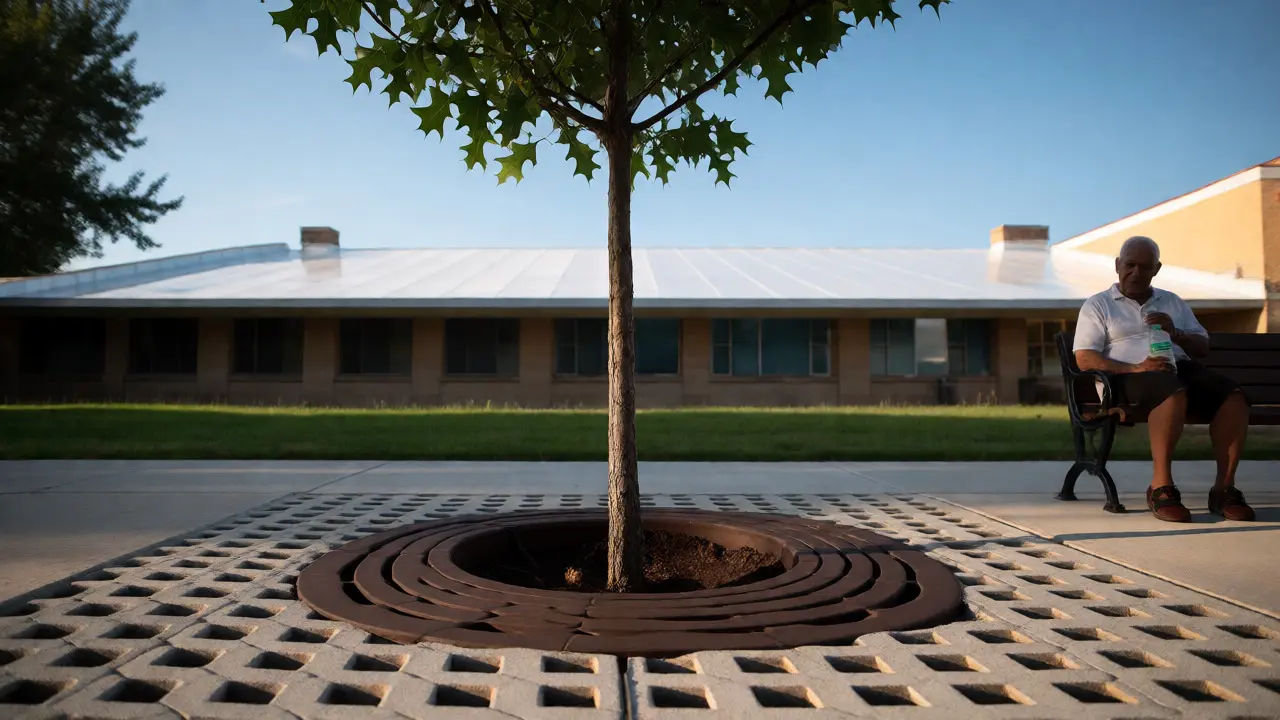
Heat kills more Americans annually than floods, hurricanes, and tornadoes combined. In Chicago, the legacy of the 1995 heat wave still looms large. That event claimed over 700 lives, mostly elderly residents who lacked access to cooling centers or social connections to check on them. Today, while infrastructure has improved, vulnerability remains tied to socioeconomic status.
Residents in low-income areas often face a "heat gap." They may live in poorly insulated homes, lack reliable air conditioning, or work outdoor jobs that expose them to peak daytime temperatures. Social isolation exacerbates the risk. An elderly person living alone in a fourth-floor walk-up without an elevator faces significant danger when power outages occur during heat waves. Community networks and accessible cooling centers are critical lifelines during these extreme weather events.
What You Can Do About It
If you’re worried about the heat in your neighborhood, there are actionable steps you can take. Start small. Plant native trees and shrubs in your yard or balcony garden. Choose species adapted to Chicago’s climate, such as bur oaks or serviceberries, which thrive with minimal maintenance. If you own property, consider installing reflective roof coatings or planting vines on south-facing walls to create a living shield against the sun.
Advocacy matters too. Attend ward meetings and push for increased street tree planting budgets in your area. Support policies that require green roofs on new commercial developments. Check on neighbors, especially older adults, during heat advisories. Sometimes the simplest intervention-a knock on the door and a bottle of water-can save a life.
What causes the Urban Heat Island effect?
The Urban Heat Island effect is caused by the replacement of natural land cover with dense concentrations of pavement, buildings, and other surfaces that absorb and retain heat. Unlike vegetation, these materials do not cool themselves through evaporation, leading to significantly higher temperatures in urban areas compared to surrounding rural regions.
Which Chicago neighborhoods are hottest?
Neighborhoods with low tree canopy and high amounts of asphalt and concrete, such as those on the South and West Sides (e.g., Englewood, Austin), typically experience the highest temperatures. Downtown areas like the Loop also run hot due to building density, though they may benefit slightly from lake breezes.
How do trees help reduce urban heat?
Trees reduce urban heat through shading and evapotranspiration. Shading prevents solar radiation from heating up pavement and buildings, while evapotranspiration releases water vapor from leaves, which cools the surrounding air. Studies show shaded surfaces can be 20-45 degrees cooler than unshaded ones.
Are cool roofs effective in Chicago?
Yes, cool roofs are effective. By reflecting more sunlight and absorbing less heat than standard roofs, they lower building interior temperatures and reduce the amount of heat radiated back into the atmosphere. This can lead to energy savings of 10-15% on cooling costs and contribute to lowering local air temperatures.
What is the best time to plant trees for cooling?
Early spring (April-May) or early fall (September-October) are the best times to plant trees in Chicago. These periods allow roots to establish before the stress of summer heat or winter freeze. Choosing native species ensures better survival rates and maximum ecological benefit.