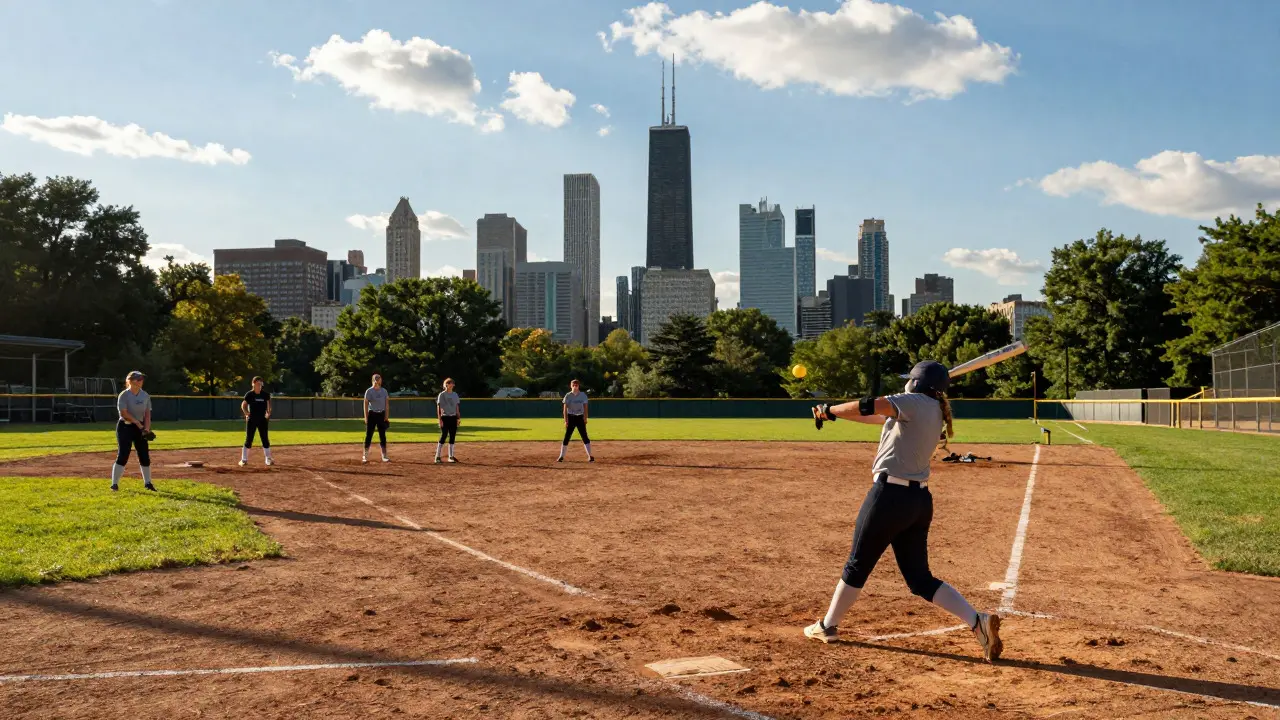
There is a specific kind of energy that hits the Chicago shoreline when the temperature climbs above 80 degrees. It isn't just the heat; it's the sound of cleats scuffing against dirt and the distant roar of fans at a local park. For many residents and visitors, summer sports are not just exercise-they are the social heartbeat of the city. Whether you are chasing a fly ball in Wicker Park or sprinting down the sideline at North Avenue Beach, the game is the same: community, competition, and the unique challenge of playing in one of America's most dynamic urban landscapes.
The Pulse of Recreational Softball
If you want to understand how Chicago plays, start with softball. It is arguably the most accessible team sport in the city, largely because the infrastructure is everywhere. You do not need a stadium ticket; you need a glove and a willingness to show up on a Tuesday night. The city’s Department of Parks and Recreation manages hundreds of fields, but the real magic happens in the organized leagues that pop up from May through September.
Recreational softball in Chicago operates on a simple model: low cost, high volume. Most leagues charge between $150 and $250 per player for a full season, which covers field time and sometimes even umpires. This price point keeps the barrier to entry low, allowing office teams, college alumni groups, and neighborhood friends to compete side by side. The level of play varies wildly. One week you might be facing a team where everyone can hit a line drive; the next, you’re dealing with a group that treats the game like a pickup session in their backyard.
- League Structure: Most leagues run 8-10 weeks long, with games scheduled on weekdays (6 PM - 9 PM) and weekends.
- Registration Windows: Teams typically register in April, but open spots appear as late as June if you know where to look.
- Key Locations: Douglas Park, Lincoln Park, and Garfield Park host some of the busiest softball complexes in the city.
What makes Chicago softball special is the post-game tradition. In New York, you might head home after the final out. In Chicago, the game often ends when the first beer is poured at the nearby bar or grill. This cultural norm means that joining a league is less about athletic achievement and more about building a social network. You will likely find your next business partner, date, or best friend on the other side of the infield.
Soccer: The Global Game Goes Local
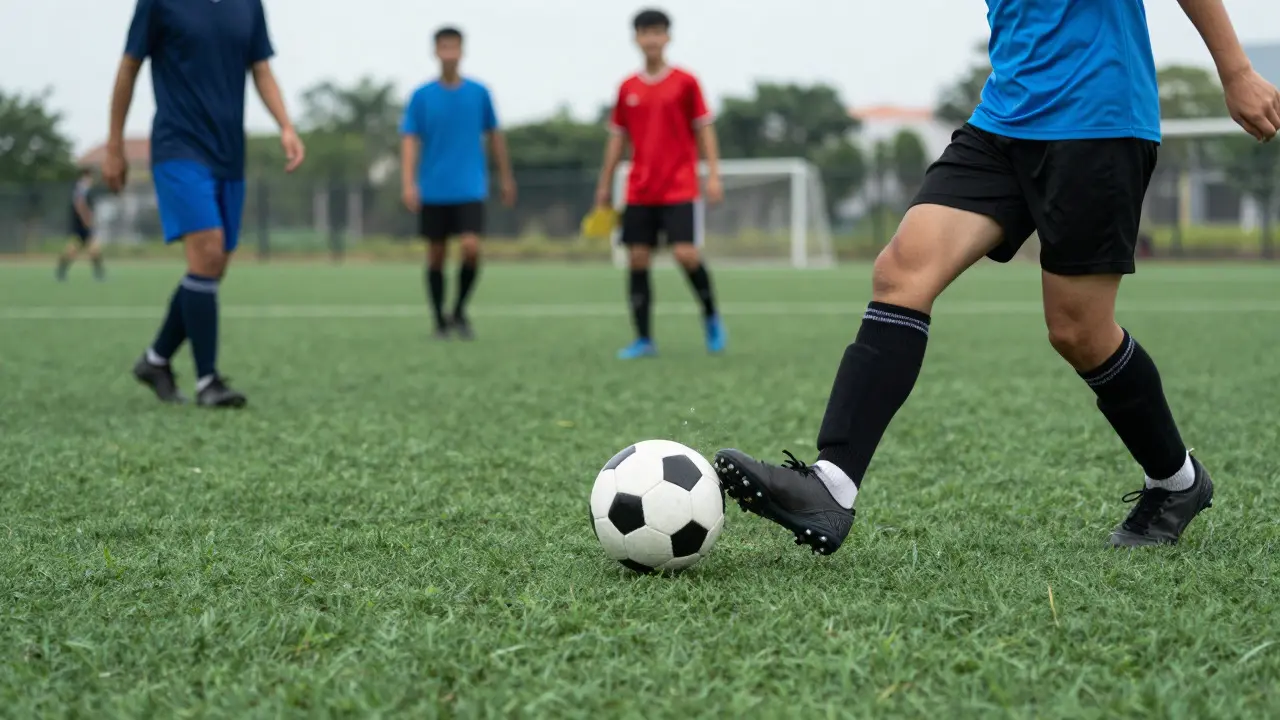
While softball has deep roots in American suburbs, soccer has taken over Chicago’s urban parks with equal force. The rise of youth academies has created a pipeline of skilled players who now dominate adult recreational leagues. If you have never played organized soccer before, don’t let that stop you. There are plenty of "beginner" or "social" divisions designed specifically for those who haven’t kicked a ball since middle school.
The difference between a beginner and an advanced player in Chicago’s adult leagues is stark. Advanced leagues often feature former semi-pro players or college athletes looking to stay fit. These games are fast-paced, tactical, and physically demanding. Social leagues, on the other hand, prioritize fun over form. Here, a missed pass is met with laughter, not frustration. The key to finding the right fit is reading the league descriptions carefully. Look for keywords like "all levels welcome" or "no tryouts required."
| Feature | Recreational Softball | Adult Soccer (Social) | Lakefront Running Clubs |
|---|---|---|---|
| Average Cost | $150 - $250 | $100 - $200 | Free - $50/year |
| Game Duration | 70 minutes | 60-70 minutes | 30-45 minutes |
| Primary Benefit | Social bonding, teamwork | Cardio, footwork skills | Mental health, community |
| Best Season | May - September | April - October | All year (weather permitting) |
Soccer also benefits from Chicago’s extensive network of artificial turf fields. Unlike natural grass, which can get muddy and unplayable during spring rains, turf allows for consistent conditions throughout the season. This reliability is crucial for businesses and individuals who plan their weekly schedules around these games. You can count on the pitch being ready, rain or shine, making it easier to commit to a regular schedule without worrying about cancellations due to weather.
The Lakefront Experience
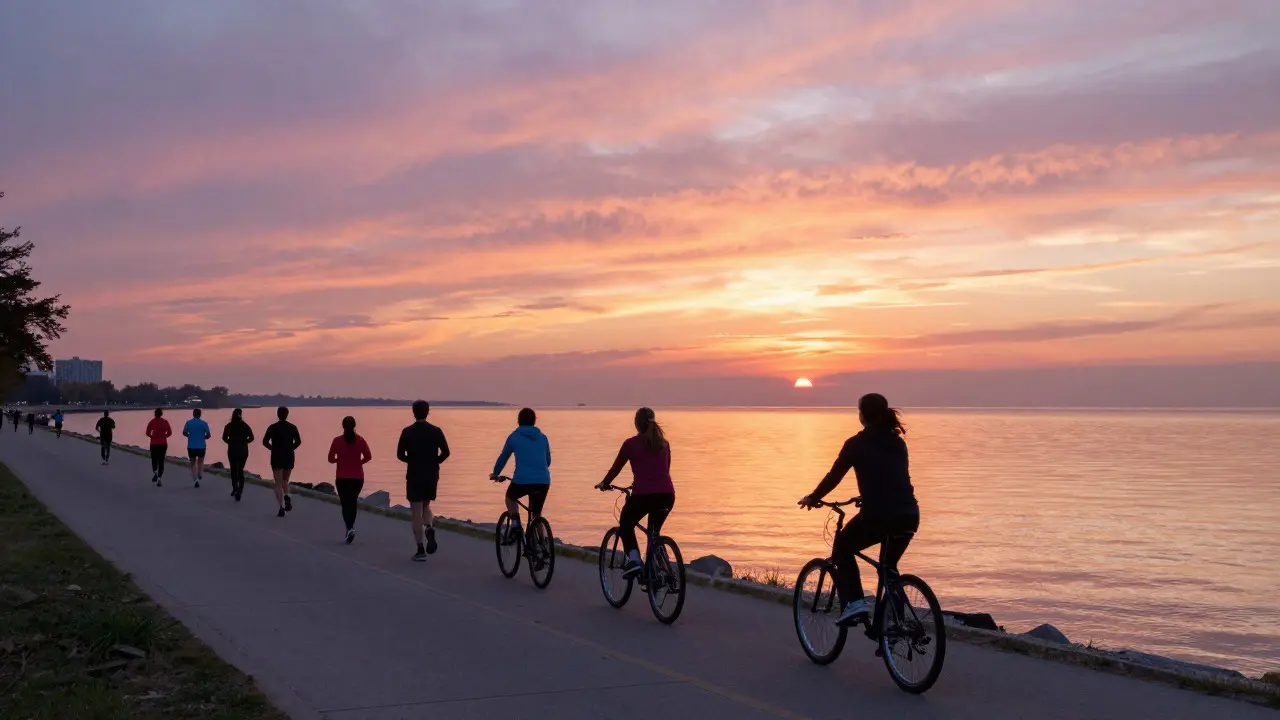
You cannot talk about summer sports in Chicago without mentioning the lakefront. The Lake Michigan shoreline offers something no inland city can match: a natural wind break and a scenic backdrop that turns every workout into a visual treat. While there are no official "leagues" for running or cycling in the traditional sense, informal groups meet daily along the path.
These lakefront leagues are often self-organized via social media apps like Strava or Facebook groups. A typical Saturday morning might see a group of 20 runners meeting at Oak Street Beach for a 5K loop. They aren’t competing for a trophy; they are competing against their own personal records and each other’s pace. The camaraderie here is different from team sports. It is quieter, more introspective, but deeply satisfying. You finish the run, share a coffee, and watch the sun rise over the water.
Cyclists also flock to the lakefront path, especially in the early mornings and late evenings to avoid the midday heat. The path is wide enough to accommodate both casual riders and serious commuters. If you are new to this scene, bring a lock. Bike theft is a reality in any major city, and the lakefront is no exception. Many locals ride with integrated locks or use heavy-duty U-locks to secure their bikes while they stretch or grab a snack.
Navigating Weather and Scheduling
One of the biggest challenges for outdoor sports in Chicago is the weather. Summer brings humidity, thunderstorms, and occasional heat waves. Smart players plan accordingly. Most leagues have clear policies regarding weather cancellations. Typically, if the temperature exceeds 95 degrees or if lightning is within 10 miles, the game is called off. However, light rain is usually considered part of the game. Players are expected to show up unless notified otherwise.
To make the most of your season, consider these practical tips:
- Hydrate Aggressively: Chicago summers are humid. Carry a water bottle to every practice and game. Dehydration leads to cramps and poor performance.
- Dress in Layers: Mornings can be cool, while afternoons are hot. Wear moisture-wicking base layers that you can remove as the day warms up.
- Check the Forecast: Use a reliable weather app that provides hourly updates. Thunderstorms can develop quickly over Lake Michigan, creating sudden microclimates.
- Respect the Schedule: Punctuality is valued in Chicago sports culture. Being five minutes late can mean missing warm-ups or even starting the game on the bench.
Understanding the local climate helps you prepare better. The "lake effect" can cause cooler temperatures near the shoreline compared to areas further inland. This means that if you are playing at a beachside park, you might feel a breeze that keeps you comfortable, while someone playing in the South Side might be sweating profusely. Adjust your gear accordingly based on your specific location.
Finding Your Community
The best way to get involved is to start small. Don’t sign up for three leagues at once. Pick one sport that interests you and commit to a single season. This allows you to learn the rules, meet your teammates, and gauge whether you enjoy the competitive aspect or prefer the social side. Many people find that they love the sport but hate the intensity of a high-level league. That is okay. There is always a lower tier available.
Online platforms make discovery easy. Websites like Meetup.com and dedicated local sports portals list upcoming tournaments and open registration periods. Joining these groups gives you access to inside information, such as which teams are looking for last-minute replacements or which fields have the best lighting for evening games. This insider knowledge can make or break your experience, turning a frustrating search for a team into a seamless integration into a supportive community.
Finally, remember that the goal is connection. Whether you are throwing a ground ball, passing a soccer ball, or jogging alongside a stranger, you are participating in a shared ritual that defines Chicago summers. So lace up your shoes, grab your gear, and step onto the field. The city is waiting, and the game is just beginning.
How much does it cost to join a summer sports league in Chicago?
Costs vary by sport and level. Recreational softball typically ranges from $150 to $250 per player for the season. Adult soccer leagues usually cost between $100 and $200. Running clubs are often free or charge a small annual fee of around $50. These fees generally cover field rental and administrative costs.
Do I need to be good at the sport to join a league?
No. Most Chicago leagues offer multiple skill levels, including "beginner," "social," or "all levels welcome" divisions. These are designed for people who haven't played in years or are trying the sport for the first time. Just read the league description carefully to ensure it matches your skill level.
What should I wear for outdoor sports in Chicago summer?
Wear moisture-wicking synthetic fabrics rather than cotton, which holds sweat and can cause chafing. Dress in layers so you can adjust to changing temperatures. Always carry water, as hydration is critical during humid summer months. Closed-toe shoes are recommended for safety on uneven terrain.
Where are the best places to find lakefront running groups?
Popular gathering spots include Oak Street Beach, North Avenue Beach, and Montrose Beach. You can find groups through apps like Strava, Facebook groups dedicated to Chicago running, or by checking bulletin boards at local coffee shops near the lakefront. Most groups meet on weekends in the early morning.
How do weather cancellations work for outdoor leagues?
Most leagues cancel games if lightning is within 10 miles or if temperatures exceed 95 degrees Fahrenheit. Light rain is usually not a reason for cancellation. Check the league's official communication channel (email or app) for updates. If no notification is sent, assume the game is on.