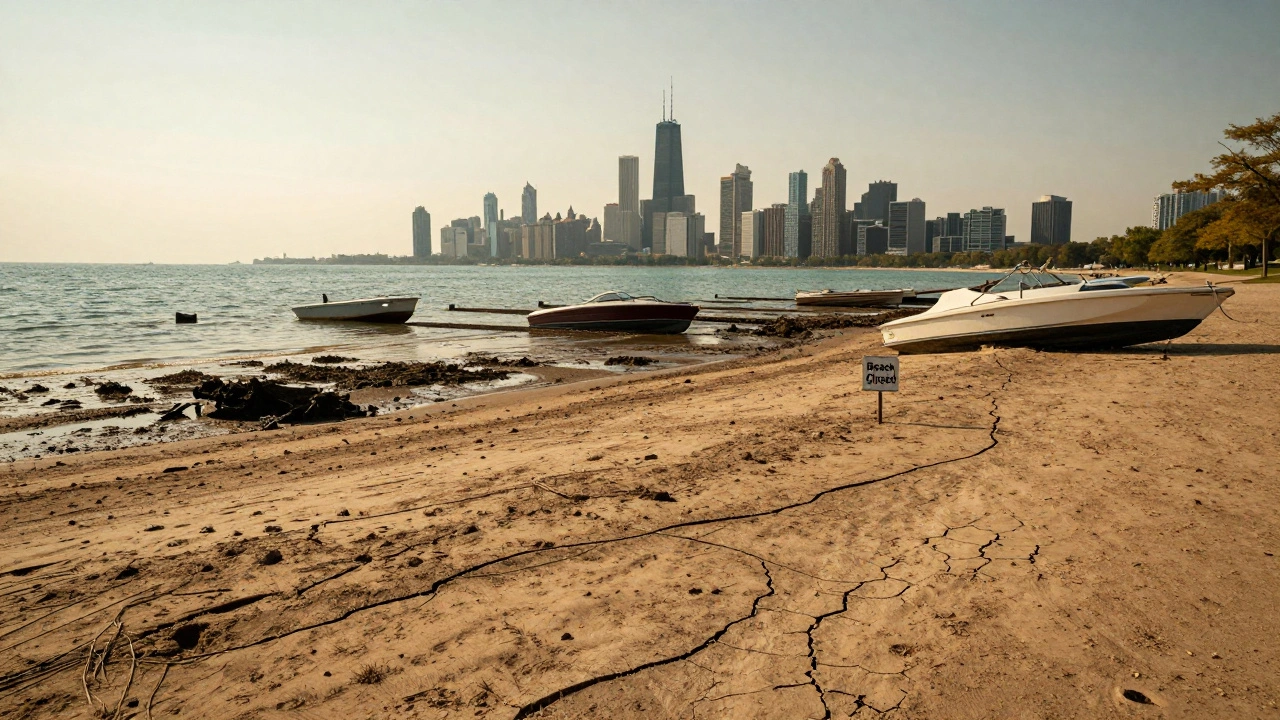
Chicago used to have winters you could count on. Snow piled up by December, ice clung to Lake Michigan until March, and summer heat stayed manageable. But things have shifted. Since the 1980s, the city has warmed by nearly 3 degrees Fahrenheit-faster than the national average. That doesn’t sound like much, but it’s enough to rewrite the rules of weather and reshape the lakefront.
Hotter Summers, Longer Heat Waves
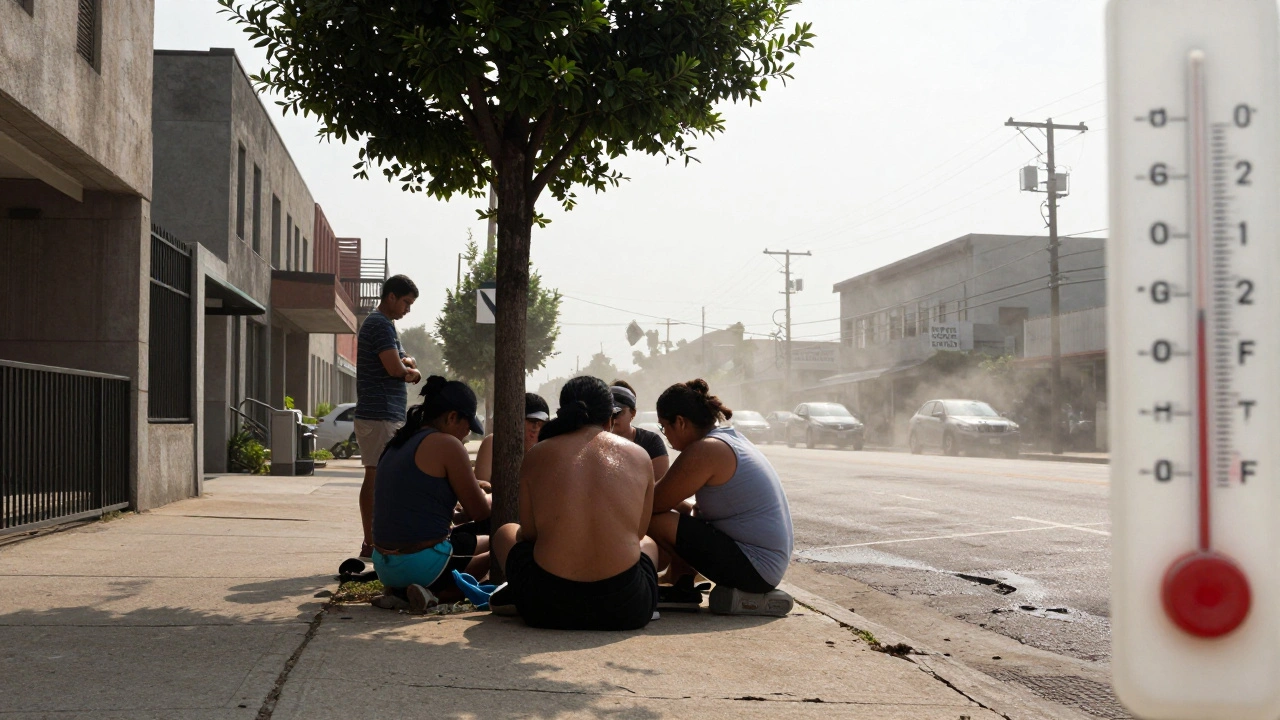
Chicago’s summer heat used to peak in July, then fade by late August. Now, it’s common to see temperatures hit 90°F for 15 or more days straight. In 2023, the city broke its all-time heat record with 10 consecutive days above 95°F. The urban heat island effect makes it worse-concrete, asphalt, and dense buildings trap heat. Neighborhoods like Englewood and Austin, with fewer trees and more pavement, regularly hit 10°F hotter than parks near the lake.
Heat isn’t just uncomfortable. It’s deadly. Between 2010 and 2023, heat-related deaths in Cook County rose by 42%. Emergency rooms see a spike in heat stroke cases, especially among older adults and people without air conditioning. The city now runs cooling centers, but many residents don’t know where they are-or can’t get there.
Storms Are Stronger, Floods Are Worse
Chicago’s rainfall patterns have flipped. Instead of steady spring rains, the city now gets fewer but heavier storms. In 2021, a single storm dumped 7.5 inches of rain in 24 hours-enough to overwhelm sewers and flood basements across the South Side. The same thing happened again in 2022, and again in 2024.
The city’s 1930s-era sewer system wasn’t built for this. When the pipes overflow, raw sewage flows into the Chicago River and eventually into Lake Michigan. In 2023, health officials issued 17 beach closure notices due to bacteria from runoff. People who swim at North Avenue Beach or Montrose Harbor now check water quality reports before heading out.
The Lakefront Is Changing, Too
Lake Michigan is warming faster than most Great Lakes. Since 2000, its surface temperature has risen by 4.5°F. That might not sound like much, but it’s changed the lake’s behavior. Ice cover? It’s down by 60% since the 1970s. In 2022, only 2% of the lake froze over-the lowest on record.
Less ice means more evaporation. Water levels have dropped by nearly 2 feet since 2013. That’s exposed beaches, damaged docks, and stranded boats. At Montrose Beach, the shoreline has retreated by 15 feet in five years. At Navy Pier, new pilings had to be installed because the old ones were left high and dry.
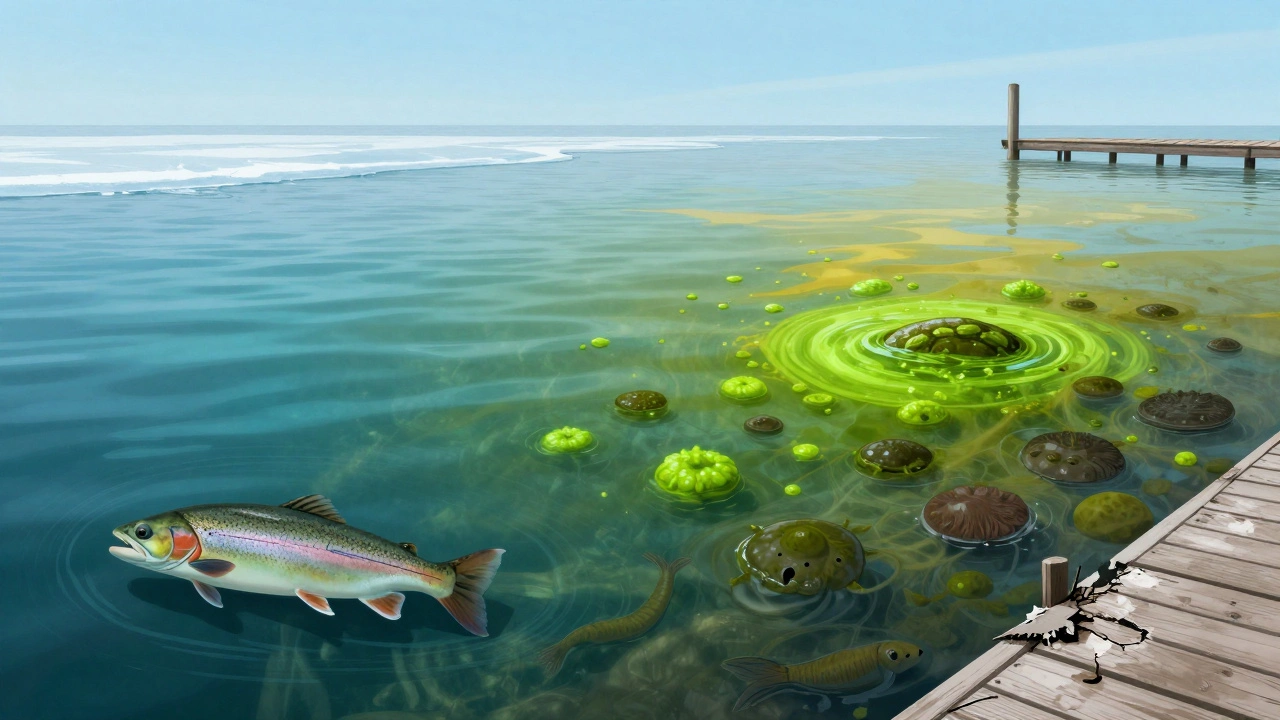
Warmer water also fuels algae blooms. In 2024, a toxic cyanobacteria bloom stretched from Evanston to Michigan City. Health advisories warned people not to touch the water. Fish kills increased. The lake’s ecosystem is shifting-native species like lake trout are struggling, while invasive species like round gobies thrive.
Spring Is Coming Earlier, Winter Is Fading
Spring in Chicago used to mean snowmelt and muddy streets. Now, it means daffodils blooming in late February. The average last frost date has moved up by 12 days since 1980. Trees leaf out earlier. Birds arrive sooner. But this isn’t all good.
Early springs trick plants into blooming before the danger of frost passes. In 2023, a late freeze killed 70% of the city’s cherry blossoms. Fruit farmers lost entire crops. Urban gardens got hit, too. And with less snowpack to slowly feed groundwater, spring dry spells are becoming more common.
Winters? They’re shorter and wetter. Snowfall has dropped 25% since the 1980s. When it does snow, it’s more likely to turn to slush. That means more ice on roads, more accidents, and more strain on city snow removal crews. In 2024, Chicago recorded its warmest January on record-11°F above normal.
What’s Next? The City’s Response
Chicago has a Climate Action Plan. It’s not just talk. The city is planting 100,000 trees by 2030, mostly in neighborhoods hit hardest by heat. Rooftop gardens are being installed on public buildings. New building codes require reflective roofs and better insulation.
On the lakefront, engineers are rebuilding piers with elevated foundations. Beaches are being widened with sand imported from deeper parts of the lake. The city is also testing green stormwater infrastructure-rain gardens, permeable pavements, and bioswales-to soak up floodwater before it hits the sewers.
But progress is slow. Funding is tight. And not everyone agrees on what to prioritize. Some want more cooling centers. Others want better public transit so people can escape heat without driving. The truth? No single fix will solve this. It’s going to take years-and a lot of money.
What You Can Do
You don’t have to wait for the city to act. If you live in Chicago, here’s what helps:
- Plant native trees or shrubs in your yard-they cool the air and soak up rain.
- Use a rain barrel to collect water. It reduces runoff and helps your garden survive dry spells.
- Check the Chicago Department of Public Health website before swimming at the beach.
- Support local groups like Chicago Climate Action Network that push for tree planting and green infrastructure.
- Know where your nearest cooling center is. They’re open when temperatures hit 90°F or higher.
Climate change isn’t a future threat in Chicago. It’s here. The heat, the floods, the empty beaches, the algae blooms-they’re all signs the city is changing. The question isn’t whether it will get worse. It’s whether we’ll act fast enough to keep it livable.
Is Chicago getting more rain because of climate change?
Yes, but not more total rain. Chicago’s annual rainfall hasn’t changed much. What has changed is how it falls. Heavy downpours of 3 inches or more have increased by 70% since the 1980s. That’s because warmer air holds more moisture. When it rains, it pours. This overwhelms old drainage systems and causes flooding.
Why is Lake Michigan’s water level dropping?
Warmer water evaporates faster. Since 2013, Lake Michigan’s surface temperature has risen 4.5°F, leading to more evaporation. At the same time, less snowpack means less spring runoff to refill the lake. The combination has lowered water levels by nearly 2 feet. This exposes shorelines, damages docks, and threatens water supply infrastructure.
Are algae blooms in Lake Michigan getting worse?
Yes. Warmer water, more nutrients from runoff, and less ice cover have created perfect conditions for toxic cyanobacteria blooms. In 2024, blooms covered over 150 square miles of the lake. Health officials now issue warnings almost every summer. These blooms can cause skin rashes, stomach illness, and even liver damage if ingested.
How is climate change affecting Chicago’s wildlife?
Native species are struggling. Lake trout, which need cold water, have vanished from much of the lake. Migratory birds are arriving earlier or skipping migration entirely. Meanwhile, invasive species like round gobies and Asian carp are thriving in warmer, murkier waters. Urban wildlife like raccoons and coyotes are also expanding into neighborhoods as winters get milder.
Can Chicago’s infrastructure handle future climate impacts?
Not as it stands. The sewer system is 90 years old. Many roads and bridges were built for a colder, drier climate. Without major upgrades, flooding, heat stress, and lake erosion will keep getting worse. The city is investing in green infrastructure, but funding gaps remain. Experts say Chicago needs $1.2 billion in climate resilience upgrades over the next decade just to stay ahead of current trends.