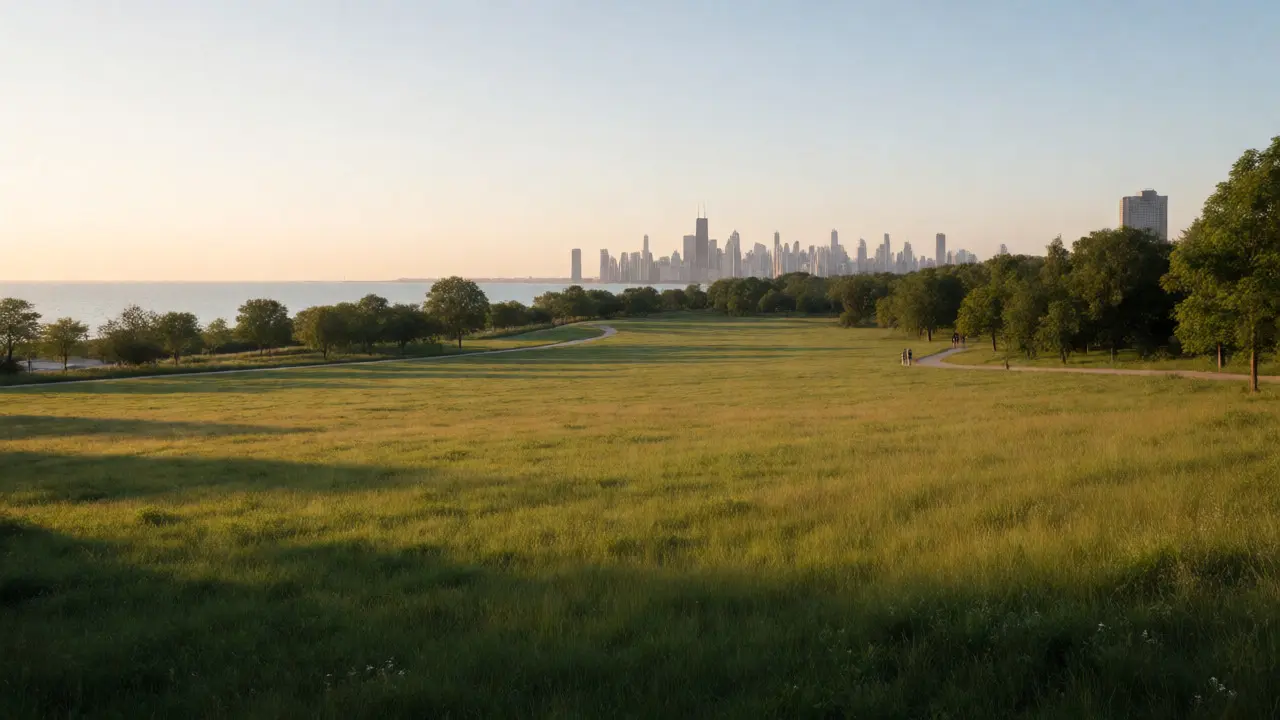
You know that feeling when you want a beach day but don't want the crowds of North Avenue? Or when you crave a walk through history without leaving the city limits? Jackson Park is your answer. Located in the Hyde Park neighborhood on Chicago's South Side, this isn't just another green space; it's a massive 500+ acre landscape designed by Frederick Law Olmsted and Calvert Vaux, the same duo behind New York's Central Park. If you've been sleeping on the South Side, you're missing out on some of the most underrated natural beauty and cultural hubs in the Midwest.
The Big Picture: Why Jackson Park Stands Out
Most people know Jackson Park because it hosted the 1893 World's Columbian Exposition. That event put Chicago on the global map, earning it the nickname "The White City." But today, the park is about more than history books. It's a living, breathing ecosystem right next to Lake Michigan. You get sweeping lakefront views, dense forests, and open meadows all in one place. Unlike Lincoln Park, which feels urban and manicured, Jackson Park retains a wilder, more expansive vibe. It’s spacious enough that you can find solitude even on busy weekends.
The park serves as a critical green lung for the surrounding neighborhoods, including Woodlawn and Hyde Park. For locals, it's a backyard. For visitors, it's a gateway to understanding Chicago's broader geography. You aren't just visiting a park; you're stepping into a piece of American landscape architecture history that still functions perfectly today.
Lakefront Bliss: Beaches and Water Activities
Let's talk water. The lakefront here is stunning. 63rd Street Beach is the star of the show. It’s clean, well-maintained, and significantly less chaotic than its northern counterparts. You can swim, sunbathe, or just watch the ships go by toward the Port of Chicago. The sand is soft, and the lifeguards are attentive during summer months.
If swimming isn't your thing, try kayaking or paddleboarding. Several local outfitters operate near the harbor areas. Paddling out gives you a unique perspective of the skyline and the park's shoreline. The water quality has improved dramatically over the last decade, making it safe and enjoyable for recreation. Just check the daily advisories from the Metropolitan Water Reclamation District before you jump in-after heavy rain, runoff can sometimes affect water clarity.
- Best for: Families with kids (shallow entry points), swimmers, and sunset watchers.
- Pro Tip: Arrive early on Saturdays. Parking fills up fast near the beach pavilion.
Wooded Island: A Hidden Gem Within the Park
Tucked away in the western part of Jackson Park lies Wooded Island. This man-made island was originally created for the World's Fair and now serves as a sanctuary for birds and butterflies. It’s accessible via a short bridge, and once you step onto it, the noise of the city fades away.
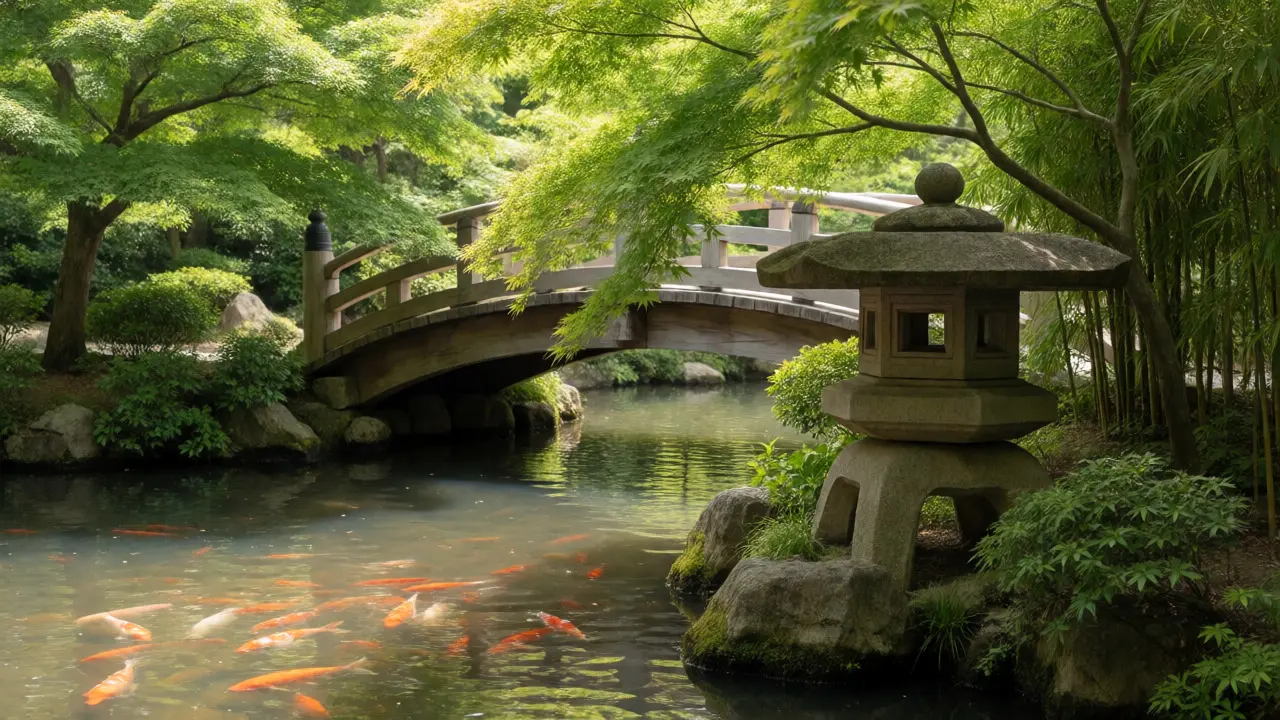
The highlight here is the Japanese Garden, known as the Osaka Garden. Designed by Hoichi Kurisu, it features traditional elements like stone lanterns, koi ponds, and arched bridges. It’s free to enter, which makes it an incredible value compared to paid botanical gardens elsewhere. Birdwatchers love it because the island acts as a stopover for migratory species. Bring binoculars if you’re serious about spotting warblers or herons.
Walking paths here are paved and flat, making them accessible for strollers and wheelchairs. It’s a peaceful spot for reading a book or having a quiet conversation. Unlike the main lawn areas, Wooded Island feels secluded, almost secret. Many first-time visitors miss it entirely, so take the extra ten minutes to explore.
Cultural Anchors: Museum of Science and Industry
You can’t talk about Jackson Park without mentioning the Museum of Science and Industry (MSI). Housed in the Palace of Fine Arts from the 1893 Fair, MSI is the largest science museum in the Western Hemisphere. It’s not technically inside the park’s boundaries, but it sits right at the edge, and the two are intrinsically linked.
If you’re planning a full day, combine a morning hike or bike ride in the park with an afternoon at MSI. The museum offers interactive exhibits on everything from U-boat submarines to space travel. For families, this combination is unbeatable. Kids burn energy outside, then engage their brains indoors. The transition between nature and technology is seamless here.
| Feature | Jackson Park | Lincoln Park | Grant Park |
|---|---|---|---|
| Size | ~540 acres | ~1,200 acres (includes zoo/greenhouse) | ~300 acres |
| Primary Vibe | Natural, Historic, Spacious | Urban, Busy, Zoo-focused | Downtown, Event-heavy |
| Key Attraction | Wooded Island & MSI | Lincoln Park Zoo | Buckingham Fountain |
| Crowd Level | Moderate | High | Very High (weekends/events) |
Active Pursuits: Biking, Running, and Walking
The park connects directly to the Lakefront Trail, a 18-mile path running along the city’s shoreline. Cyclists and runners flock here because the terrain is mostly flat and the scenery changes constantly. You’ll pass through wooded areas, open grasslands, and waterfront sections. The trail is well-marked and separated from vehicle traffic, making it safe for beginners.
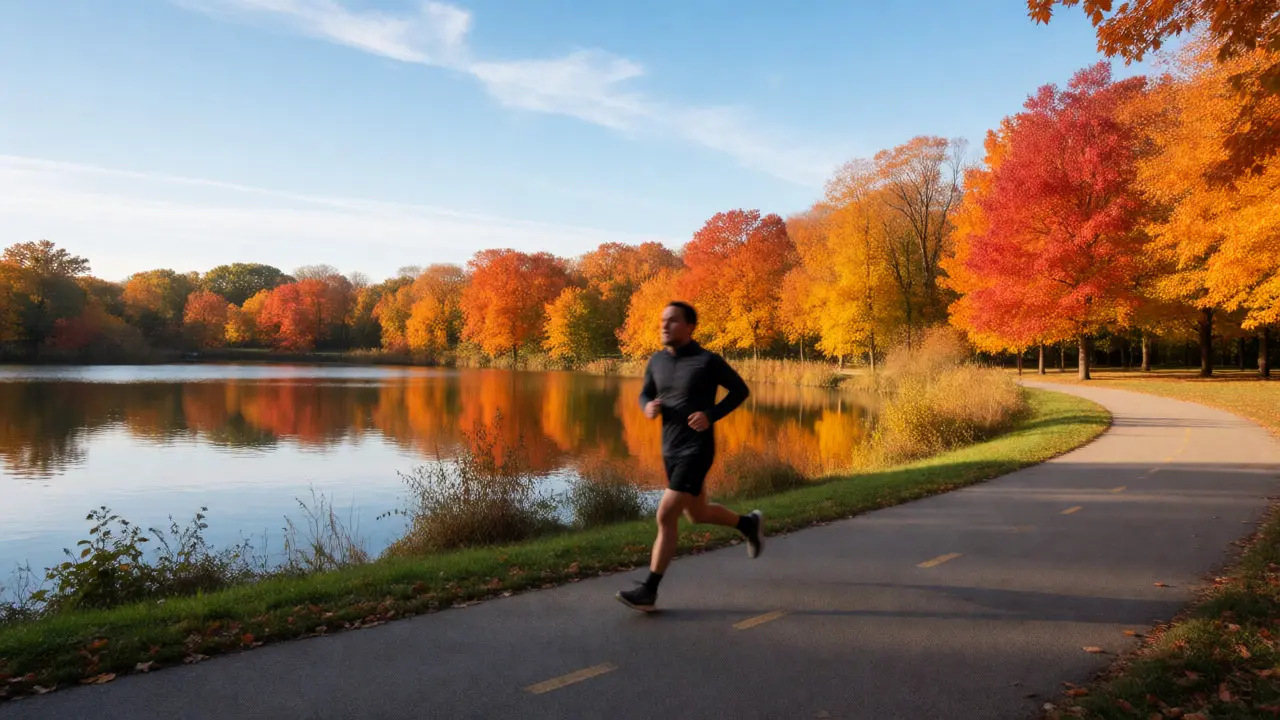
For runners, the loop around the lagoon is a popular route. It’s roughly 1.5 miles and offers beautiful reflections of trees and sky. During fall, the foliage turns vibrant shades of orange and red, turning the run into a visual spectacle. In winter, cross-country skiing trails open up when snow accumulates, transforming the park into a white wonderland.
Sports fields dot the eastern side of the park. Soccer leagues, softball games, and ultimate frisbee matches happen regularly. Check the Chicago Park District website for permit schedules if you want to join a pickup game. The community feel here is strong; neighbors actually know each other and often gather after games.
Seasonal Highlights and Events
Chicago seasons are distinct, and Jackson Park embraces them all. Spring brings cherry blossoms and tulips, particularly around the lagoon. Summer is peak beach season, with concerts and festivals occasionally held on the great lawn. Fall is arguably the best time to visit-the air is crisp, the colors are popping, and the crowds thin out.
Winter transforms the park into a quieter, reflective space. While some facilities close, the paths remain open. Ice skating happens nearby at the Skating Club of Chicago, though it’s not directly on the park grounds. Keep an eye out for the Winter Walk events organized by local conservation groups. They offer guided tours focusing on native plants and animal tracks in the snow.
One recurring event is the Jackson Park Conservancy’s volunteer days. These are great opportunities to meet locals and contribute to the park’s upkeep. Planting trees, removing invasive species, or cleaning up litter-you’ll leave with a sense of ownership and new friends.
Getting There and Practical Tips
Access is easy via public transit. Take the Green Line train to the 63rd Street-Cottage Grove station. From there, it’s a short walk or bus ride to the park entrances. Driving is possible, but parking can be tricky near the beach and MSI. Use the metered street spots or designated lots further inland.
Restrooms are available at major hubs like the beach pavilion and near the museum, but they can be scarce deeper in the woods. Bring your own water and snacks. Cell service is generally good, but don’t rely on it for navigation in the forested areas. Download offline maps if you plan to explore extensively.
Is Jackson Park safe?
Yes, Jackson Park is generally safe, especially during daylight hours and in populated areas like the beach and museum district. Like any large urban park, stay aware of your surroundings, avoid isolated areas at night, and stick to well-lit paths after dark.
Can I bring my dog to Jackson Park?
Dogs are allowed on leash throughout most of the park, except for specific areas like the beach during swimming season and certain playground zones. Always clean up after your pet.
Is there an entrance fee for Jackson Park?
No, entry to Jackson Park itself is free. However, the Museum of Science and Industry charges admission fees, which vary by age and residency status.
What is the best time of year to visit?
Late spring (May-June) and early fall (September-October) offer the best weather and fewer crowds. Summer is ideal for beach lovers, while winter appeals to those who enjoy quiet, snowy landscapes.
Are there food options inside the park?
Limited options exist within the park boundaries, mostly snack bars near the beach. For full meals, head to nearby Hyde Park restaurants or use delivery services to your picnic spot.