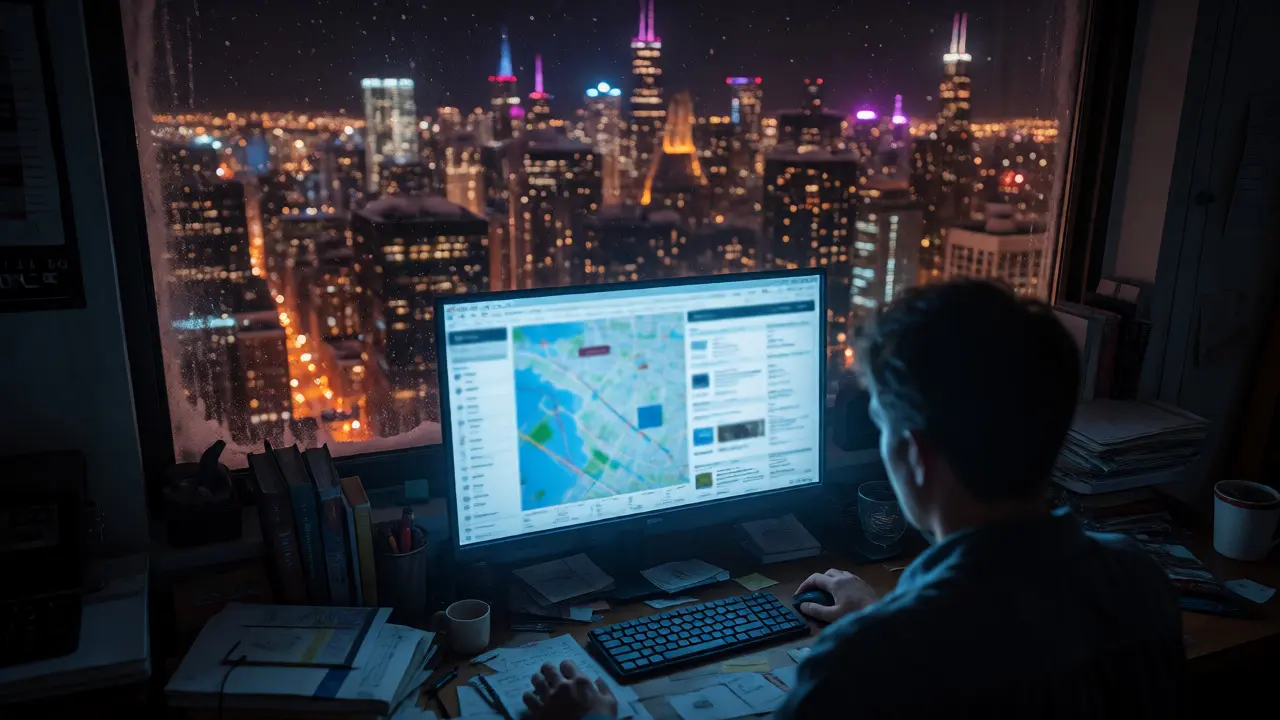
You’re staring at a Zillow tab that’s been open for three hours. The rent numbers are blurring together. One spot looks great on paper but is buried in a neighborhood you’ve never heard of. Another is perfect, except the price tag makes your wallet physically ache. This is the classic Chicago renter dilemma. The city is massive-77 official community areas-but only about 15 or 20 actually make sense if you want a balance of safety, transit access, and fair pricing.
Most guides just list names like "Wicker Park" or "Lincoln Park" without telling you what it actually costs to live there today. Or they ignore the fact that "amenities" in Chicago often mean something very different than in other cities. Here, an elevator might be a luxury, and parking is rarely included. If you’re moving here or shifting neighborhoods, you need to know where your money goes and what you get in return. Let’s break down the real value proposition of Chicago’s top rental zones right now.
The Quick Verdict: Where Your Money Goes Furthest
Before we dive into the weeds, here is the snapshot. If you are looking for maximum square footage per dollar with solid transit, look west or south. If you want nightlife and walkability and don’t mind paying a premium for smaller spaces, stay north or central. The gap between a studio in Lincoln Park and a one-bedroom in Logan Square can be $800-$1,000 a month. That’s not just rent; that’s your lifestyle budget.
| Neighborhood | Avg. 1BR Rent | Transit Access | Vibe/Amenity Level | Best For |
|---|---|---|---|---|
| Logan Square | $2,100 - $2,400 | Blue Line / Brown Line | High (Trendy bars, parks) | Young professionals, creatives |
| Pilsen | $1,900 - $2,200 | Pink / Orange Lines | Medium-High (Arts, food) | Culture seekers, budget-conscious urbanites |
| Andersonville | $2,300 - $2,600 | Red Line | Medium (Quiet, residential) | Families, quiet professionals |
| Uptown | $1,800 - $2,100 | Brown / Purple / Red Lines | High (Diverse, historic) | Diversity lovers, long-term residents |
| Hyde Park | $1,600 - $1,900 | Green Line | Medium (University hub) | Students, academics, families |
| Roscoe Village | $2,000 - $2,300 | Red Line | Medium (Suburban feel) | First-time buyers, young families |
Understanding the "Hidden" Costs of Chicago Renting
When you compare neighborhoods, you aren't just comparing rent checks. You’re comparing total cost of living. In many suburbs or car-dependent cities, rent includes heat, water, trash, and sometimes internet. In Chicago, especially in older buildings, this is rarely the case. Before you sign anything, ask these three questions:
- Who pays for heat? In pre-war buildings, radiators are common. If the landlord doesn’t pay, winter bills can hit $150-$250/month. Newer builds often have individual thermostats, which is better for control but worse for your wallet if you leave it on.
- Is parking included? Street parking is free but competitive. Garage parking averages $150-$250/month. If you have a car, factor this in immediately. It changes the math entirely.
- What is the "move-in fee"? Many management companies charge non-refundable move-in fees ranging from $200 to $500. This isn’t a deposit; it’s gone forever. Negotiate this out if possible, or at least know it exists.
For example, a $2,000 apartment in Wicker Park might effectively cost $2,400 once you add heat, parking, and utilities. A $2,200 unit in Albany Park might all-inclusive cost $2,300. Suddenly, the "cheaper" option isn’t so cheap.
North Side: Convenience Comes at a Premium
If you work downtown and hate commuting, the North Side is tempting. But it’s expensive. Lincoln Park is beautiful, green, and safe, but a decent one-bedroom starts near $2,600. You’re paying for the trees, the lakefront, and the prestige. Is it worth it? Only if you use the park daily.
A smarter play is Andersonville. It’s quieter, less touristy, and has a charming main street with independent shops. The Red Line runs right through it, getting you to the Loop in 20 minutes. Rents are high, but slightly lower than Lincoln Park. The trade-off? Fewer late-night options. Once the bars close, it’s dead quiet. Perfect if you sleep early, frustrating if you want nightlife.
Then there’s Uptown. Historically diverse and culturally rich, Uptown has seen massive gentrification. You get incredible food scenes (Ethiopian, Mexican, Vietnamese) and historic architecture like the Wilson Avenue station. Rents have spiked, but you still find deals in the northern parts. The downside is inconsistent maintenance in older buildings. Inspect the windows and plumbing carefully. Landlords here range from excellent mom-and-pops to neglectful corporate owners.
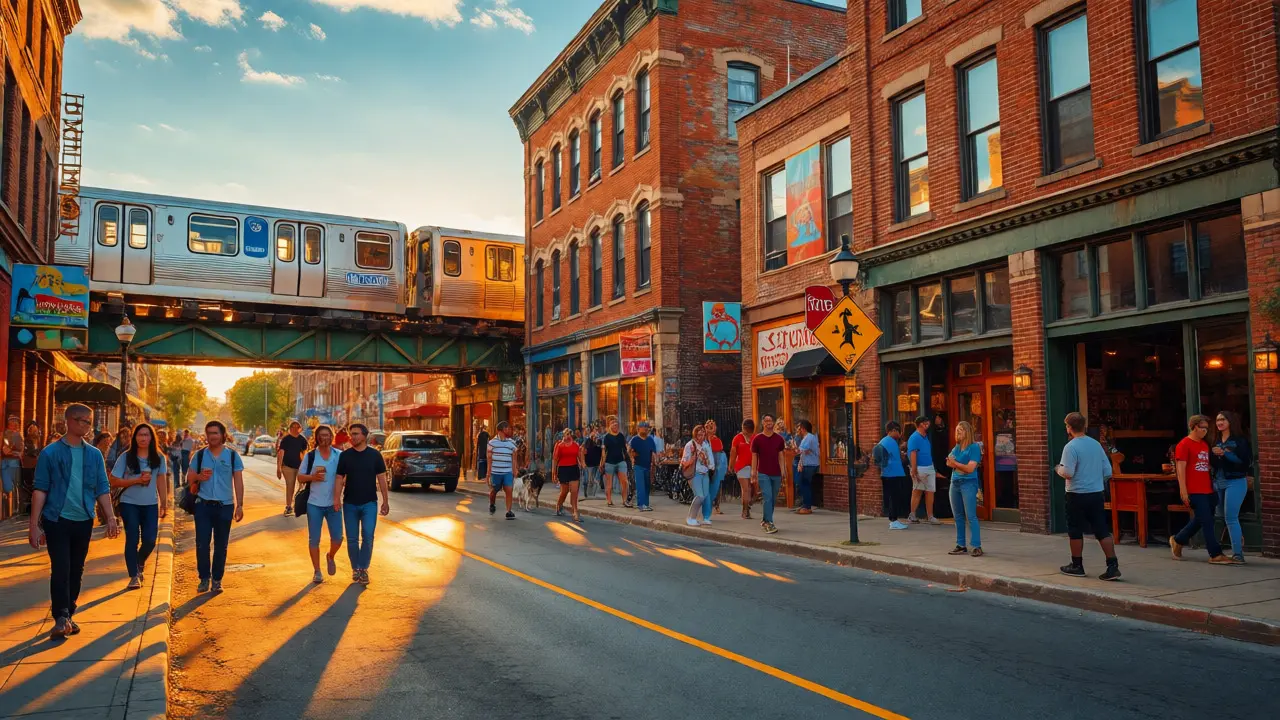
West Side: The Best Bang for Your Buck
This is where the value lives. Logan Square used to be the undisputed king of hipster affordability. It’s still great, but prices have caught up. You’re now paying similar rents to the North Side for a grittier, more industrial vibe. However, the social scene is unmatched. If you want to meet people easily, go here. The Blue and Brown lines connect you everywhere. Just beware: noise levels are high. Bars on Milwaukee Avenue don’t shut up until 2 AM. If you’re a light sleeper, buy earplugs or negotiate a unit away from the street.
Look slightly further west to Humboldt Park. It borders Logan Square but offers more space for less money. The park itself is huge and well-maintained. The Puerto Rican cultural influence is strong, meaning amazing bakeries and vibrant festivals. Transit is good via the Humboldt Park Green Line stop. The catch? Some blocks are rougher than others. Walk around at night before signing. Stick to the east side of the park for better safety and amenities.
For pure value, consider Belmont Cragin or Irving Park. Irving Park is often overlooked. It has its own Blue Line branch, meaning no transfers to downtown. Rents are 15-20% lower than Logan Square. The neighborhood is working-class, stable, and has a growing number of craft breweries. It’s not trendy, but it’s practical. If you want a yard or a bigger kitchen without breaking the bank, this is your zone.
South Side: Underrated Gems and Student Hubs
Many renters avoid the South Side due to outdated stereotypes or fear. Don’t. Areas like Hyde Park and Washington Park offer incredible value. Hyde Park is home to the University of Chicago. It feels like a college town within a big city. The Midway Plaisance is a beautiful linear park connecting to Washington Park. Rents are reasonable ($1,600-$1,900 for a 1BR). The Green Line gets you downtown in 30 minutes. The downside? It’s far from the West/North sides. If you work in Fulton Market, you’re spending an hour each way commuting.
Pilsen is another standout. It’s artsy, walkable, and has some of the best tacos in the city. The Pink and Orange lines serve it. It’s closer to downtown than Hyde Park, making it better for Loop workers. Gentrification is rapid here, so inventory moves fast. Sign quickly if you see a deal. The area is safe during the day but can feel isolated at night on certain blocks. Stick to the main corridors (18th St, 16th St) for better foot traffic and lighting.
How to Spot a Good Deal vs. a Trap
Chicago landlords vary wildly. To avoid disasters, follow this checklist during viewings:
- Check the Water Pressure: Turn on the shower. If it’s weak, you’ll hate winter mornings. Old pipes are common.
- Test the Windows: Open and close them. Do they stick? Are the seals intact? Drafty windows mean higher heating bills.
- Ask About Pest History: Ask directly: "Have there been bedbug or roach issues in the last year?" Get it in writing if possible.
- Inspect the Basement: If it’s a basement unit, check for mold smell and window wells. Flood risk is real in heavy rain seasons.
- Verify Internet Options: Not all buildings allow fiber internet. If you work remotely, confirm Comcast/Xfinity or Fiber availability before signing.
Also, watch out for "luxury" labels. In Chicago, "luxury" often just means a dishwasher and granite countertops. It doesn’t always mean security guards or concierge services. Read the lease terms on amenity usage. Sometimes the gym or roof deck requires separate registration or has limited hours.
Final Thoughts: Matching Neighborhood to Lifestyle
There is no single "best" neighborhood. There is only the best neighborhood for you. If you value silence and space, choose Roscoe Village or Albany Park. If you crave energy and convenience, pick Logan Square or Wicker Park. If you want culture and history on a budget, Uptown or Pilsen are winners.
Remember, the market shifts. What was cheap two years ago might be overpriced now. Always calculate your total monthly burden, not just the sticker rent. Drive or take the train from your potential apartment to your workplace during rush hour. Test the commute. Then decide.
Which Chicago neighborhood is safest for renters?
Safety varies block-by-block, but generally, Lincoln Park, Andersonville, and Edison Park consistently rank highest for low crime rates. Always check specific block data on the Chicago Police Department's CLEAR system before signing a lease, as trends change rapidly.
Do I need a car to live in Chicago?
No, if you live near a major 'L' train line (Red, Blue, Brown, Green, Orange, Pink, Purple). Most popular neighborhoods listed above are transit-accessible. However, owning a car adds $200-$300/month in insurance and parking costs. Many renters sell their cars to save money and rely on rideshares for occasional trips.
What is the average utility cost in Chicago apartments?
Expect to pay $100-$150/month for electricity and gas combined in summer, rising to $200-$300 in winter if you pay for heat. Water/sewer/trash usually adds $50-$80/month unless included in rent. Internet averages $60-$80/month. Budget roughly $250-$400/month total for utilities depending on building efficiency.
Is it easy to find a roommate in Chicago?
Yes, Chicago has a robust roommate culture. Facebook groups like "Chicago Roommates" and platforms like SpareRoom are active. Neighborhoods like Logan Square and Wicker Park have high turnover, making it easier to find compatible roommates who share similar lifestyles and budgets.
What should I know about Chicago winters when renting?
Insulation matters. Older brick buildings can be cold. Look for double-pane windows. Also, ensure the building has reliable snow removal services for sidewalks and entrances. Liability falls on the property owner, but poor access can impact your daily life. Check reviews specifically mentioning "heat" or "drafts."