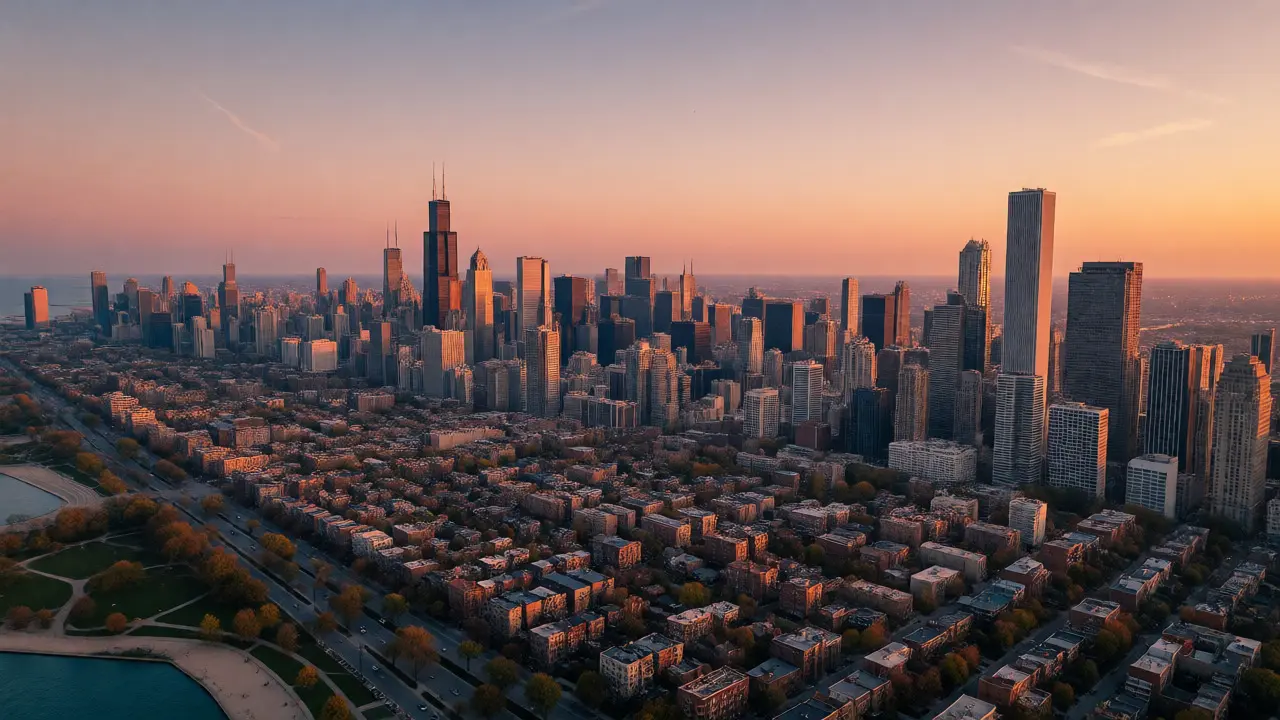
Thinking about moving to the Windy City but worried about where you'll actually feel safe? You're not alone. Chicago is a massive metropolis with 77 distinct community areas, and its reputation for crime often overshadows the fact that many of its neighborhoods are quieter than suburbs in other major cities. The truth is, crime in Chicago isn't spread evenly like butter on toast; it's highly concentrated. Understanding this distribution is the single most important step before signing a lease or buying a home.
This guide breaks down the Chicago crime landscape as of late 2026, helping you distinguish between headlines and reality. We'll look at which areas have seen significant improvements, which ones still pose challenges, and how to interpret local data so you don't get scared off by outdated stereotypes.
The Big Picture: How Chicago Compares
First, let's clear up the biggest misconception. When people hear "Chicago," they often picture high-crime zones everywhere. But when you compare violent crime rates per capita, several Chicago neighborhoods rank safer than average US cities. According to recent FBI Uniform Crime Reporting (UCR) data and local Chicago Police Department (CPD) reports, the city's overall violent crime rate has fluctuated over the last decade but remains lower than cities like Memphis, Baltimore, or Detroit.
The key takeaway? Location matters more than the city name. A block in Lincoln Park behaves differently than a block in Englewood, even if they're both technically "Chicago." Your safety depends heavily on the specific micro-neighborhood, time of day, and proximity to transit hubs.
Understanding the Data: What Counts as Crime?
Before diving into maps, you need to know what you're looking at. Crime stats usually split into two buckets:
- Violent Crime: Murder, rape, robbery, and aggravated assault. This is what keeps people awake at night.
- Property Crime: Burglary, theft, motor vehicle theft, and arson. This affects your wallet and peace of mind regarding your car or bike.
In 2025-2026 trends, property crime has remained relatively stable in affluent areas, while violent crime has shown slight decreases in historically high-risk zones due to targeted community violence intervention programs. However, auto theft remains a persistent issue across all neighborhoods, especially for luxury vehicles.
Safest Neighborhoods: Where Peace Meets Prestige
If you're prioritizing low crime rates above all else, certain areas consistently outperform others. These neighborhoods typically feature higher median incomes, strong community policing initiatives, and active neighborhood watch groups.
| Neighborhood | Primary Vibe | Safety Factor | Best For |
|---|---|---|---|
| Lincoln Park | Urban-suburban hybrid | Very Low Violent Crime | Families, Professionals |
| Edison Park | Quiet residential | Extremely Low Crime | Retirees, Families |
| Forest Glen | Suburban feel within city | Low Property & Violent Crime | Long-term Residents |
| Norwood Park | Diverse, family-oriented | Below City Average | Middle-Class Families |
| Streeterville | Luxury downtown living | High Security Presence | Young Professionals, Tourists |
Lincoln Park often tops these lists. It’s wealthy, walkable, and heavily patrolled. You’ll see less petty theft here because residents invest in security systems and community engagement. Similarly, Edison Park in the far north side feels more like a suburb than a city block. It’s quiet, tree-lined, and rarely makes the news for anything other than school board meetings.
Moderate Risk: Urban Core and Emerging Areas
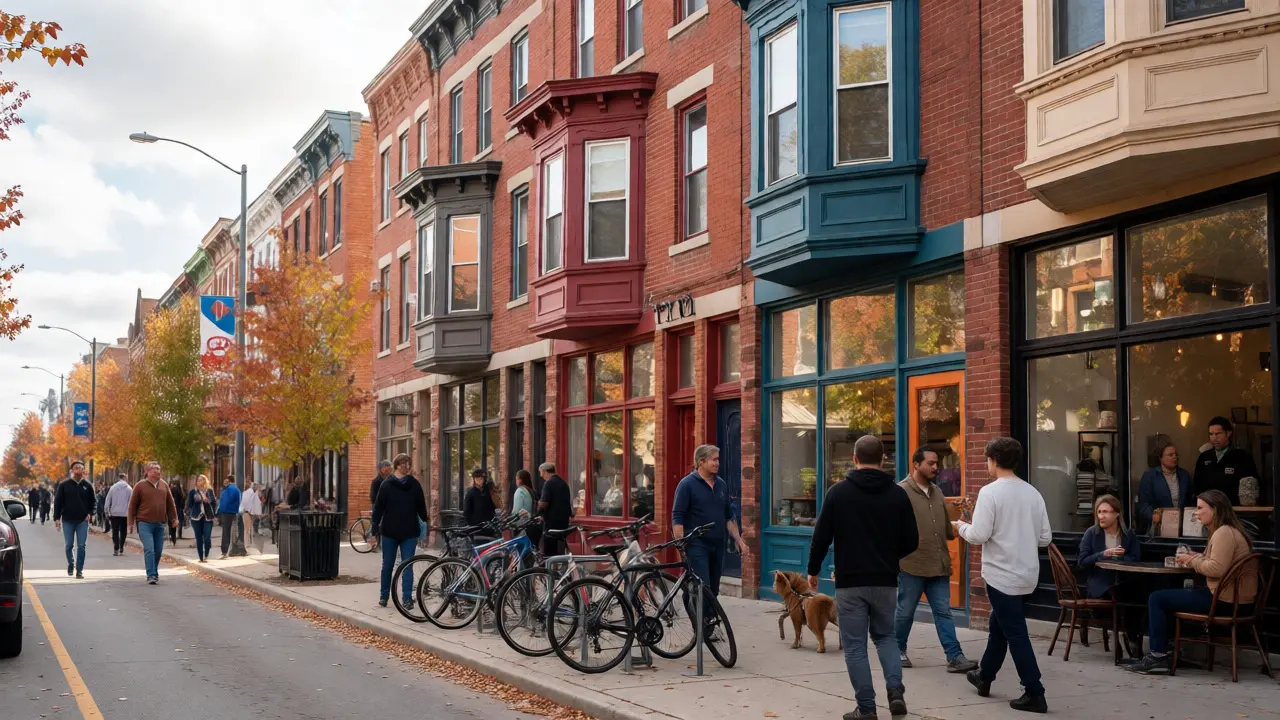
Not everyone wants the quiet life. Many prefer the energy of the city center or up-and-coming districts. These areas aren't "dangerous" in the traditional sense, but they require situational awareness.
The Loop and Near North Side are bustling with tourists and commuters. While violent crime is generally low during the day, pickpocketing and phone snatching can occur near crowded transit stations like Clark/Lake. At night, deserted blocks away from main streets can feel isolated. Always stick to well-lit, populated routes.
Areas like Logan Square and Bucktown have transformed dramatically over the past decade. They were once rougher edges of the city, now hipster havens. Crime rates dropped significantly as gentrification brought new businesses and police attention. However, rapid change can sometimes lead to friction. Property crime, particularly bike theft, remains high here simply because there are so many bikes.
High Caution Zones: Navigating Historic Challenges
Certain community areas face systemic challenges that impact safety metrics. This doesn't mean every block is unsafe, but visitors and new residents should exercise heightened caution.
On the South and West sides, neighborhoods like Englewood, Austin, and Humboldt Park (parts) have historically higher rates of violent crime. Factors include economic disinvestment, limited public transportation options, and underfunded social services. Yet, these communities also boast incredible resilience, cultural richness, and strong neighborly bonds.
If you're visiting or considering a move here, talk to locals. Ask specific questions: "Which corners do I avoid after dark?" rather than "Is this area safe?" Because the answer varies block by block. For instance, parts of Humboldt Park near the boulevard are vibrant and safe, while deeper residential pockets may require more vigilance.
How to Check Real-Time Safety
Don't rely solely on annual reports. Use these tools for current insights:
- City of Chicago Data Portal: Provides raw CPD incident data updated daily. Filter by zip code or ward.
- CrimeGrade.org: Aggregates data into easy-to-read grades for specific addresses.
- Nextdoor App: See what neighbors are reporting *today*. Is there a spike in porch pirates? A suspicious person reported twice this week?
- Local News Outlets: Sites like Block Club Chicago cover hyper-local issues better than national media.
Remember, one bad incident doesn't define a neighborhood. Look for trends over six months, not just yesterday's headline.
Practical Safety Tips for Chicago Residents
Regardless of where you live, common-sense strategies reduce risk significantly in any urban environment.
- Transit Awareness: On the CTA Blue Line, keep valuables hidden. Auto theft spikes in parking lots at stations like O'Hare and Midway.
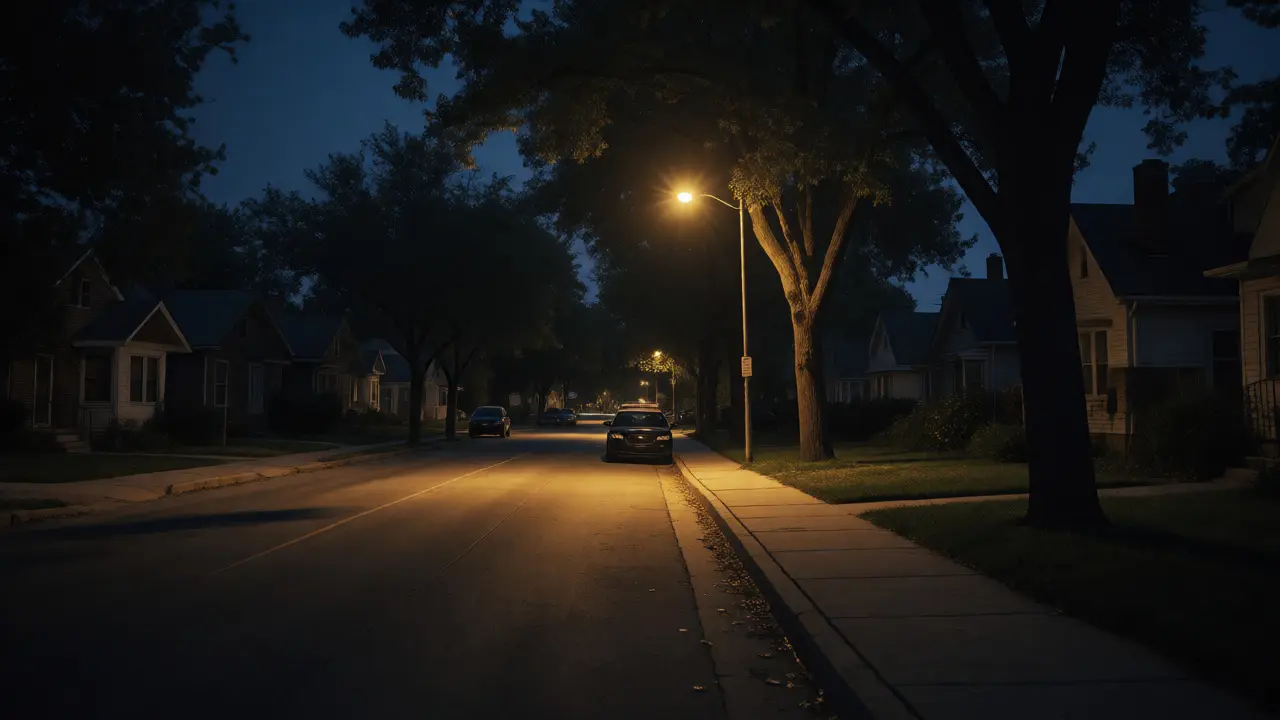
- Lighting Matters: If a streetlight is out, report it via the 311 app. Dark spots attract opportunistic crime.
- Community Engagement: Join your local Block Club. Knowing your neighbors creates a natural surveillance network that cameras can't replicate.
- Vehicle Security: Never leave laptops or bags visible in cars. Chicago drivers are savvy, but smash-and-grab incidents happen quickly.
The Future Outlook: 2026 and Beyond
As we move through 2026, Chicago continues investing in community-based violence reduction programs. Initiatives like Cure Violence have shown promise in reducing retaliatory shootings. Additionally, increased funding for mental health services and youth outreach aims to address root causes rather than just symptoms.
For potential movers, this means stability is improving in previously volatile areas. However, always visit at different times-daytime, evening, weekend-to get a true feel for the vibe. Safety is subjective, but data gives you the framework to make an informed choice.
Is Chicago really dangerous to visit?
For tourists staying in central areas like the Magnificent Mile, River North, or Streeterville, Chicago is comparable to other major US cities. Stick to tourist zones, use rideshares at night, and be aware of your surroundings, and you'll likely have no issues. Most crime occurs in non-tourist-heavy residential areas.
Which Chicago neighborhood has the lowest crime rate?
Historically, Edison Park and Forest Glen on the Far North Side report the lowest violent and property crime rates. These areas are residential, affluent, and have strong community policing structures. Lincoln Park also ranks very high for safety despite being more urban.
Does gentrification improve safety in Chicago?
Generally, yes. As investment flows into neighborhoods like Logan Square or Pilsen, property values rise, businesses open, and police presence often increases. This tends to lower violent crime rates. However, it can also displace long-time residents, creating social tension that requires careful community management.
Are CTA trains safe at night?
CTA trains are generally safe, especially on popular lines like the Red and Brown Lines. However, empty cars or deserted stations late at night can feel uncomfortable. Sit near the conductor or in well-lit cars. Avoid isolated bus stops late at night if possible.
Where is the highest crime in Chicago?
The highest concentrations of violent crime are found in specific parts of the South and West Sides, including Austin, Englewood, East Garfield Park, and Washington Park. These areas struggle with economic disparities, though localized efforts are actively working to improve conditions.