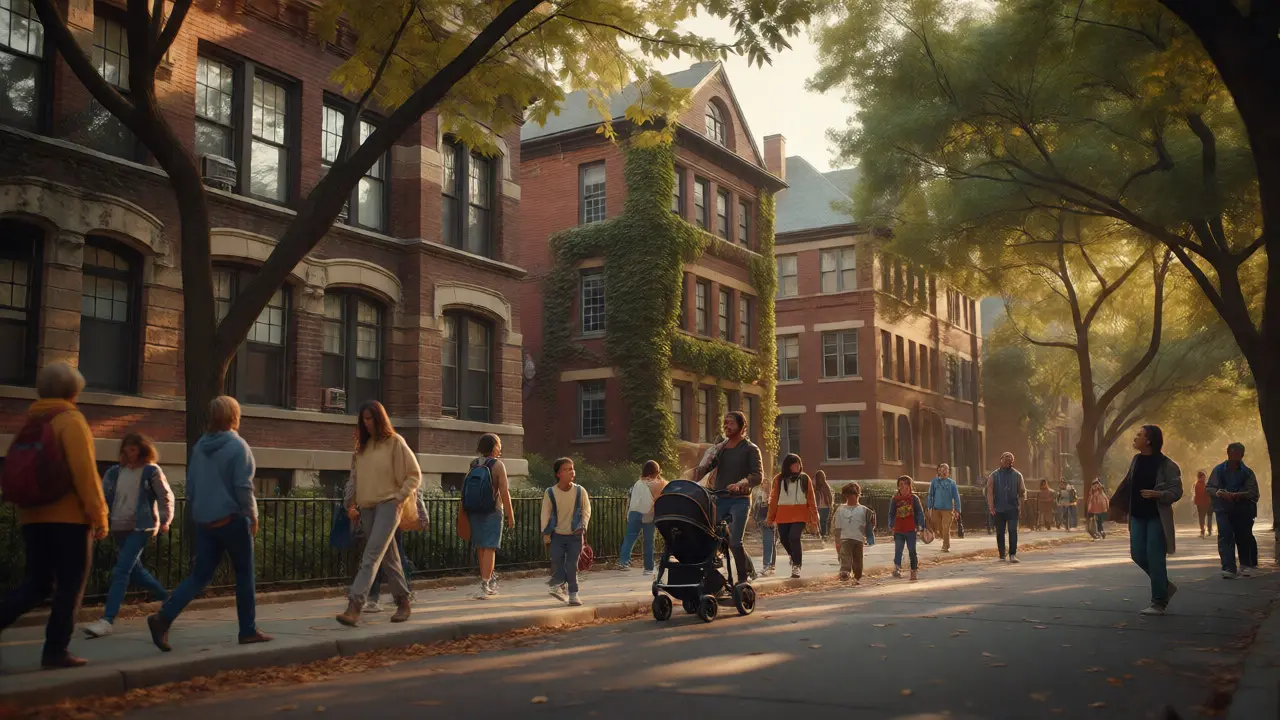
Choosing a school for your child in Chicago is less about picking the "best" institution and more about finding the right fit for your family's specific values, budget, and educational philosophy. With over 500 public schools and a robust network of private institutions, parents often feel overwhelmed by the sheer volume of options. Do you want rigorous academic preparation for college? Or perhaps a progressive approach that prioritizes social-emotional learning? The Chicago Public Schools (CPS) system offers magnet and charter programs, but many families look beyond these boundaries to find smaller class sizes, specialized curricula, or religious affiliations.
This guide cuts through the noise. We aren't just listing names; we are breaking down the landscape of private education in Chicago into manageable categories. Whether you are looking for a traditional prep school on the North Side or a Montessori program in Hyde Park, understanding the structural differences between these entities is the first step toward a successful enrollment.
Understanding the Landscape: Types of Private Institutions
Before diving into specific schools, it helps to categorize what exists. In Chicago, the private sector isn't monolithic. It splits into three main buckets, each with distinct operational models and funding structures.
- Independent Non-Profit Schools: These are the classic "prep" schools. They operate independently of any church or government body. Think of institutions like Latin School of Chicago or Francis W. Parker School. Their primary goal is holistic development, combining strong academics with arts and athletics. Tuition is high, but they often have substantial endowments that fund financial aid.
- Parochial and Religious Schools: This is the largest segment of private education in the city. From Catholic archdiocesan schools to Jewish day schools and Islamic academies, these institutions integrate faith-based instruction with standard curriculum. Because they receive some support from their religious dioceses or communities, tuition is often lower than independent schools, making them accessible to a broader demographic.
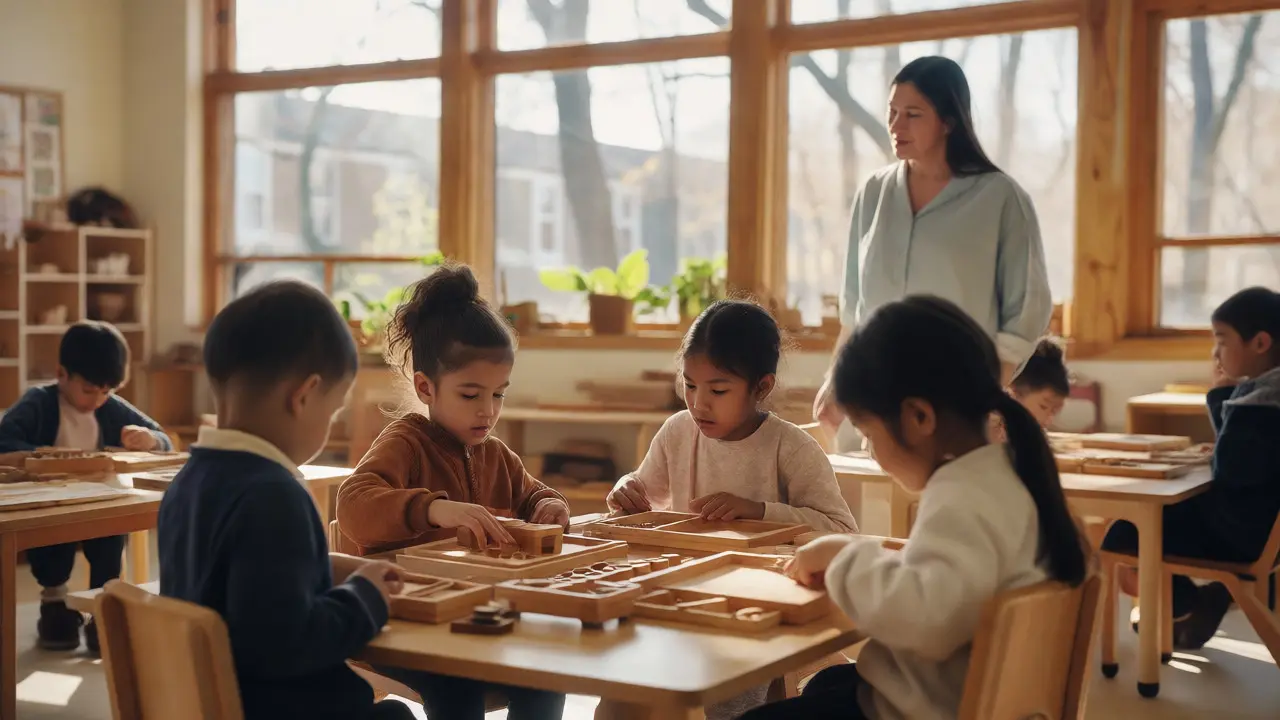
- Boutique and Alternative Programs: These are smaller, niche schools focusing on specific pedagogies like Montessori, Waldorf, or Reggio Emilia. Examples include Chicago Lab Schools (affiliated with the University of Chicago) or various Montessori centers across neighborhoods like Lincoln Park and Evanston. These schools appeal to parents who want an educational philosophy that differs significantly from traditional lecture-based teaching.
Cost vs. Value: Decoding Tuition and Financial Aid
Let's talk numbers, because this is usually the biggest barrier. As of 2026, average tuition for independent private schools in Chicago ranges from $25,000 to $45,000 per year for K-8, and up to $50,000+ for high school. But sticker price is rarely what you pay.
Most reputable independent schools offer need-based financial aid. For instance, top-tier schools like North Shore Country Day School or University High School have dedicated funds ensuring that admitted students can attend regardless of income. When evaluating cost, always ask two questions during tours: "What percentage of students receive aid?" and "Is there a merit scholarship component?"
| School Type | Average K-8 Tuition | Average High School Tuition | Financial Aid Availability |
|---|---|---|---|
| Independent Prep | $30,000 - $45,000 | $40,000 - $55,000 | High (Need-Based) |
| Catholic/Parochial | $10,000 - $18,000 | $12,000 - $20,000 | Moderate (Diocesan Support) |
| Montessori/Alternative | $20,000 - $35,000 | $25,000 - $40,000 | Variable (Often Limited) |
| Charter (Tuition-Free)* | $0 | $0 | N/A |
*Note: While technically public, charters function as an alternative to neighborhood CPS schools and compete directly with private options for enrollment.
Location Matters: Neighborhoods and Commute Realities
Chicago is a massive city, and a school's location dictates your daily life. If you live in Rogers Park, sending your kid to a school in Hyde Park means an hour-long commute each way via the Red Line. That time adds up fast when you factor in homework and extracurriculars.
Parents should consider proximity not just for convenience, but for community building. Schools serve as social hubs. If you choose a school far from your home, you might miss out on after-school playdates and parent networking opportunities that happen naturally within walking distance. Many families prioritize schools within a 20-minute drive or transit ride. Areas like Lakeview, Lincoln Park, and Edgewater have high concentrations of private options, while neighborhoods like Bridgeport or Pilsen may require traveling to nearby areas for similar offerings.
Pedagogy Deep Dive: Finding Your Educational Match
Not all private schools teach the same way. Identifying your child's learning style is crucial. Here is how the major approaches differ:
- Traditional Academic Focus: Schools like St. Ignatius College Prep emphasize classical liberal arts, Latin, and rigorous testing preparation. Ideal for kids who thrive on structure and clear benchmarks.
- Progressive/Holistic: Institutions such as City Colleges of Chicago Laboratory Schools or Morgan Park Academy focus on critical thinking, project-based learning, and student autonomy. Less emphasis on rote memorization, more on application.
- Specialized Niches: Some schools cater to specific needs. For example, schools specializing in STEM might partner with local tech firms for internships, while arts-focused academies provide conservatory-style training alongside core subjects.
The Admissions Process: Timing and Strategy
Admissions in Chicago are competitive, especially for popular independent schools. The timeline typically starts early. For K-1 entry, applications often open in September and close by January of the preceding year. For upper grades, rolling admissions are common, but spots fill quickly.
Here is a typical strategy for success:
- Research Early: Start visiting schools 12-18 months before the desired start date.
- Prepare Documents: Gather transcripts, teacher recommendations, and standardized test scores (if required). Note that many Chicago private schools have moved away from mandatory SSAT/ISEE tests, opting instead for internal assessments.
- Engage with Community: Attend open houses. Talk to current parents. Ask tough questions about culture and retention rates.
- Apply Broadly: Apply to at least three schools: one reach, one match, and one safety. Don't put all eggs in one basket.
Alternatives to Traditional Private Schools
If the cost or structure of traditional private schools doesn't work, don't ignore other viable paths. Chicago has a unique ecosystem of alternatives that blur the line between public and private.
Charter Networks: Organizations like KIPP Chicago or Urban Prep Academies offer college-preparatory curricula with strict disciplinary codes and extended school days. They are tuition-free but require active parental involvement.
Magnet and Selective Enrollment: Within the CPS system, selective enrollment high schools like Whitney M. Young Magnet or Payton College Preparatory High School offer elite academic experiences without tuition costs. Admission is based on test scores and GPA, creating a highly competitive environment similar to private prep schools.
Homeschooling Co-ops: For families seeking maximum flexibility, co-ops allow children to take classes together while parents handle the core curriculum. This hybrid model provides social interaction with the autonomy of home education.
Final Thoughts: Trust Your Gut
Data and rankings matter, but so does instinct. Visit the campus. Watch how teachers interact with students. Listen to the tone of voice in the hallways. Does the environment feel safe? Is it stimulating? The "right" school is the one where your child feels seen and challenged. In a city as diverse as Chicago, you have the luxury of choice. Use it wisely.
Are private schools in Chicago better than public schools?
Not necessarily. While private schools often boast higher graduation rates and college acceptance stats, they also select for motivated families and have fewer regulatory constraints. Top-tier Chicago Public Schools (CPS), particularly selective enrollment high schools, frequently outperform many private institutions in academic metrics. The "better" option depends entirely on your child's specific needs and your family's resources.
How much does it cost to send a child to private school in Chicago?
Costs vary widely. Parochial schools may range from $10,000 to $20,000 annually, while independent prep schools can cost between $30,000 and $55,000 per year. Additional fees for uniforms, books, technology, and extracurricular activities can add another $1,000-$3,000 annually. Most independent schools offer need-based financial aid that can significantly reduce this burden.
Do private schools in Chicago require standardized tests?
Requirements are changing. Historically, tests like the ISEE or SSAT were mandatory for admission to independent schools. However, many Chicago institutions have adopted test-optional policies, relying instead on report cards, teacher evaluations, and internal entrance exams. Always check the specific admissions policy of each school, as it varies by grade level and institution.
Can I transfer my child to a private school mid-year?
Yes, but availability is limited. Mid-year transfers depend entirely on whether a seat opens up due to a family leaving. It is advisable to contact the admissions office directly rather than applying through the standard cycle. Be prepared for potential curriculum gaps, as pacing may differ between schools.
What is the difference between a charter school and a private school?
Charter schools are publicly funded and free to attend, operating under a contract with the state or district. They are held to public accountability standards. Private schools charge tuition and operate independently of government funding, giving them more freedom in curriculum and hiring but less public oversight. Both are considered "alternative" to traditional neighborhood CPS schools.