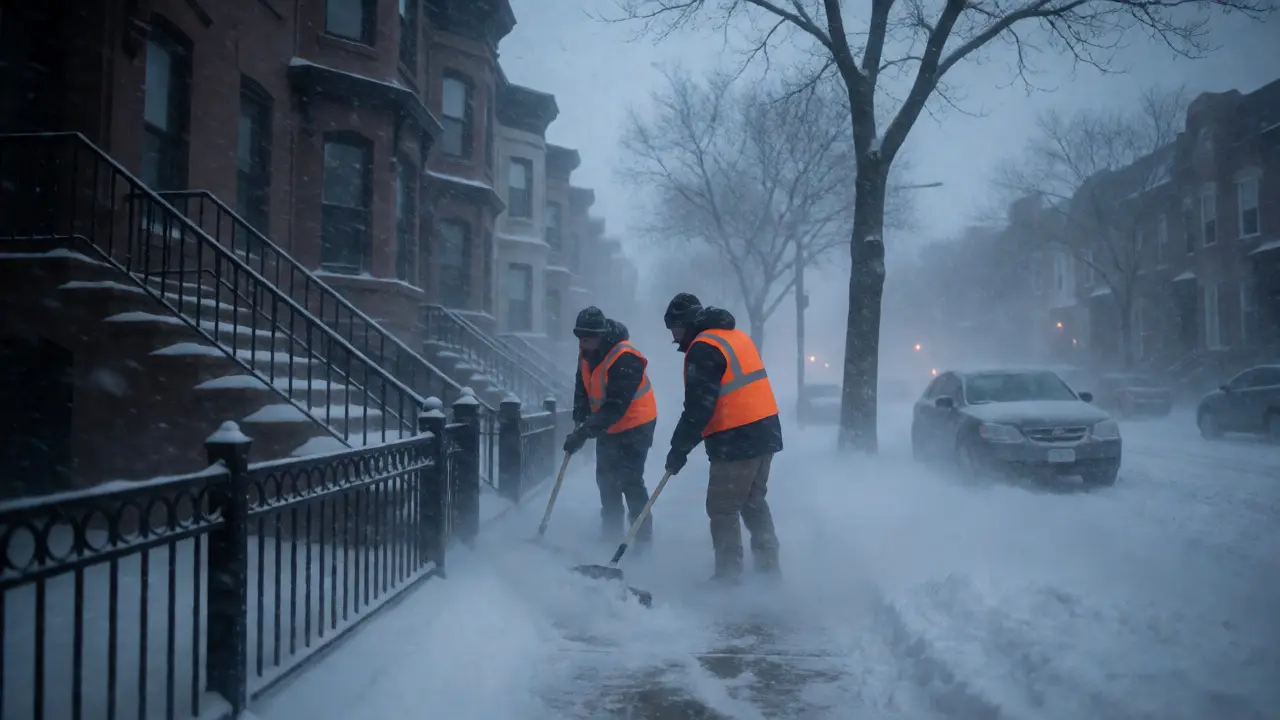
Chicago gets hit hard by extreme weather. We’re talking blizzards that shut down the L train for days, summer heatwaves that turn apartments into ovens without AC, and flash floods that turn streets into rivers. When these events happen, city resources get stretched thin fast. That’s where you come in. Disaster response volunteering isn’t just about showing up with a shovel; it’s about being trained, registered, and ready to act when your neighborhood needs help most.
You might think you need to be a firefighter or an EMT to make a difference. You don’t. What you need is basic knowledge of how emergencies work in Cook County and a way to get on the radar of local coordinators. This guide breaks down exactly how to join the ranks of organized volunteers in Chicago, what training you actually need, and how to avoid the chaos of spontaneous volunteering during a crisis.
Why Organized Volunteering Beats Spontaneous Help
We’ve all seen the news clips: well-meaning people driving to disaster zones with boxes of water, only to clog roads meant for ambulances. In Chicago, this happens often after major storms. The city relies on structured systems like the Chicago Office of Emergency Management and Communications (OEMC) to coordinate aid. If you show up unannounced, you become part of the problem, not the solution.
Organized volunteering ensures three things:
- Safety: You know how to handle debris, downed power lines, and medical basics.
- Coordination: You report to a specific command center rather than wandering aimlessly.
- Impact: Your skills are matched to actual gaps, whether that’s checking on elderly neighbors or clearing sidewalks.
The goal is to move from "I want to help" to "I am deployed." It sounds bureaucratic, but it saves lives.
Understanding CERT: Your Entry Point
The gold standard for civilian disaster preparation in the US is Community Emergency Response Team (CERT) training. Think of CERT as boot camp for everyday citizens. It teaches you fire suppression basics, light search and rescue techniques, and disaster medical operations. You don’t need prior experience.
In Chicago, CERT programs are often run through local community areas or partnered with organizations like the American Red Cross. The training usually spans several weekends or evening sessions over a few weeks. Here’s what you typically learn:
- Disaster Preparation: How to create a family communication plan and build a go-bag.
- Firesafe: Using extinguishers and understanding fire behavior.
- Medical Operations: Triage, bandaging, and treating shock.
- Search and Rescue: How to safely enter damaged structures and lift heavy objects.
- Team Organization: How to work within an Incident Command System (ICS) structure.
Completing CERT certification puts you in a database that first responders trust. When a tornado hits the South Side, they’ll call certified volunteers before they ask random passersby.
Where to Sign Up and Train in Chicago
Signing up isn’t a single button click. It depends on which agency aligns with your schedule and location. Here are the primary channels for getting involved:
| Organization | Primary Focus | Training Type | Best For |
|---|---|---|---|
| American Red Cross Greater Chicago Area | Shelter management, blood drives, health services | Certified courses, online modules | Those interested in humanitarian aid and shelter support |
| Chicago Fire Department (CFD) Community Programs | CERT training, CPR/AED certification | In-person workshops, multi-week courses | Residents wanting hands-on technical skills |
| Volunteer Center of Illinois | Matching volunteers with non-profits during crises | Orientation webinars, skill assessments | People who want flexible, task-based opportunities |
| Neighborhood Emergency Teams (NET) | Hyper-local block club coordination | Short workshops, tabletop exercises | Residents focused on their immediate street or block |
Start with the City of Chicago’s Prepare website. It lists upcoming CERT classes by zip code. Don’t skip the CPR/AED certification if it’s offered-it’s often bundled with disaster training and is useful year-round, not just during hurricanes.
The Logistics of Being "On Call"
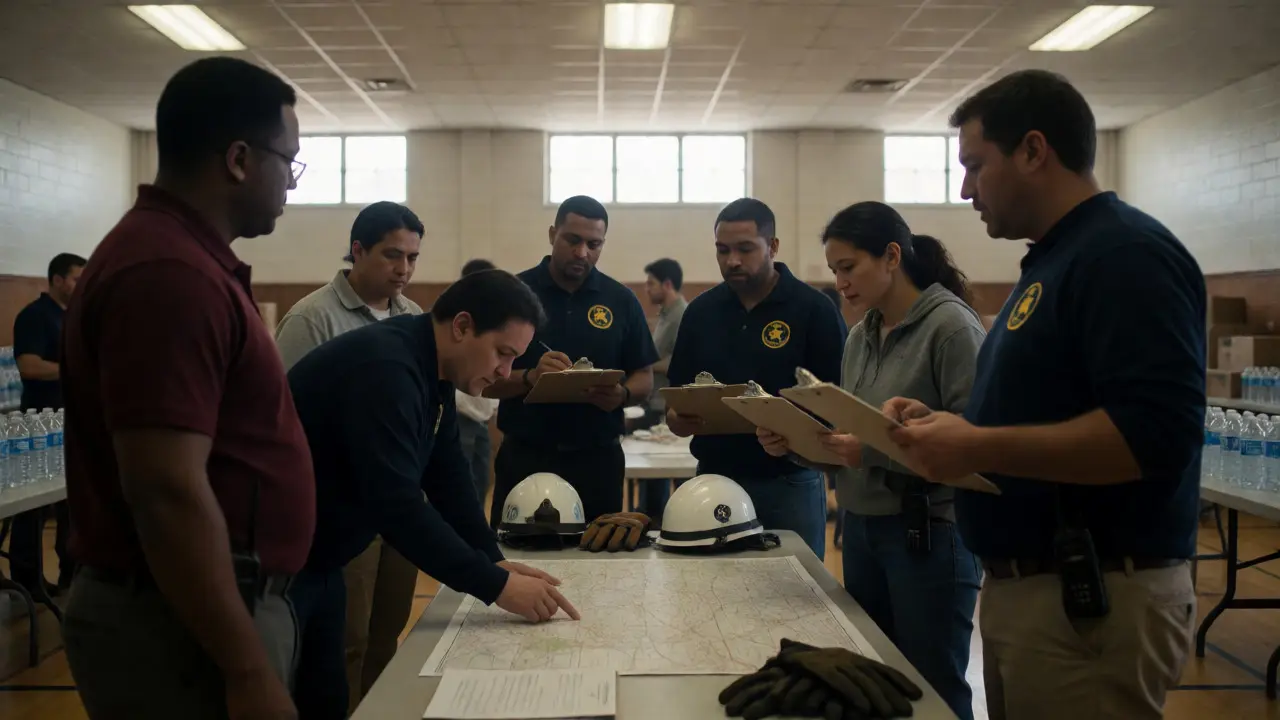
Once you’re trained, how do you actually get called out? Most Chicago neighborhoods use digital platforms for deployment. During a major event, the OEMC or local ward offices will send alerts via text or email to registered volunteers. You won’t always get a siren going off in your living room; sometimes it’s a quiet notification asking for two people to check on seniors in a specific high-rise.
Here’s the reality of the commitment:
- Availability Windows: You’ll likely be asked to specify times you can respond. Weekends and evenings are high-demand periods.
- Transportation: Public transit stops during severe weather. You need a car, bike, or willingness to walk long distances.
- Gear: Bring your own helmet, gloves, sturdy boots, and flashlight. Volunteers rarely have access to supply caches immediately.
A common mistake is assuming you’ll be deployed instantly. In the first 24-48 hours of a major disaster, professional first responders handle life-saving tasks. Volunteers usually activate in the recovery phase-clearing trees, distributing supplies, or staffing shelters.
Specialized Roles Beyond Basic Cleanup
If you have specific skills, you can bypass some general labor roles. Chicago’s disaster network values specialized expertise highly. Consider these niches:
Language Access: With large Spanish, Polish, Chinese, and Arabic-speaking communities, bilingual volunteers are critical for translating instructions at shelters or helping non-English speakers navigate insurance claims.
Mental Health First Aid: Post-disaster stress is real. If you have a background in counseling or social work, look for training in Psychological First Aid. This allows you to provide emotional support without needing to be a licensed therapist.
Pet Care: Many residents refuse to evacuate because of pets. Volunteers trained in animal handling can help transport pets to temporary shelters, ensuring owners leave unsafe buildings.
To leverage these skills, mention them explicitly during your registration process. A generic profile says "I can help." A detailed profile says "I speak fluent Mandarin and have a valid driver’s license," which makes you infinitely more deployable.
Common Pitfalls to Avoid
Even trained volunteers make mistakes. Here’s how to stay effective:
- Don’t Go Alone: Always work in pairs or teams. Buddy systems prevent injuries and keep morale high.
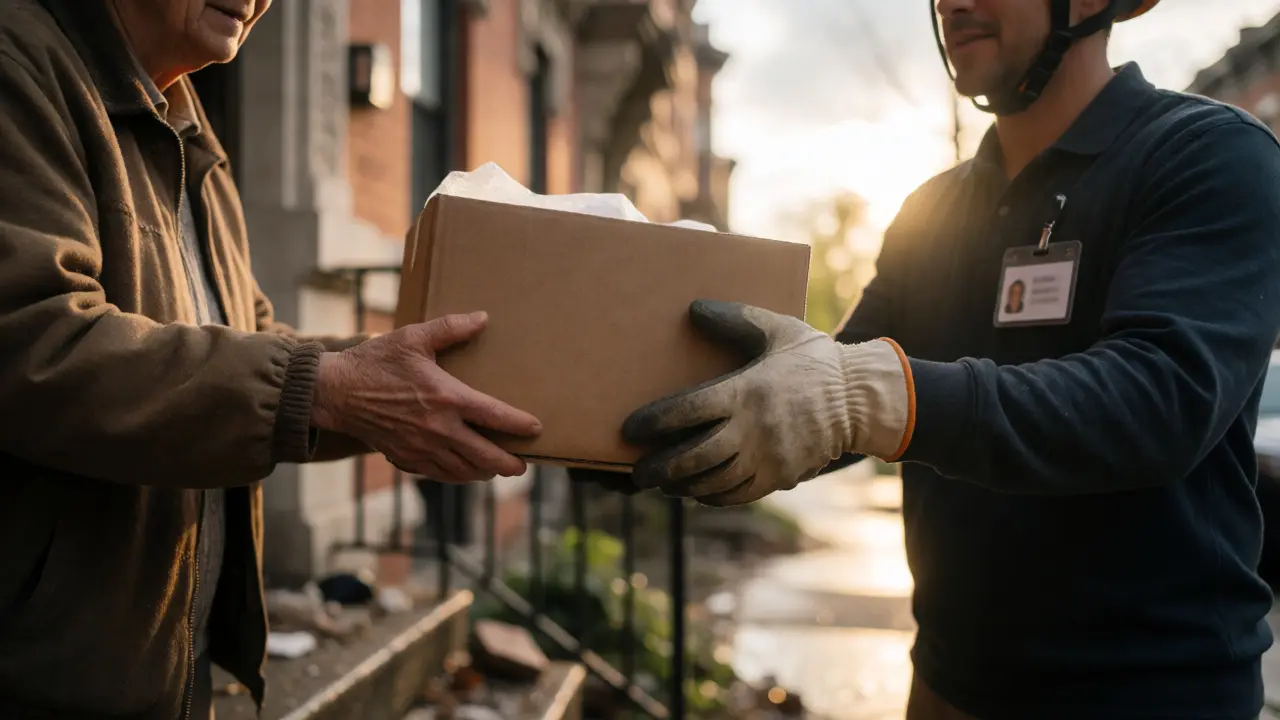
- Respect Privacy: When entering homes to check on residents, wear visible ID badges. Ask permission before moving belongings.
- Manage Expectations: You cannot save everyone. Accept that you might only clear one driveway or deliver one meal. Small actions add up.
- Stay Hydrated and Fed: Disasters disrupt food chains. Eat before you go out. Dehydration impairs decision-making faster than you think.
Also, beware of "voluntourism." This happens when people treat disaster zones like photo ops. Keep your phone in your pocket unless documenting damage for official records. Focus on the task, not the Instagram story.
Building Long-Term Resilience
Disaster response isn’t just about reacting; it’s about preparing. Once you’re active in the network, you’ll start noticing gaps in your community. Maybe your block lacks a meeting point for evacuations. Maybe the local senior center doesn’t have a backup generator.
Use your volunteer status to advocate for improvements. Attend ward council meetings. Share insights from past deployments. The most resilient neighborhoods in Chicago aren’t the ones with the most money-they’re the ones where neighbors know each other’s names and emergency plans.
Start small. Sign up for a weekend workshop. Buy a proper pair of work gloves. Introduce yourself to your next-door neighbor. These micro-actions build the social fabric that holds together when the winds blow hard.
Do I need to live in Chicago to volunteer?
Generally, yes. Most disaster response efforts are hyper-local. While suburban volunteers sometimes assist in city limits during massive events, proximity matters for rapid deployment. Living within Cook County or adjacent suburbs with easy highway access is usually required for consistent participation.
Is CERT training free in Chicago?
Most CERT courses funded by FEMA grants or local government partnerships are free for residents. However, some private providers or specialized advanced modules may charge a small fee for materials. Check with the Chicago Fire Department or local community centers for current subsidized schedules.
What happens if I can't attend a scheduled training session?
Life happens. Most organizations allow you to reschedule once or twice. If you miss a mandatory module, you may need to retake it. Communication is key-notify the coordinator as soon as possible so they can offer your spot to someone else.
Can teenagers participate in disaster volunteering?
Yes, many programs accept volunteers aged 16 and older with parental consent. Some youth-specific tracks exist for ages 14-15, focusing on lighter duties like sorting donations or assisting with communication tasks rather than heavy physical labor.
How much time does it take to become fully certified?
Basic CERT training typically requires 20-24 hours of instruction, often spread over 4-6 weeks. Additional certifications like CPR/AED add another 4-8 hours. Plan for roughly two months to complete the core requirements while balancing work and personal life.