
Starting a family through adoption or foster care in the Windy City is a rewarding but complex journey. Many prospective parents feel overwhelmed by the maze of paperwork, background checks, and agency choices. You need to know exactly who to call and what to expect before you start. This guide breaks down the specific landscape for families in Cook County and across Illinois.
The process isn't one-size-fits-all. Whether you are looking to adopt an infant from a birth parent or provide a temporary home for a child in state custody, the path differs significantly. Understanding these distinctions saves you months of confusion. We will look at the major players, the legal hurdles, and the practical steps you must take right now.
Key Takeaways
- Foster care in Illinois requires a minimum age of 21 and a stable income, with no strict upper age limit if health permits.
- Adoption timelines vary wildly; private domestic adoptions can take 6-18 months, while public agency adoptions may take longer due to matching complexities.
- Major agencies like Chicago Adoption Society and Illinois Department of Children and Family Services (DCFS) serve different purposes and have distinct application processes.
- You must complete a home study, which includes background checks, financial reviews, and interviews, regardless of your route.
- Financial assistance programs exist for both foster parents and adoptive families to help offset costs.
Understanding the Two Paths: Adoption vs. Foster Care
It is easy to mix up these terms, but they lead to very different outcomes. Foster care is a temporary arrangement where a licensed family provides care for a child whose parents cannot safely raise them. The goal is often reunification with the biological family. If reunification fails, the child may become eligible for adoption, but it is not guaranteed.
Adoption, on the other hand, is permanent. It legally severs the rights of the biological parents and establishes you as the sole legal guardian. In Chicago, most adoptions fall into three categories: private domestic, international, and public agency (often linked to former foster children).
Why does this distinction matter? Because the requirements differ. Foster parents must be willing to work closely with social workers and accept that a child might leave their home after six months. Adoptive parents seek a lifelong commitment. Some families start in foster care hoping to adopt, known as "foster-to-adopt," but they must be prepared for the possibility of separation.
Top Agencies in Chicago and Surrounding Areas
Choosing the right agency is the most critical first step. Each organization has its own culture, waitlists, and specialties. Here are the primary entities you will interact with in the Chicago area.
| Agency Name | Primary Focus | Typical Timeline | Special Notes |
|---|---|---|---|
| Chicago Adoption Society | Private Domestic Adoption | 6-18 Months | Non-profit; strong support network for birth parents and adoptees. |
| Illinois DCFS | Public Foster Care & Adoption | Variable (3-12+ Months) | State-run; handles all state-removed children; higher caseloads per worker. |
| A Better Chance | Older Youth Placement | 4-10 Months | Focuses on teens and older children who are harder to place. |
| Children's Home and Aid | Foster Care & Support Services | 5-12 Months | Largest non-profit in IL; extensive training programs for foster parents. |
Chicago Adoption Society is often the first choice for those seeking a newborn via private means. They handle the legal coordination between birth parents and adoptive families. Their process is structured and supportive, though fees can range from $30,000 to $50,000 depending on circumstances.
If you are open to older children or siblings, look toward A Better Chance. These children often have significant trauma histories, so the agency places heavy emphasis on therapeutic parenting skills. Meanwhile, Children's Home and Aid serves as a massive hub for foster care resources, offering free or low-cost training for new foster parents.
Step-by-Step: Licensing and Home Study Requirements
Regardless of whether you choose foster care or adoption, the home study is the backbone of the process. This is not just a box-checking exercise; it is a deep dive into your readiness to parent.
- Initial Application: Submit forms to your chosen agency. For public foster care, this goes through Illinois DCFS or a contracted non-profit. For private adoption, you apply directly to the agency.
- Preliminary Interview: A social worker meets with you to discuss motivations, expectations, and family dynamics. Be honest here; hiding issues later causes delays.
- Documentation Collection: Gather birth certificates, marriage certificates (if applicable), medical records, and references. You will also need to pay for criminal background checks for every adult in the household.
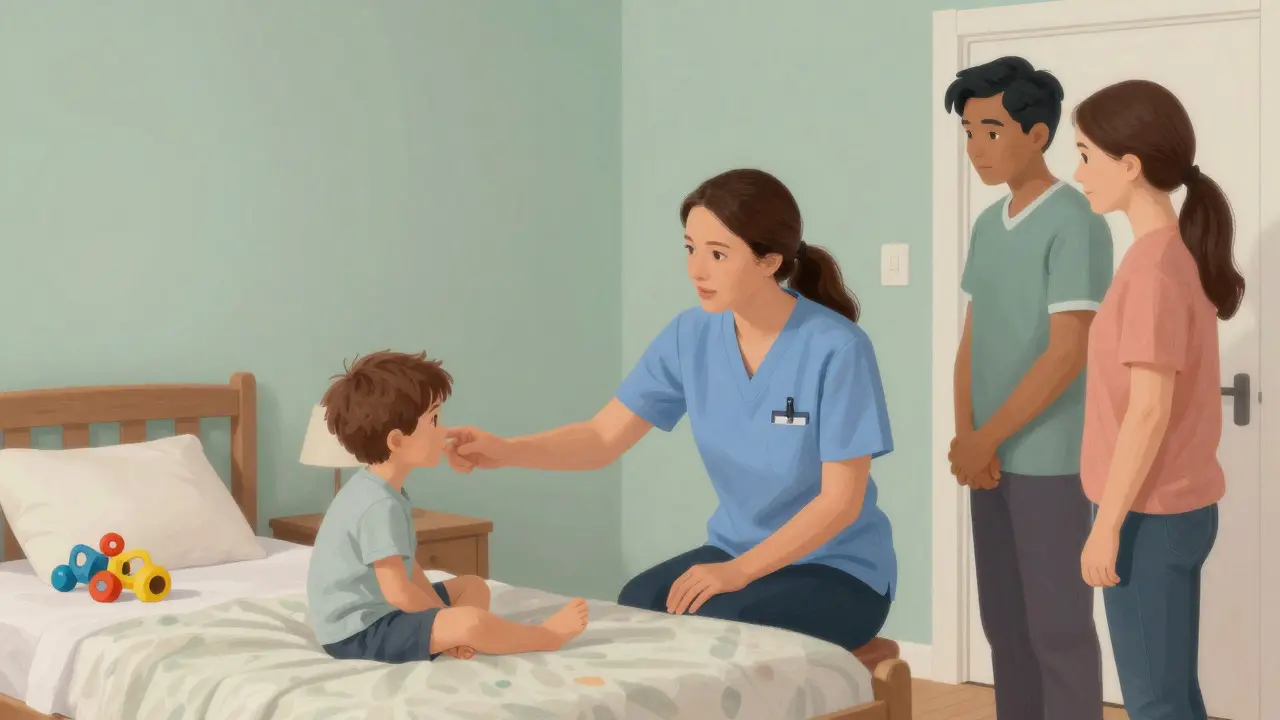
- Home Inspection: The social worker visits your home. They check for safety hazards, adequate sleeping space, and fire safety. Your home does not need to be perfect, but it must be safe.
- Training Completion: Most agencies require 8-12 hours of pre-service training. Topics include child development, trauma-informed care, and legal rights.
- Final Report: The social worker writes a report summarizing your strengths, weaknesses, and suitability. This document accompanies you throughout the placement process.
The entire licensing process typically takes 3 to 6 months. During this time, you are not yet approved to take a child, but you are building your file. Keep copies of everything. Paperwork errors are the number one cause of delays in Chicago.
Financial Considerations and Hidden Costs
Money is a major factor that surprises many families. Public foster care is generally subsidized. The state pays a monthly stipend that covers food, clothing, and activities for the child. In 2026, the average daily rate in Illinois ranges from $50 to $75 per day, depending on the child's age and needs.
Adoption costs are different. Private domestic adoption involves legal fees, agency fees, and potential birth parent expenses. Expect to budget between $30,000 and $60,000. International adoption has dropped in popularity due to high costs ($40,000-$70,000) and long waits, but it remains an option for some.
Here is a quick breakdown of typical expenses:
- Background Checks: $50-$100 per adult.
- Medical Exams: $200-$500 per adult.
- Legal Fees: $2,000-$5,000 for finalization.
- Agency Fees: Varies widely; $15,000+ for private domestic.
Look into tax credits. The federal adoption tax credit allows you to claim up to $15,950 per child in 2026. Additionally, some employers offer adoption benefits similar to parental leave insurance. Always consult a tax professional who specializes in family law.
Navigating Cultural and Geographic Realities in Chicago
Chicago is a diverse city, and your experience will reflect that. If you are adopting internationally, you must navigate cultural integration challenges. If you are fostering locally, you may encounter children from various neighborhoods across the South Side, West Side, or North Side.
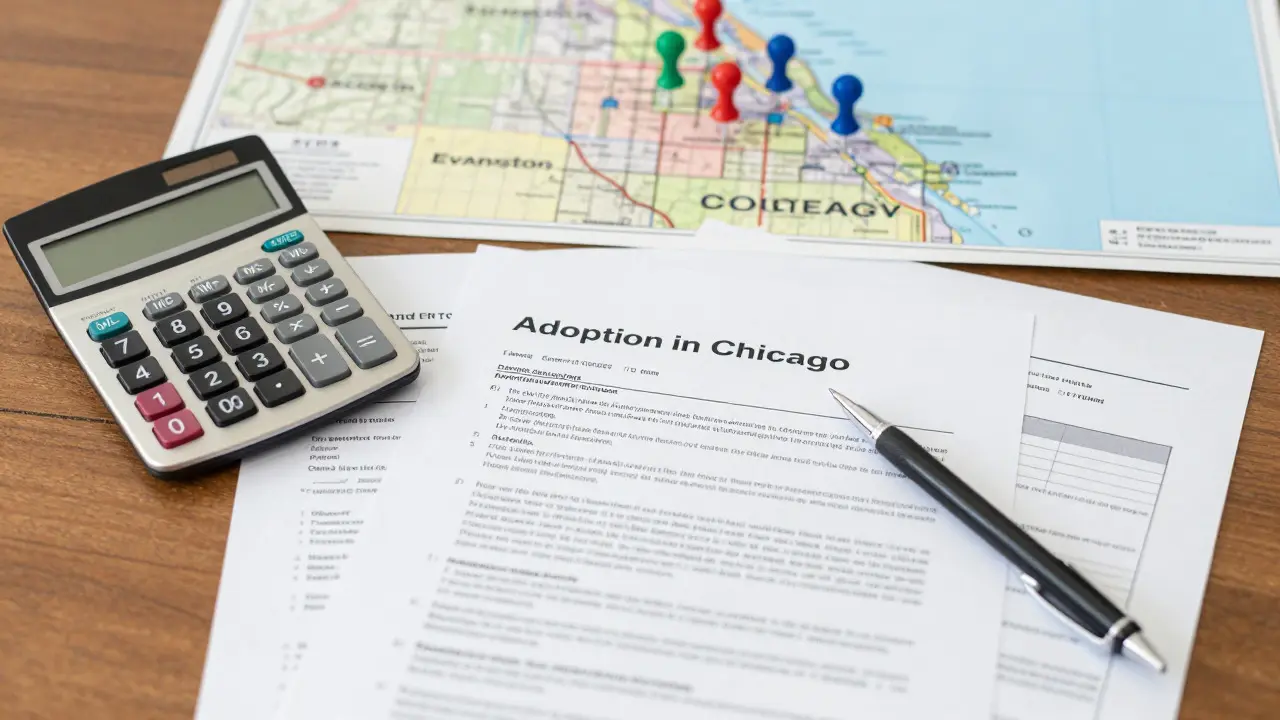
Transportation matters. If you live in a suburb like Evanston or Skokie, commuting to appointments in downtown Chicago can eat up your week. Some agencies allow virtual meetings, but initial home studies usually require in-person visits. Factor in travel time when scheduling your life around the process.
Support networks are vital. Isolation is a leading reason why foster placements break down. Join local groups like the Chicago Foster Parent Association or online forums dedicated to Illinois families. Hearing stories from others who have walked the same path reduces anxiety and provides practical tips on dealing with difficult behaviors.
Common Pitfalls to Avoid
Even well-intentioned families stumble over simple mistakes. Here is what to watch out for:
- Rushing the Decision: Do not sign contracts until you fully understand the refund policy if a placement falls through.
- Ignoring Sibling Groups: Agencies prioritize keeping siblings together. If you say you only want one baby, you eliminate many available children. Being flexible increases your chances.
- Underestimating Emotional Labor: Trauma-informed parenting is exhausting. Prepare for setbacks, regression, and behavioral outbursts. Therapy for the whole family is often recommended, not optional.
- Communication Gaps: Maintain regular contact with your social worker. Missing appointments can delay your license renewal or adoption finalization.
Next Steps for Prospective Parents
Ready to move forward? Start by listing your top three priorities: age of child, openness to special needs, and budget. Then, schedule informational sessions with two or three agencies. Ask them about their current waitlist length and success rates. Compare their philosophies. One agency might focus heavily on therapy, while another prioritizes speed of placement.
Gather your documents early. Birth certificates and medical records take time to obtain. Once you have your shortlist, submit applications simultaneously if allowed. This parallel approach can shave months off your timeline. The road to parenthood in Chicago is challenging, but with the right preparation and support, it leads to a deeply fulfilling life.
What is the minimum age to foster in Illinois?
You must be at least 21 years old to become a licensed foster parent in Illinois. There is no maximum age, provided you are in good physical and mental health. Single adults, married couples, and same-sex couples are all eligible.
How long does the home study process take in Chicago?
The standard home study process takes between 3 and 6 months. This duration includes gathering documentation, completing training, conducting interviews, and writing the final report. Delays often occur if background checks are slow or if families miss appointment slots.
Can I work full-time while fostering?
Yes, many foster parents work full-time. However, you must demonstrate a reliable childcare plan for the foster child during working hours. Agencies assess whether your job schedule allows for consistent bonding time and availability for school events or medical appointments.
Is adoption cheaper than buying a house in Chicago?
Not necessarily. While private adoption costs $30,000-$60,000, a down payment on a modest home in outer suburbs might be similar. However, adoption is a one-time cost (mostly), whereas housing involves ongoing mortgage payments. Foster care is financially supported by the state, making it much less expensive upfront.
Do I need a lawyer for adoption in Illinois?
For public agency adoptions, the state attorney often handles the legal side. For private domestic adoptions, you should hire a specialized adoption attorney to protect your rights and ensure the consent forms are valid. Legal fees typically range from $2,000 to $5,000.