You’ve probably heard the rumors. Maybe you saw a headline about skyrocketing property values or read a blog post claiming the Obama Presidential Center is going to "save" or "ruin" Woodlawn. The truth? It’s neither. It’s messy, expensive, exciting, and happening right now. If you’re looking at moving to the South Side of Chicago, investing in a fixer-upper, or just trying to understand what’s actually changing on 59th Street, you need more than hype. You need facts, local context, and a clear look at how this massive cultural project intersects with daily life.
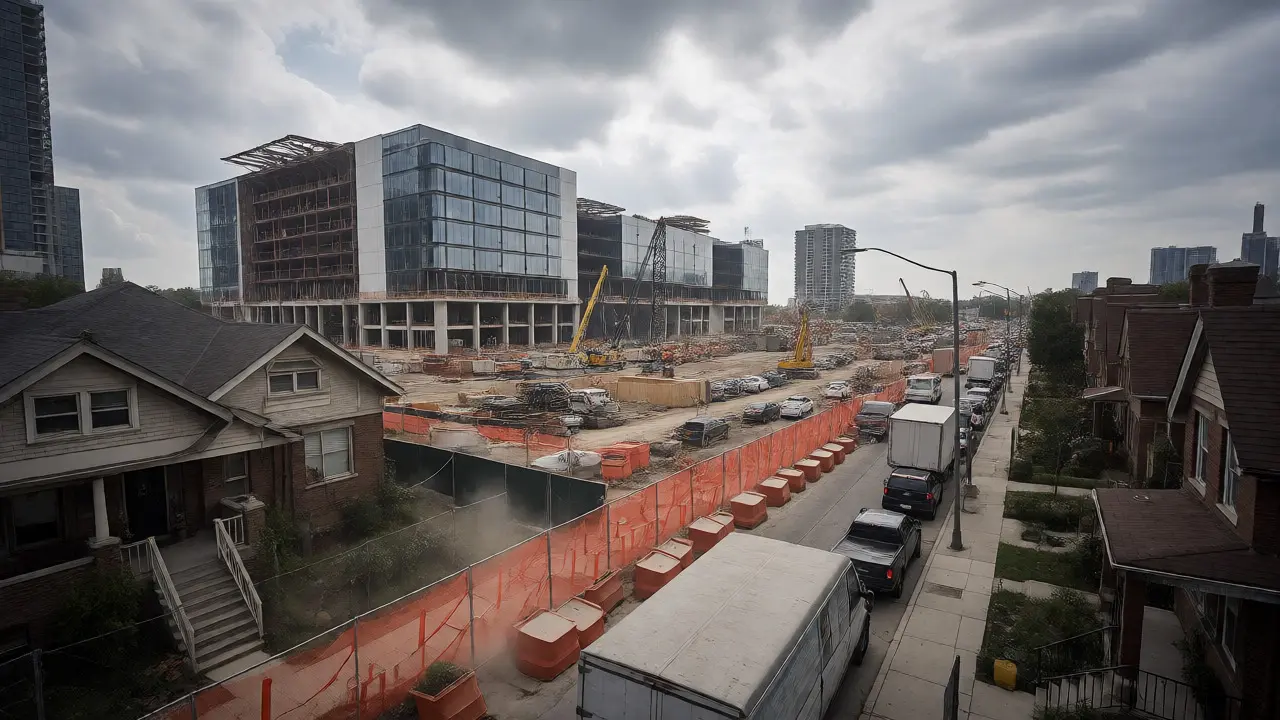
Here’s the reality as of late 2026: Construction on the center has moved from groundbreaking to visible structure. This isn’t a future promise anymore; it’s a current construction site that dictates traffic, noise, and economic flow. For residents and buyers, this means one thing: uncertainty mixed with opportunity. Let’s break down exactly what is being built, who is benefiting, and where the friction points are for people living in the shadow of the crane.
What Is Actually Being Built?
First, let’s cut through the architectural jargon. The Obama Foundation isn’t just building a museum. They are constructing a mixed-use campus that includes a library, a public park, a conference center, and retail spaces. Unlike traditional presidential libraries located on university campuses, this one is embedded directly into a residential neighborhood. That distinction matters because it changes how the building interacts with its surroundings.
The design prioritizes openness. Think large glass facades and accessible green spaces rather than a fortress-like stone structure. The goal is to create a "living memorial," not a static archive. But here’s the catch for locals: while the vision is inclusive, the construction phase has been disruptive. Heavy machinery, road closures on Ellis Avenue, and increased foot traffic have tested the patience of long-term residents. If you’re visiting today, you’ll see fencing, dust control measures, and security checkpoints that weren’t there five years ago.
| Component | Purpose | Community Impact |
|---|---|---|
| Presidential Library | Archives and exhibitions | Tourism revenue, but potential privacy concerns for neighbors |
| Public Park | Green space and recreation | New gathering spot; requires maintenance funding |
| Conference Center | Events and meetings | Job creation; noise pollution risks |
| Retail & Dining | Local commerce | Gentrification pressure vs. new service options |
The Real Estate Ripple Effect
If you’re a homeowner in Woodlawn, your property value likely took a jump when the announcement was made in 2014. But what happens after the ribbon-cutting? Early data suggests a pattern common in major urban developments: initial speculation followed by stabilization. In the years leading up to 2026, we saw flippers buying up bungalows, hoping to sell high before the center opened. Many held onto properties too long, waiting for a peak that didn’t immediately materialize during the pandemic years.
Now, the market is shifting. Buyers aren’t just speculators; they’re young professionals and families priced out of Logan Square or Pilsen. They want the history and the architecture of Woodlawn without the commute time. However, don’t expect every block to appreciate equally. Properties within two blocks of the center face different realities than those near the lakefront. Proximity brings noise and congestion but also immediate access to new amenities. Distance offers quiet but might miss out on the immediate commercial boost.
For renters, the situation is tighter. Landlords see the development as a reason to raise rents, citing "improved neighborhood quality." Yet, many long-term tenants haven’t seen corresponding improvements in services like street cleaning or transit frequency. This disconnect creates tension. If you’re renting, check if your lease allows for rent increases tied to neighborhood assessments or special taxes. Those can add hundreds to your monthly bill.
Who Benefits? Jobs and Local Business
The Obama Foundation promised jobs. Did they deliver? Partially. During construction, thousands of temporary jobs went to union workers, many from outside the immediate neighborhood. The foundation implemented hiring goals for local residents, but critics argue these targets were often met with short-term contracts rather than career-track positions. Now, as operational staff hires begin, the focus shifts to permanent roles: security, hospitality, education, and administration.
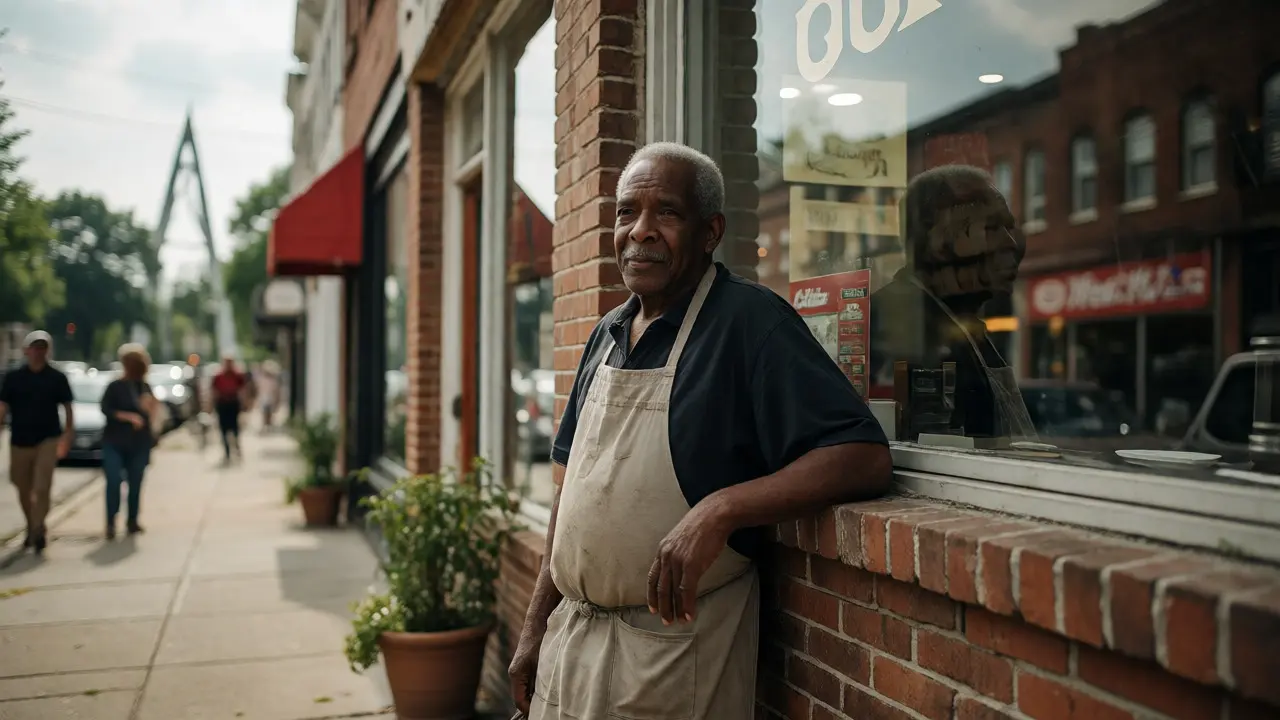
Small businesses are navigating a tricky landscape. Established spots like local barbershops and family-owned diners worry about rising commercial rents pushing them out. Meanwhile, new cafes and boutique shops are opening, targeting the tourist demographic. There’s a risk of "displacement by design," where the neighborhood becomes unrecognizable to those who lived there for decades. However, some legacy businesses are adapting. A few older establishments have renovated their interiors to appeal to younger crowds while keeping their original menus. It’s survival of the fittest, economically speaking.
Transportation and Infrastructure Strains
Let’s talk logistics. Woodlawn relies heavily on the CTA Green Line. With the Obama Center expected to draw millions of visitors annually, can the existing infrastructure handle it? Currently, the station at 63rd Street sees increased usage, especially during events. Commuters report longer wait times during peak hours. The city has discussed upgrades, including better lighting, safety features, and potentially extended service hours, but implementation lags behind demand.
Traffic on Ellis Avenue and Cottage Grove Avenue has become a nightmare during construction peaks. Delivery trucks for the center compete with resident cars for narrow lanes. If you drive, plan for detours. If you walk, watch for uneven sidewalks caused by heavy vehicle wear. These small annoyances add up. They affect quality of life and influence whether people decide to stay or leave. Improved bus routes connecting the center to other transit hubs would help, but until then, personal vehicles remain tempting despite the parking scarcity.
Community Tensions and Gentrification Fears
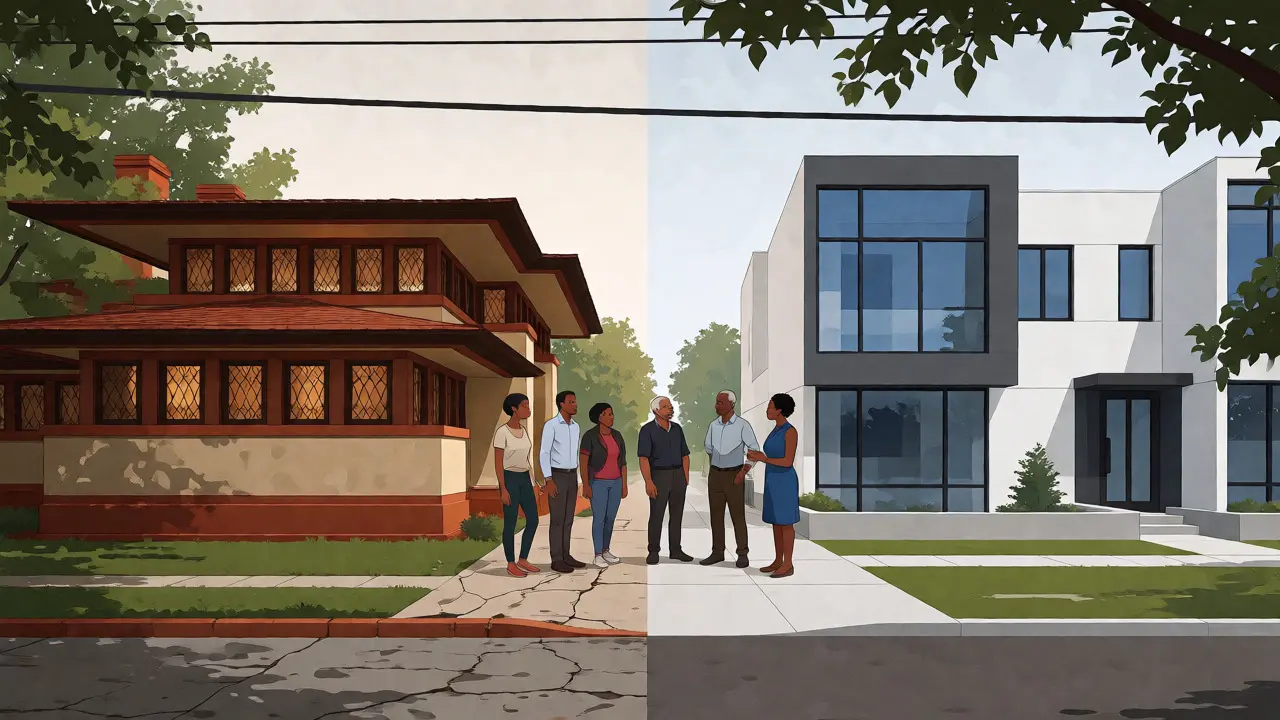
This is the elephant in the room. Gentrification isn’t just a buzzword; it’s a lived experience for many Black residents in Woodlawn. The fear isn’t necessarily change itself, but change that excludes the existing community. Who gets to enjoy the new park? Who can afford the new housing? When luxury condos rise next to historic bungalows, the social fabric stretches thin.
Organizations like the Woodlawn Development Association work hard to ensure residents have a voice. They push for affordable housing mandates and local hiring enforcement. Progress is slow. Policy moves at the speed of bureaucracy, while developers move at the speed of profit. Residents often feel sidelined in planning meetings dominated by wealthy donors and corporate interests. Yet, resistance is organized. Community land trusts and cooperative housing models are gaining traction as tools to keep ownership local. These initiatives aim to prevent the displacement cycle seen in neighborhoods like Wicker Park or Andersonville.
Living in Woodlawn Today: Pros and Cons
So, should you move here? Or stay? Here’s a balanced view based on current conditions.
- Architecture: Woodlawn boasts stunning Prairie School homes designed by Frank Lloyd Wright and others. These are irreplaceable assets.
- Location: Close to the University of Chicago, Hyde Park, and the lakefront. Great for students and academics.
- Culture: Rich history in civil rights activism and arts. Vibrant, albeit evolving, community scene.
- Cost: More affordable than North Side neighborhoods, though prices are rising fast.
- Challenges: Crime rates vary by block. Service disparities persist. Noise and construction disruptions are ongoing.
It’s not a perfect package. But for those who value character over convenience, Woodlawn offers something rare in modern cities: authenticity under transformation.
Final Thoughts on Navigating Change
The Obama Center won’t magically fix all socioeconomic issues in Woodlawn. Nor will it destroy the neighborhood overnight. It’s a catalyst. How the community responds-through policy, investment, and engagement-will determine the outcome. For outsiders, respect the history. For insiders, advocate fiercely. The next decade will define whether Woodlawn becomes a model for equitable urban development or another cautionary tale of exclusion.
How much will the Obama Center increase my property taxes?
Property tax increases depend on assessed value growth, which varies by block. While proximity to the center may boost assessments, Cook County reassessments follow specific formulas. Expect gradual increases rather than sudden spikes, but budget for higher taxes as neighborhood desirability rises.
Is it safe to visit the construction site area?
Yes, the perimeter is secured with fencing and signage. However, pedestrians should stay on designated paths due to heavy machinery and uneven ground. Traffic congestion can be intense, so allow extra travel time if driving nearby.
Will the Obama Center create affordable housing?
The foundation committed to affordable housing units within its own development plans, but broader neighborhood affordability depends on city-wide policies and private developer incentives. Current efforts include partnerships with local housing trusts to preserve existing stock.
How does the center affect local schools?
Increased attention can lead to better resources and programs for nearby schools, such as the University of Chicago Laboratory Schools or public CPS options. However, enrollment pressures and demographic shifts may require adjustments in capacity and curriculum.
Can I still park easily in Woodlawn?
Parking is becoming scarcer near the center due to visitor influx and construction zones. Residential permit systems may expand to protect locals. Plan to use public transit or carpool when visiting high-traffic areas.