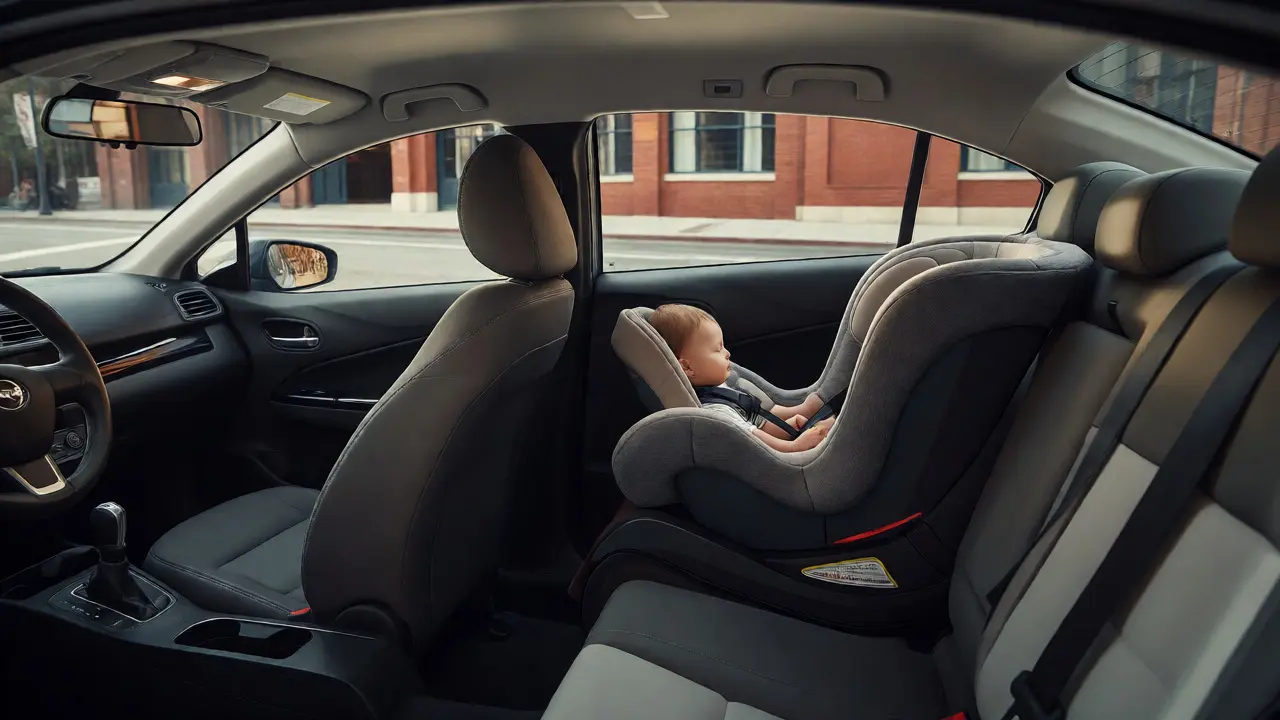
Think you have your kid buckled in correctly? Most parents don't. In fact, the National Highway Traffic Safety Administration (NHTSA) estimates that roughly 46% of child car seats are misused in ways that reduce their effectiveness during a crash. If you’re navigating the busy streets of Chicago, from the expressways to the tight corners of Lincoln Park, getting this right isn’t just about avoiding a ticket-it’s about keeping your child alive when physics takes over.
Illinois has some of the strictest child passenger safety laws in the country, and enforcement here is no joke. Whether you’re a new parent trying to decode the manual or a seasoned pro moving your toddler to a booster, understanding the specific requirements for Illinois drivers can save you stress and money. Here is what you actually need to know about staying legal and safe on Chicago roads.
The Legal Line: What Illinois Law Actually Says
Forget the vague advice you might have heard at baby showers. The law in Illinois is precise. Under the Illinois Vehicle Code, children under age 8 must be secured in an appropriate child restraint system. This isn’t optional; it’s mandatory. But "appropriate" is where most people get tripped up.
For infants and toddlers, the rule is clear: rear-facing until they outgrow the height or weight limits of their specific seat. Many parents flip their kids forward too early because the child looks cramped or fussy. Don’t do it. The American Academy of Pediatrics recommends keeping children rear-facing as long as possible, often until age 2 or beyond, depending on the seat’s specs. Once your child exceeds those limits, they move to a forward-facing harness seat. You keep them there until they hit the maximum weight or height allowed by that specific model-often up to 65 pounds.
After outgrowing the harnessed seat, your child needs a booster seat. This is required until they turn 8 years old. There is no exception for "short trips" or "just going to the store." Even if your neighbor says their 7-year-old rides without a booster in Ohio, Illinois requires that booster until the 8th birthday. After age 8, children can use the vehicle’s lap-and-shoulder belt, but only if it fits properly. If the shoulder belt cuts across their neck instead of their chest, they still need a booster, regardless of age.
Installation: Why Your LATCH System Might Be Failing
Buying the right seat is half the battle. Installing it correctly is the other half, and this is where most failures happen. In Chicago, many families drive older vehicles or compact cars with limited space. You have two main methods for securing a car seat: using the vehicle’s seat belt or using the LATCH system (Lower Anchors and Tethers for Children).
You generally shouldn’t use both simultaneously unless your car manufacturer and car seat manufacturer explicitly say it’s okay. Doing so can overload the anchors or the belt path, compromising the structure during impact. Most modern seats come with color-coded belts (blue for rear-facing, red for forward-facing). Follow these paths exactly. If you skip the lock-off feature on your seat belt when required, the belt can stretch during a crash, allowing the child to move forward dangerously.
| Component | Common Mistake | Correct Practice |
|---|---|---|
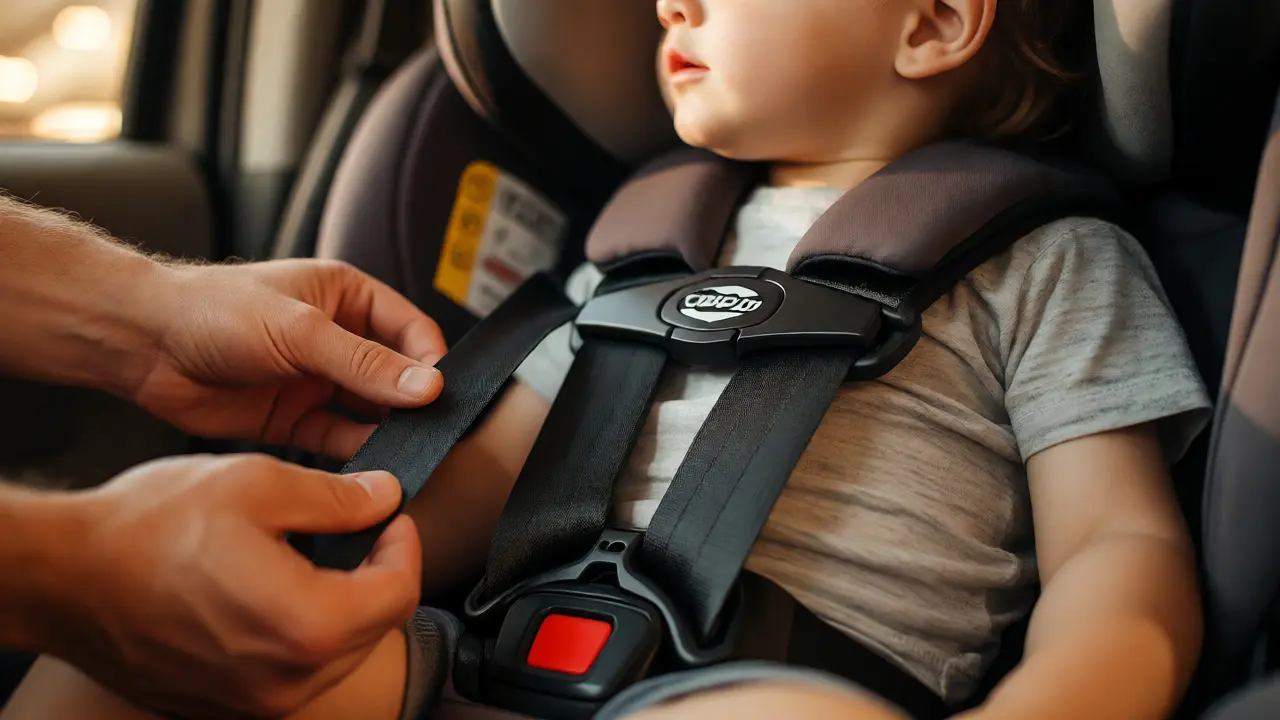
| Harness Straps | Loose enough to pinch fabric | Pinch test: cannot pinch any slack |
| Chest Clip | Too low (on belly) or too high (on chin) | Armpit level |
| Seat Movement | Moves more than 1 inch side-to-side | Moves less than 1 inch at belt path |
| Rear-Facing Angle | Too upright (head flops forward) | Use built-in level indicator or pool noodle |
A critical check: The Inch Test. Grab the car seat at the belt path (where the seat belt goes through, not the top handles) and pull hard. It should not move more than one inch in any direction. If it slides around, it’s too loose. Tighten it again. Parents often hesitate here because they’re afraid of breaking the car’s interior, but in a crash, that movement translates to severe injury.
Where to Get Professional Help in Chicago
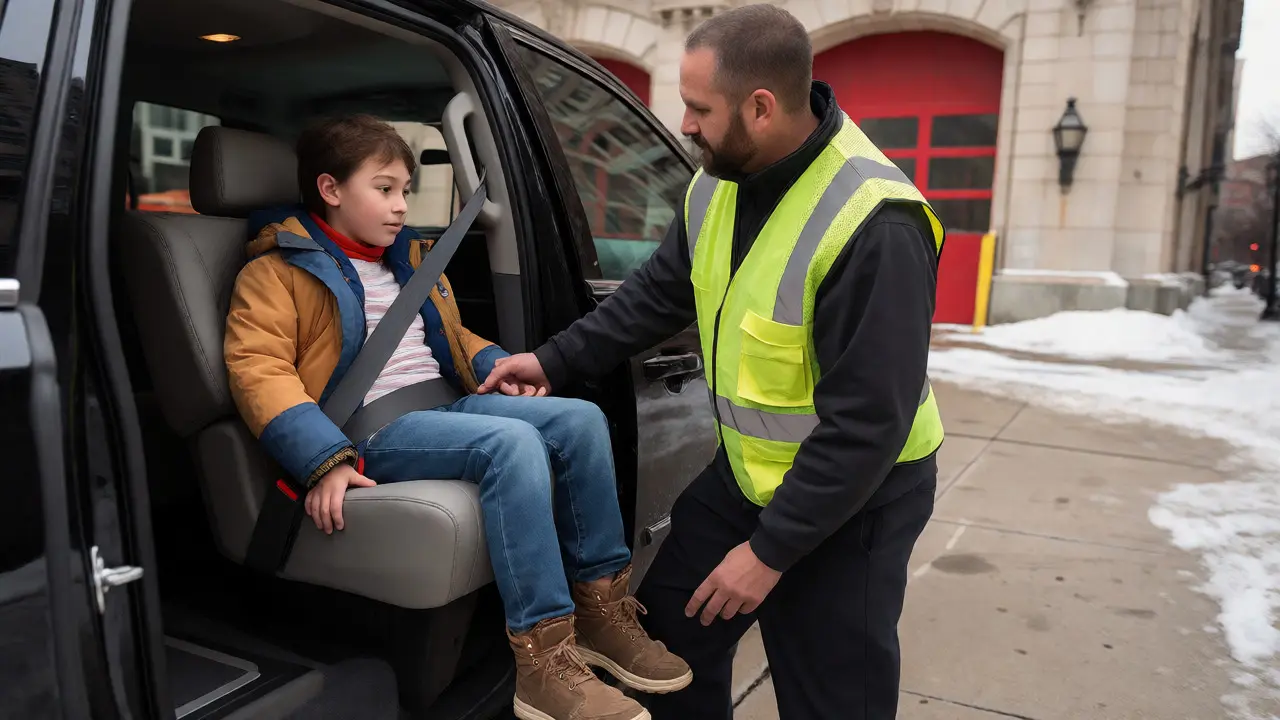
If you’re unsure, don’t guess. Chicago has excellent resources for free inspections. Certified Child Passenger Safety Technicians (CPSTs) are trained to spot errors you’ll miss. They aren’t police officers; they won’t give you a ticket. They’re educators who want your kid to survive the next trip to Wrigley Field.
You can find local inspection stations through the NHTSA website or via organizations like Safe Kids Worldwide. Many Chicago firehouses, hospitals like Rush University Medical Center, and even some police departments offer appointment-based checks. Bring your car seat, your vehicle, and your child. Yes, bring the child. Checking the fit while they are actually sitting in the seat reveals issues with harness height and comfort that empty-seat checks miss.
Keep in mind that installation appointments fill up quickly, especially before holidays or back-to-school seasons. Call ahead. Some locations operate on a first-come, first-served basis, which can mean waiting hours in the cold. Scheduling saves time and ensures you get dedicated attention.
Booster Seats and Belt Fit: The Shoulder Check
Once your child turns 8, the law allows them to use the adult seat belt. But legal doesn’t always mean safe. The vehicle’s belt was designed for adults, not small bodies. If your child sits in the back seat and the shoulder belt rests against their neck or face, it’s dangerous. In a crash, that belt could cause internal injuries to the neck or spine.
Perform the five-step test before ditching the booster:
- Knees bend naturally: When sitting all the way back, their knees should bend comfortably at the edge of the seat.
- Back stays flat: Their back should remain against the vehicle seatback.
- Lap belt position: The lap belt should lie snugly across the upper thighs, not the stomach.
- Shoulder belt position: The shoulder belt should cross the middle of the shoulder and chest, never touching the neck.
- Stay seated: Can they maintain this posture for the entire trip?
If the answer to any of these is no, keep the booster. Many children don’t pass this test until they are 9, 10, or even 12 years old. Height matters more than age here. A tall 7-year-old might fit better than a short 9-year-old. Trust the fit, not the calendar.
Special Considerations for City Driving
Chicago driving presents unique challenges for car seat users. Space is premium. In smaller sedans or hatchbacks, installing a bulky convertible seat in the back might make front-seat legroom nonexistent for adults. This often tempts parents to put the car seat in the front. Avoid this whenever possible. The passenger airbag deploys with tremendous force and can kill a child in a rear-facing seat. If you absolutely must place a child in the front due to multiple children or special needs, ensure the airbag is turned off for rear-facing seats and the seat is pushed as far back as possible.
Also, consider temperature. Chicago summers are brutal. Dark-colored car seats absorb heat. Before strapping your child in, touch the buckle and the plastic shell. If it’s hot, cool it down with a wet cloth or let the AC run for a few minutes. Burns from hot buckles are real and painful.
In winter, bulky coats interfere with harness tightness. Dress your child in thin layers, strap them in, and then put their coat over the straps. If you can pinch the harness after removing the coat, it’s too loose. The coat compresses in a crash, leaving slack that lets the child fly forward.
Expiry Dates and Used Seats
Car seats expire. Usually, they last six years from the date of manufacture. Look for a label on the bottom or back of the seat. Why? Plastics degrade, and safety standards evolve. An expired seat might shatter in a crash instead of absorbing energy.
Be wary of used seats. Unless you know the full history-meaning no accidents, all parts present, original manual available-buy new. If you do buy used, verify the expiration date and check for recalls on the NHTSA recall list. A seat involved in a minor fender bender might look fine but have compromised structural integrity.
Do I need a receipt to prove my child’s age for a ticket?
Not necessarily, but having proof helps. Officers usually estimate based on appearance. However, if you are pulled over, being able to show documentation or simply knowing the law demonstrates compliance. For court appearances, a birth certificate copy can help if there’s a dispute about whether the child was under 8.
Can I install a car seat in the center seat of my vehicle?
Yes, and it’s often the safest spot because it’s furthest from side impacts. However, not all center seats have LATCH anchors. If yours doesn’t, you must use the seat belt method. Ensure the center seat has a locking retractor or a locking clip if required by your car’s manual.
What happens if I get caught without a car seat in Chicago?
Illinois fines start at $75 for a first offense and increase for subsequent violations. More importantly, points go on your license. Police may also require you to attend a safety class. While the fine is annoying, the risk of injury is the real penalty.
Is it illegal to leave a child alone in a car in Illinois?
Yes. Illinois law prohibits leaving a child under age 6 unattended in a motor vehicle. This applies regardless of whether the engine is running or the doors are locked. In Chicago’s variable weather, this is a significant safety concern year-round.
Do ride-share services like Uber require car seats in Chicago?
Technically, yes. Illinois law requires child restraints for all passengers under 8. However, enforcement against private hire vehicles varies. Many drivers will refuse service if you don’t provide your own seat. It’s best to carry a portable travel seat or use a service that offers car seats, though availability is spotty.