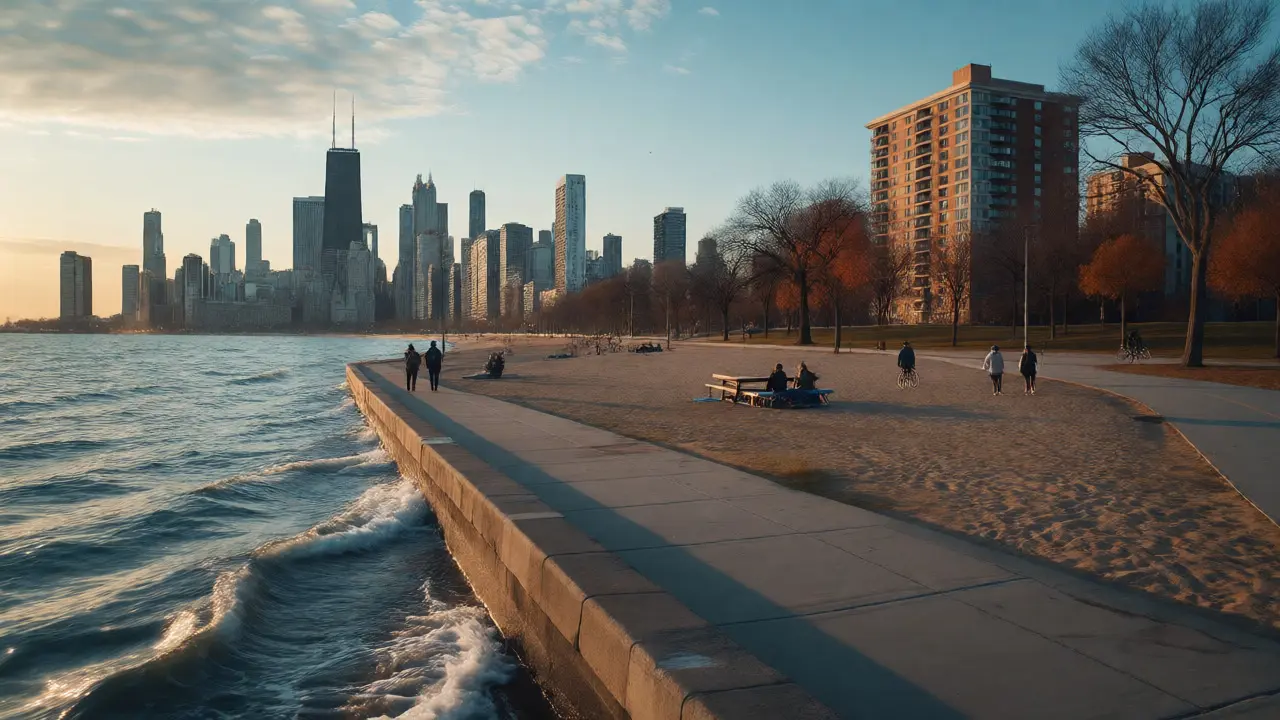
Imagine waking up to the sound of waves crashing against a concrete seawall, grabbing a coffee from a local roaster, and walking five minutes to a sandy beach that feels like a vacation spot but costs you nothing. This isn't a resort in Florida; it's Edgewater, a vibrant neighborhood on Chicago's far north side. For years, this area was known mostly for its proximity to Loyola University and its gritty industrial past. Today, it has transformed into one of the city's most desirable pockets for young professionals, students, and families who want lakefront access without paying Lincoln Park prices.
If you are considering moving here or just exploring what the neighborhood offers, you need to know more than just the zip code. You need to understand the specific micro-climates of its streets, the reality of its rental market, and where the best food actually is. This guide breaks down exactly how to live in Edgewater, covering everything from apartment hunting to finding your favorite taco spot.
The Vibe: Why People Choose Edgewater
Edgewater sits between Rogers Park to the north and Uptown to the south, hugging the Lake Michigan shoreline. It’s distinct because it balances urban energy with residential calm. Unlike the high-rise density of Streeterville or the polished perfection of Lincoln Park, Edgewater feels lived-in and authentic. The architecture tells the story of its history: you’ll see historic mansions from the early 1900s sitting next to mid-century brick buildings and modern mixed-use developments.
The community is heavily influenced by two things: Loyola University Chicago and the North Shore Beach. Because of the university, there is a youthful energy, especially near Broadway and Clark Streets. But unlike other student-heavy areas, Edgewater retains a strong permanent resident base. You’ll see long-time neighbors chatting on porches alongside grad students hauling bikes. This mix creates a safety net of community watchfulness that many renters find appealing. It’s walkable, bike-friendly, and connected to the rest of the city via the Red Line at Thorndale, Bryn Mawr, and Argyle stations.
Apartments: What to Expect and How Much to Pay
Housing in Edgewater varies wildly depending on which block you choose. If you are looking for luxury, check out the newer builds along Sheridan Road or the renovated warehouses converted into lofts. These units often feature in-unit laundry, central air, and balconies overlooking the lake. However, these come with a premium price tag. As of late 2026, a one-bedroom in a new construction building can range from $1,800 to $2,400 per month.
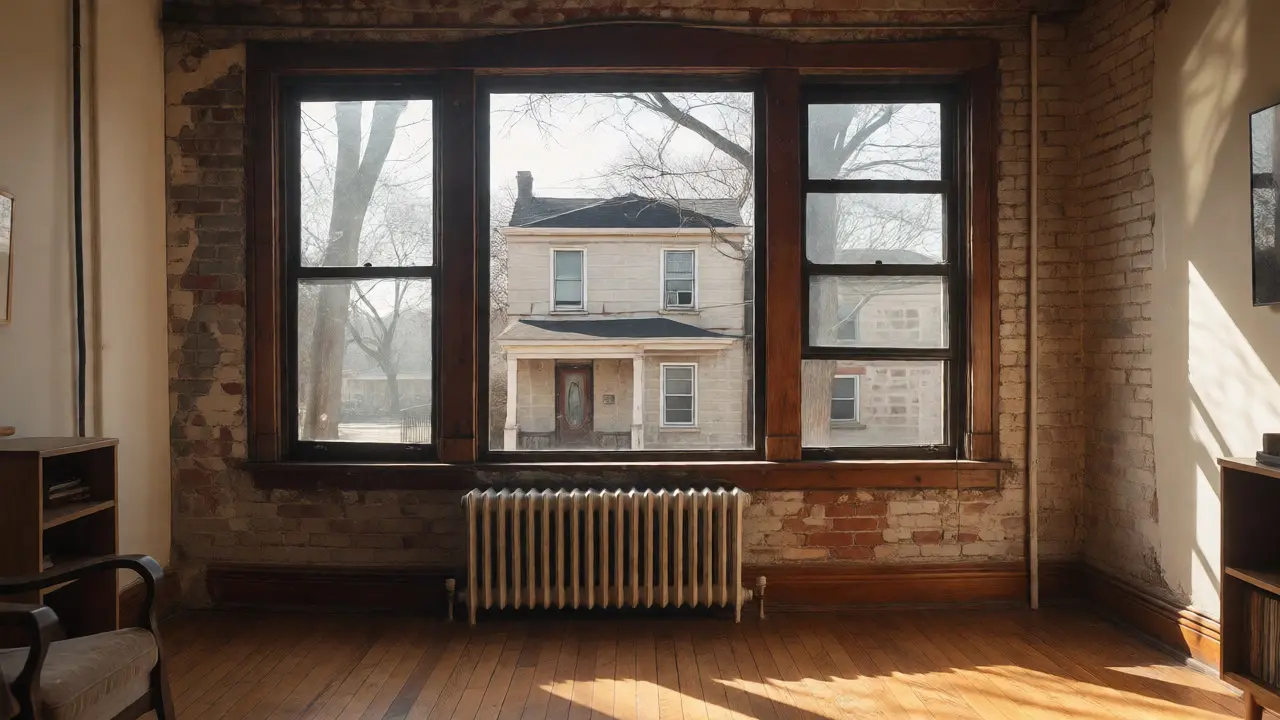
For those seeking value, look slightly inland toward Clark Street or further east toward Ridge Avenue. Here, you’ll find older garden-style apartments and two-flats. These buildings might not have elevators or gym facilities, but they offer larger square footage and character. A one-bedroom in an older walk-up might cost between $1,300 and $1,700. Keep in mind that heating costs in Chicago winters are real. Many older buildings use radiator heat, which is efficient but can be noisy. Always ask if utilities are included before signing a lease.
| Property Type | Price Range (Monthly) | Key Features | Best For |
|---|---|---|---|
| New Construction Luxury | $1,800 - $2,500+ | In-unit laundry, AC, Balcony, Gym | Professionals prioritizing amenities |
| Renovated Walk-up | $1,400 - $1,800 | Hardwood floors, Character, No Elevator | Budget-conscious renters who don't mind stairs |
| Student Housing / Shared | $700 - $1,100 (per room) | Furnished options, Close to Loyola | Loyola Students and Interns |
| Townhome Rental | $2,200 - $3,000+ | Multiple Floors, Yard Space, Parking | Small Families or Roommates |
Beach Access: More Than Just Sand
The crown jewel of Edgewater is North Shore Beach. Unlike the crowded beaches downtown, this spot offers a quieter, more relaxed atmosphere. It features a sandy swimming area, a volleyball court, and a large lawn perfect for picnics. In the summer, it hosts free concerts and yoga classes. But living here means enjoying the beach year-round. Winter walks along the lakefront trail are crisp and beautiful, offering views of the skyline from a distance that makes them look like postcards.
Access is easy. Most residents within four blocks of the lake can reach the sand in under ten minutes on foot. There is also a dedicated bike path that connects North Shore Beach to Montrose Beach to the north and Hollywood Beach to the south. If you are renting, check if your building has direct lakefront access or if you have to cross Sheridan Road. Crossing Sheridan during rush hour can be tricky due to heavy bus traffic, so look for buildings with safe pedestrian crossings nearby.
Dining Scene: From Dive Bars to Fine Dining
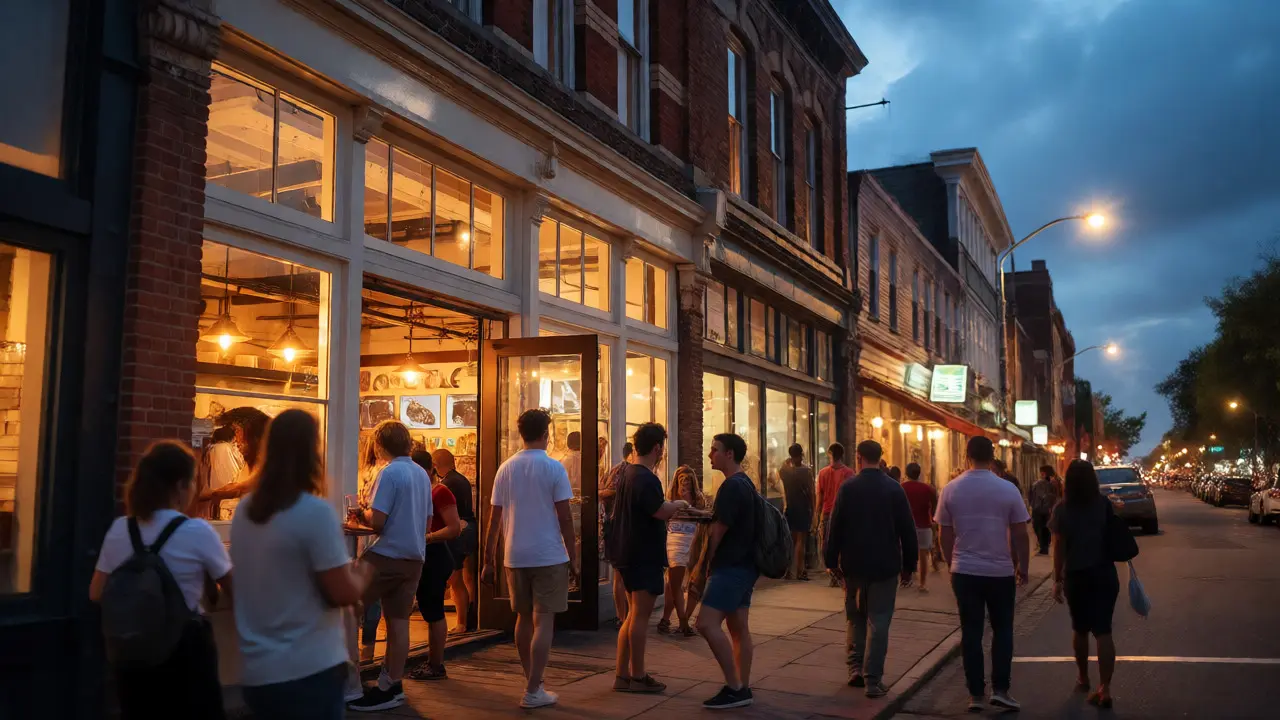
Edgewater’s dining scene has exploded over the last decade. It’s no longer just a place for cheap pizza and beer. The main commercial strips-Broadway, Clark, and Lawrence-offer a surprising variety of cuisines reflecting the neighborhood’s diverse population.
For casual eats, head to Clark Street. You’ll find everything from Ethiopian injera platters to Vietnamese pho bowls. One standout is the abundance of Mexican food. Places like Taqueria El Milagro offer authentic tacos al pastor that rival anything in Pilsen. If you’re craving comfort food, try the classic American diners that stay open late, serving everything from pancakes to burgers at reasonable prices.
On the upscale end, Broadway Street has seen a surge in gastropubs and wine bars. Venues like The Green Mill Cocktail Lounge offer jazz nights and vintage decor, providing a sophisticated evening out without the pretension of River North. For brunch, spots along Lawrence Avenue serve hearty eggs benedict and craft cocktails. The key advantage here is price point. You get quality food without the inflated tourist markup found closer to the Magnificent Mile.
Transportation and Commuting
Living in Edgewater means relying on public transit for most daily commutes. The CTA Red Line runs through the heart of the neighborhood, stopping at Thorndale, Bryn Mawr, and Argyle. From Thorndale, you can reach downtown in about 25-30 minutes. During peak hours, trains run every few minutes, making it reliable for work commuters.
However, traffic on major arteries like Sheridan Road and Western Avenue can be brutal. If you drive, parking is a challenge. Most apartments do not include parking spaces, or they charge extra ($100-$200/month) for a spot. Street parking requires a residential permit, which you must apply for separately. Biking is a viable alternative thanks to protected lanes on Clark and Broadway, but winter biking requires gear and grit. Ride-share apps are popular for late-night trips when the train stops running frequently.
Community and Local Events
One of the biggest draws of Edgewater is its active civic life. The Edgewater Historical Society organizes tours of the neighborhood’s architectural gems, while local groups host regular cleanup days at the beach. Farmers markets pop up seasonally, bringing fresh produce and handmade goods to the sidewalks.
The neighborhood also benefits from Loyola University’s resources. Residents can attend guest lectures, art exhibitions, and athletic events. This integration keeps the cultural calendar full. Additionally, the proximity to Andersonville to the west means you can easily hop on a bike to explore another charming commercial district filled with boutiques and cafes.
Pros and Cons of Living in Edgewater
To help you decide, here is a quick breakdown of the trade-offs involved in choosing this neighborhood.
- Pro: Lakefront Lifestyle. Direct access to beaches and trails adds immense value to daily life.
- Pro: Transit Connectivity. Three Red Line stations make commuting to Loop or Evanston easy.
- Pro: Diverse Food Scene. Authentic international cuisine at affordable prices.
- Con: Student Turnover. Near universities, noise levels can fluctuate during academic semesters.
- Con: Older Infrastructure. Some buildings lack modern insulation or central air conditioning.
- Con: Traffic Congestion. Major roads experience significant delays during rush hours.
Frequently Asked Questions
Is Edgewater Chicago safe?
Edgewater is generally considered safe, especially compared to some other north-side neighborhoods. Crime rates are moderate, with most incidents being property-related rather than violent. Walking alone at night is common, but sticking to well-lit main streets like Broadway and Clark is recommended. Community policing and neighborhood watch programs contribute to the sense of security.
How far is Edgewater from downtown Chicago?
By car, it takes about 20-30 minutes depending on traffic. By public transit, taking the CTA Red Line from Thorndale or Bryn Mawr stations to the Loop takes approximately 25-35 minutes. Driving times can vary significantly based on time of day and weather conditions.
Are pets allowed in Edgewater apartments?
Yes, many apartments allow pets, but policies vary. Newer luxury buildings often have pet fees and weight limits. Older walk-ups may be more restrictive or require additional deposits. Always verify the specific pet policy in your lease agreement before signing. Nearby dog parks, such as the one at North Shore Beach, are popular spots for socialization.
What schools serve the Edgewater area?
The neighborhood is served by Chicago Public Schools, including several elementary schools like Nettelhorst and Goudy Elementary. High school options include Senn High School and Lane Tech College Prep, which is accessible via bus or bike. Private and charter school options are also available within a short commute.
Is Edgewater good for families?
Edgewater is increasingly family-friendly. While it has a large student population, many families choose it for the park space, library access, and diverse community. Townhomes and larger apartments provide suitable housing options. The presence of multiple playgrounds and youth sports leagues adds to its appeal for parents.