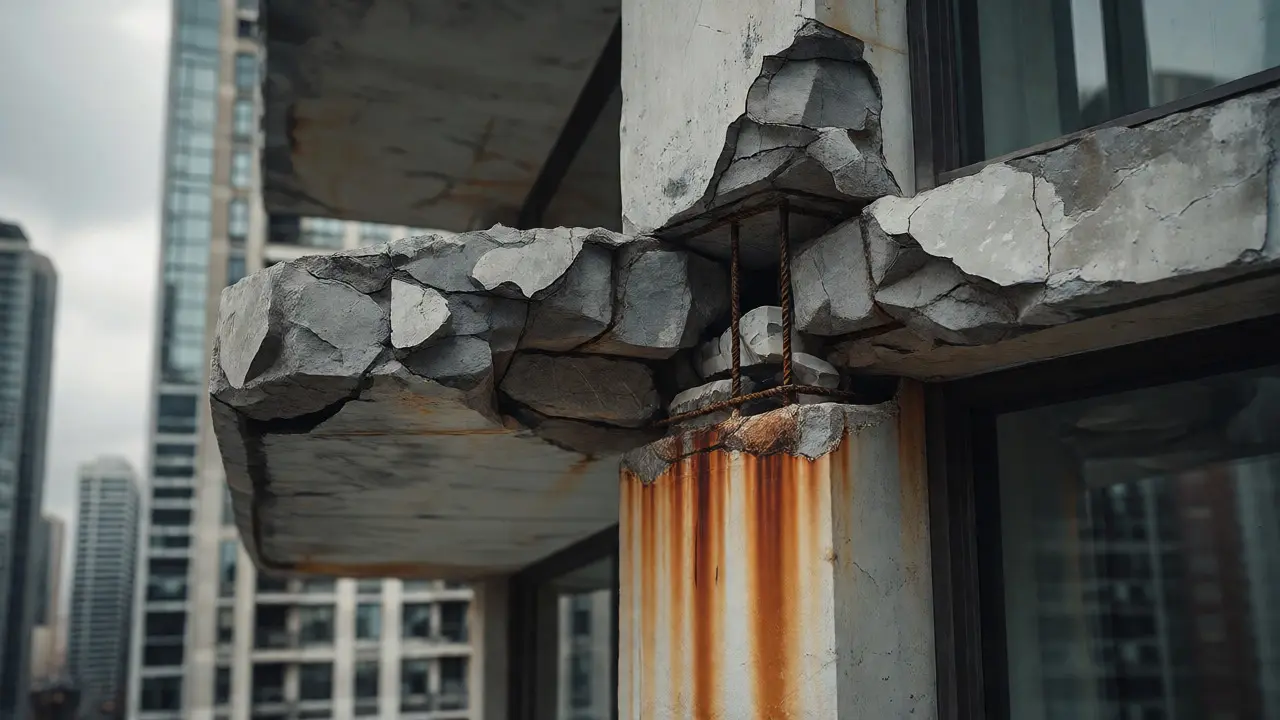
Remember the Seville Tower tragedy in 2015? It wasn’t just a headline; it was a wake-up call for every high-rise resident in Chicago. If you live in a pre-war building or a modern condo with an outdoor space, you’ve likely wondered: Is my balcony actually safe? You’re not alone. Between freeze-thaw cycles that crack concrete and decades of wear on steel supports, Chicago’s unique climate puts serious stress on our porches and balconies. This isn’t about fear-mongering-it’s about knowing what to look for, understanding who is responsible for inspections, and figuring out exactly how much weight your outdoor space can handle before it becomes a hazard.
The Chicago Climate Factor
You don’t have to be a structural engineer to see why Chicago weather is brutal on balconies. We get extreme temperature swings, heavy snow loads, and moisture that seeps into tiny cracks. When water freezes, it expands. When it thaws, it contracts. Over ten, twenty, or fifty years, this process-called spalling-can crumble concrete and rust steel reinforcements from the inside out. Many residents assume that because a balcony looks fine from the living room window, it’s structurally sound. But the damage often starts at the connection points where the slab meets the building, areas you might never inspect yourself.
Balcony Spalling is the flaking or peeling of concrete surfaces caused by corrosion of the reinforcing steel bars within the concrete due to water infiltration and freeze-thaw cycles. In Chicago, this is one of the most common causes of balcony failure. If you see chunks of concrete falling off or rust stains bleeding through the bottom of the slab, that’s not just cosmetic; it’s a structural warning sign.
Who Is Responsible for Inspections?
This is the big question that trips up many homeowners and renters. The answer depends heavily on whether you own your unit or rent it, and what type of building you live in.
- Condominiums: In most Chicago condos, the balcony is considered a "limited common element." This means the individual owner is usually responsible for maintenance and repairs, while the Homeowners Association (HOA) handles the structural support systems attached to the building. However, recent changes in Illinois law following the Surfside, Florida collapse have tightened scrutiny. The Illinois Condominium Property Act now requires reserve studies that specifically account for major structural components like balconies.
- Rentals: If you rent, your landlord is generally responsible for ensuring the structure is safe under the Chicago Residential Landlord and Tenant Ordinance. You can’t fix a crumbling slab yourself, but you should report any signs of distress immediately.
- Co-ops: Similar to condos, but the board has even more control over capital improvements and inspections.
Don’t wait for the annual HOA meeting to ask these questions. Check your governing documents. Look for clauses regarding "structural elements" versus "surface finishes." If the railing falls, is it your problem or the building’s? Usually, railings are your responsibility if they’re part of the unit’s envelope, but the anchors into the building might belong to the association. Clarity here saves thousands of dollars.
Understanding Capacity Limits
How many people can safely stand on your balcony? This isn’t a guesswork game. Building codes dictate specific load capacities. For residential balconies, the standard live load requirement is typically 40 pounds per square foot (psf). That sounds simple, but it gets complicated when you add furniture, planters, and crowds.
| Scenario | Total Weight (Approx.) | Status |
|---|---|---|
| Empty Balcony | 0 lbs | Safe |
| Two Adults + Small Table | ~450 lbs | Safe (Well under limit) |
| Six Adults Standing | ~1,200 lbs | At Limit (Approaching 40 psf) |
| Ten Adults + Heavy Planters | ~2,500+ lbs | Overload Risk |
Notice the jump between six and ten adults. A 10x10 foot balcony has a total live load capacity of roughly 4,000 pounds (100 sq ft x 40 psf). But that’s the theoretical maximum for the entire surface area evenly distributed. Real-world usage concentrates weight. If ten people cluster near the edge-the weakest point-you could exceed local stress limits even if the average load seems okay. Plus, don’t forget dead loads: concrete itself weighs about 150 psf. Engineers design for both, but older buildings may have been built to lower historical standards.
Visual Inspection Checklist
You don’t need a hard hat to spot obvious trouble. Walk your balcony monthly. Here’s what to look for:
- Hairline Cracks vs. Structural Cracks: Tiny, spiderweb cracks in the sealant are normal. Wide cracks (wider than a credit card) running perpendicular to the building suggest movement or separation.
- Rust Stains: Brown streaks on the underside of the balcony indicate water is reaching the rebar. This is a red flag for internal corrosion.
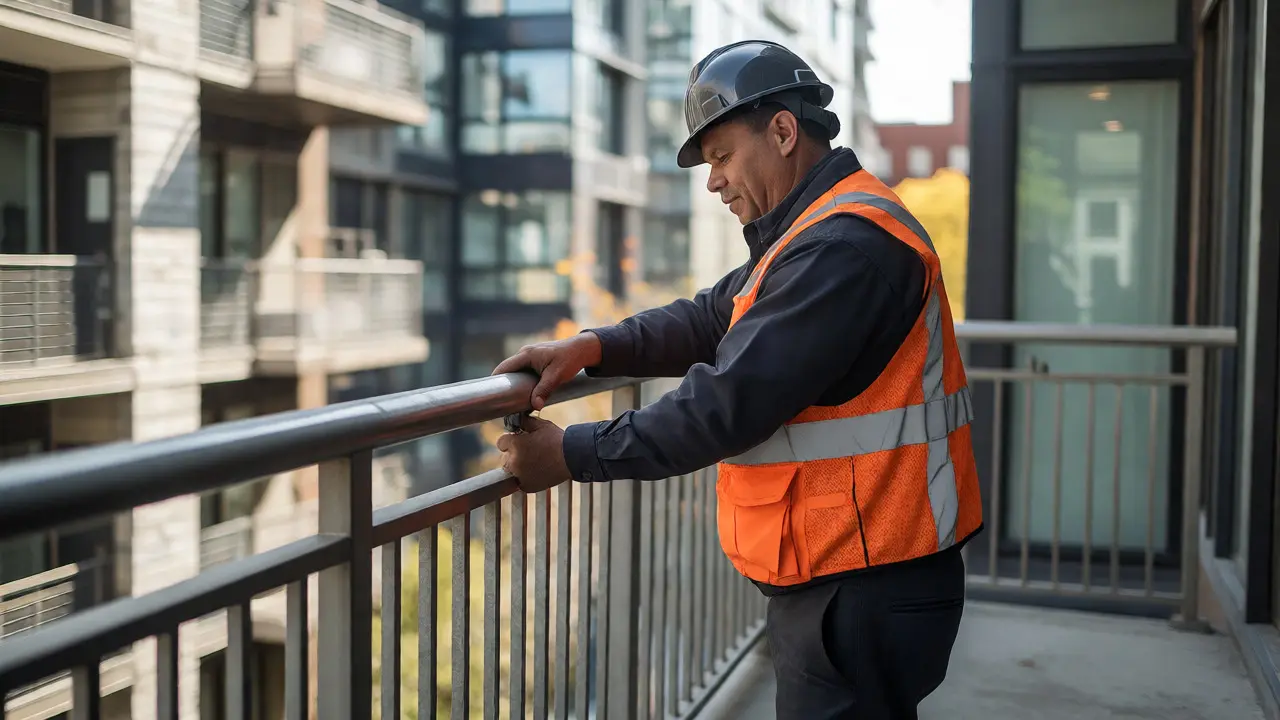
- Railing Wobble: Grab the top rail and shake it firmly. If it moves independently of the posts, the anchors are loose. In Chicago wind, a wobbly railing is a death trap.
- Drainage Blockages: If water pools on your balcony after rain, it’s finding its way into the structure. Ensure scuppers (drain holes) aren’t clogged with leaves or dirt.
If you see any of these issues, document them with photos and date stamps. Send them to your property manager or HOA board. Keep a paper trail. If a collapse happens later, that email chain proves you reported the issue.
Regulatory Changes Post-Surfside
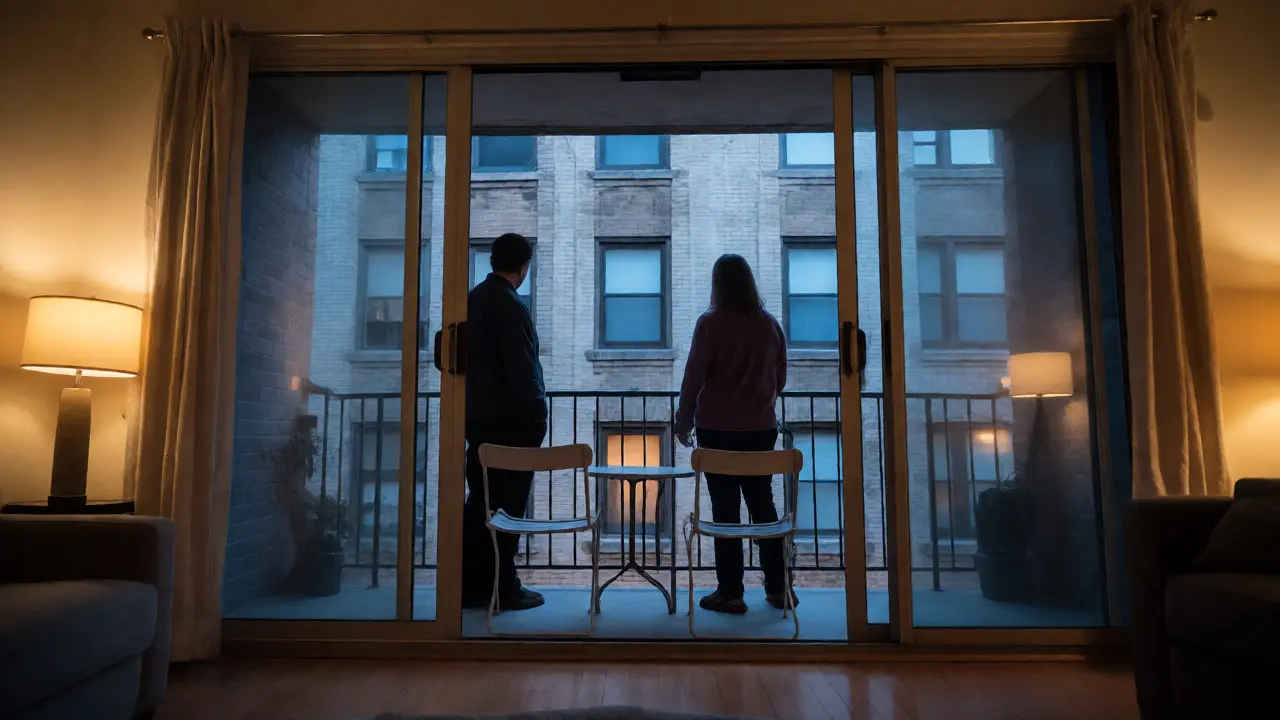
Since the Champlain Towers South collapse in Miami Beach in 2021, laws across the U.S., including Illinois, have become stricter. While Chicago didn’t pass a state-wide mandate identical to Florida’s immediate inspection requirements, the pressure on engineering firms and building boards has intensified. Many Chicago HOAs are now hiring third-party engineers for specialized balcony inspections rather than relying solely on general building maintenance crews.
Specialized Engineering Inspection is a detailed assessment conducted by a licensed professional engineer focusing specifically on the structural integrity of cantilevered slabs, connections, and waterproofing membranes. These inspections cost more than routine walk-throughs but provide peace of mind. Ask your HOA if they budgeted for this in their 2026 reserve study.
Practical Steps for Residents
What can you do right now? First, know your age bracket. Buildings constructed before 1970 often used different waterproofing methods that degrade faster. Second, manage your clutter. Don’t turn your balcony into a storage shed for heavy patio sets, large ceramic pots filled with wet soil, or grills. Every pound counts. Third, respect the rules. If your lease or condo docs say "no glass tables," there’s probably a reason related to wind uplift or weight distribution.
If you’re planning a renovation, such as adding new tile or replacing flooring, check with the HOA first. Adding marble tile can add 10-15 pounds per square foot compared to standard pavers. On an older balcony with compromised supports, that extra weight could be the tipping point.
How often should balconies be inspected in Chicago?
While there is no single state-mandated frequency for all buildings, best practice suggests a visual self-inspection every 3-6 months. Professional engineering inspections are recommended every 3-5 years for buildings over 20 years old, or sooner if visible deterioration occurs. Many HOAs now include a mandatory professional inspection cycle in their long-term maintenance plans.
Can I grill on my balcony?
It depends on your building's specific rules and local fire codes. Generally, charcoal grills are banned in multi-family dwellings due to spark risks and smoke. Gas grills are often permitted if they meet UL standards and are placed away from combustible materials. Always check your HOA guidelines or lease agreement, as violations can lead to fines or liability issues.
Who pays for balcony repairs?
In condominiums, the unit owner typically pays for surface repairs (flooring, railings, sealants), while the HOA pays for structural repairs (slab replacement, support beams). However, this varies by building declaration. Review your condo documents carefully. In rentals, the landlord is responsible for all structural and habitability-related repairs.
What does 'spalling' look like?
Spalling appears as chunks of concrete breaking off or flaking away, often revealing rusty metal bars underneath. You might see pits or holes in the concrete surface. Rust stains dripping down the side of the building are another clear indicator that internal corrosion is causing expansion and pushing the concrete apart.
Is it safe to put heavy planters on my balcony?
Heavy planters, especially those made of terracotta or stone and filled with wet soil, can significantly increase the load. Distribute weight evenly and avoid clustering multiple heavy pots near the edge. If your balcony is older or shows signs of stress, consider using lightweight plastic or fiberglass containers instead.