
Thinking about moving to Chicago with your kids? It’s a big leap. You’re trading suburban sprawl for vertical living, and you’re swapping quiet cul-de-sacs for the hum of the L train. But here’s the thing: Chicago is surprisingly kid-friendly if you know where to look. The city isn’t just one giant blob; it’s a collection of distinct villages stitched together by transit lines. Your experience depends entirely on which village you choose.
Most families get stuck in analysis paralysis because they try to find the "perfect" spot. There isn't one. There's only the right fit for your commute, your budget, and your tolerance for noise. Let’s break down what actually matters when you’re packing boxes and enrolling children in school.
The School Landscape: Public vs. Private
School choice is the biggest stressor for relocating parents. In Chicago, you have two main paths: the public system or private/charter options. Don’t assume all public schools are equal. They vary wildly by neighborhood.
Chicago Public Schools (CPS) is the third-largest school district in the United States, serving over 300,000 students across more than 500 schools. For decades, CPS struggled with funding and consistency, but recent years have seen significant improvements in specific zones. If you’re eyeing a condo in Lincoln Park or a house in Hyde Park, you’re likely looking at high-performing neighborhood schools like Lincoln Elementary or Hyde Park Academy High School.
But don’t sleep on charter networks. Noble Network of Charter Schools operates over 70 campuses across Chicago, focusing on college preparation and rigorous academics. They’re popular because they often offer structured environments that some parents prefer over traditional public schools. Then there’s KIPP Chicago, known for its strict discipline model and extended school days. These aren’t free, but they’re cheaper than many private institutions.
If money isn’t an object, Chicago has elite private schools like Latin School of Chicago and Francis W. Parker School. These schools focus heavily on liberal arts and social development. Tuition can run $40,000+ per year, so factor that into your housing budget. Often, families move to slightly cheaper neighborhoods to afford these tuition fees.
| School Type | Average Cost (Annual) | Admission Process | Best For |
|---|---|---|---|
| CPS Neighborhood School | $0 (Taxes) | Residency-based | Families wanting community integration |
| CPS Selective Enrollment | $0 (Taxes) | Test scores & grades | High-achieving students |
| Charter Networks (Noble/KIPP) | $0 (Taxes) | Lottery or application | Structured academic focus |
| Private Schools | $25k - $45k+ | Interviews & assessments | Specialized curriculum or small classes |
Neighborhoods That Actually Work for Families
You need a place with sidewalks, safe streets, and groceries within walking distance. Here are three areas that consistently rank high for families, each with a different vibe.
Lincoln Park is a wealthy, leafy neighborhood on the North Side known for its zoo, museums, and top-tier schools. It’s expensive. A modest two-bedroom condo might start at $600,000. But you’re paying for proximity to Lincoln Park Zoo (which is free) and excellent pediatricians. It’s polished, safe, and very walkable. If you want the classic "city life with amenities" feel, this is it.
Hyde Park offers a historic, intellectual atmosphere centered around the University of Chicago campus. Housing costs are lower than Lincoln Park, though still rising. The architecture is stunning-think Frank Lloyd Wright homes and Gothic university buildings. The downside? Some blocks feel isolated from the rest of the city, and the bus system is slower than the 'L' train found in other areas. But the community is tight-knit and values education deeply.
Pilsen is a vibrant, arts-focused neighborhood on the West Side with a strong Mexican-American heritage. It’s rapidly gentrifying, meaning you can still find deals, but prices are climbing fast. Pilsen is gritty in the best way. Street art covers every wall, and the food scene is incredible. Schools are improving, but they aren’t as universally acclaimed as Lincoln Park’s. Choose Pilsen if you value culture and affordability over prestige.

Parks and Playgrounds: Where to Burn Off Energy
Chicagoans love their parks. It’s not just green space; it’s the community hub. If you’re moving with toddlers or elementary-aged kids, park access is non-negotiable.
Millennium Park is a 25-acre urban park in the Loop featuring the famous Cloud Gate sculpture and Jay Pritzker Pavilion. While tourists flock to the Bean, locals use the Great Lawn for picnics. The playground here, Maggie Daley Park, is arguably the best in the city. It features a climbing garden and a skating ribbon. It’s crowded on weekends, but worth it.
For older kids, Jackson Park provides a massive lakefront space with beaches, sports fields, and the Museum Campus nearby. It’s huge. You can rent bikes, play volleyball, or let kids run loose on the grass. The proximity to the Field Museum and Shedd Aquarium makes it an educational powerhouse disguised as a playground.
Don’t overlook smaller neighborhood parks. Grant Park hosts major festivals like Lollapalooza and Taste of Chicago, turning downtown into a festival ground. For daily use, check out local spots like Wicker Park’s namesake park. It’s less manicured, more authentic, and filled with dog owners and young families. The vibe is casual and unpretentious.
The Logistics: Commuting and Daily Life
Living in Chicago means relying on the Chicago Transit Authority (CTA), which operates the city's buses and elevated rapid transit trains known as the 'L'. Do not buy a car unless you absolutely need it. Parking is a nightmare and costs hundreds per month in most neighborhoods.
Map your commute before you sign a lease. Use the CTA Trip Planner app. A 30-minute ride on the Red Line is manageable. A 90-minute commute involving two transfers and a bus ride will drain your soul. Families often cluster along major 'L' lines: the Brown Line (northwest), Blue Line (west/northwest), and Red Line (north/south). Living near a station adds value to your property and saves you time.
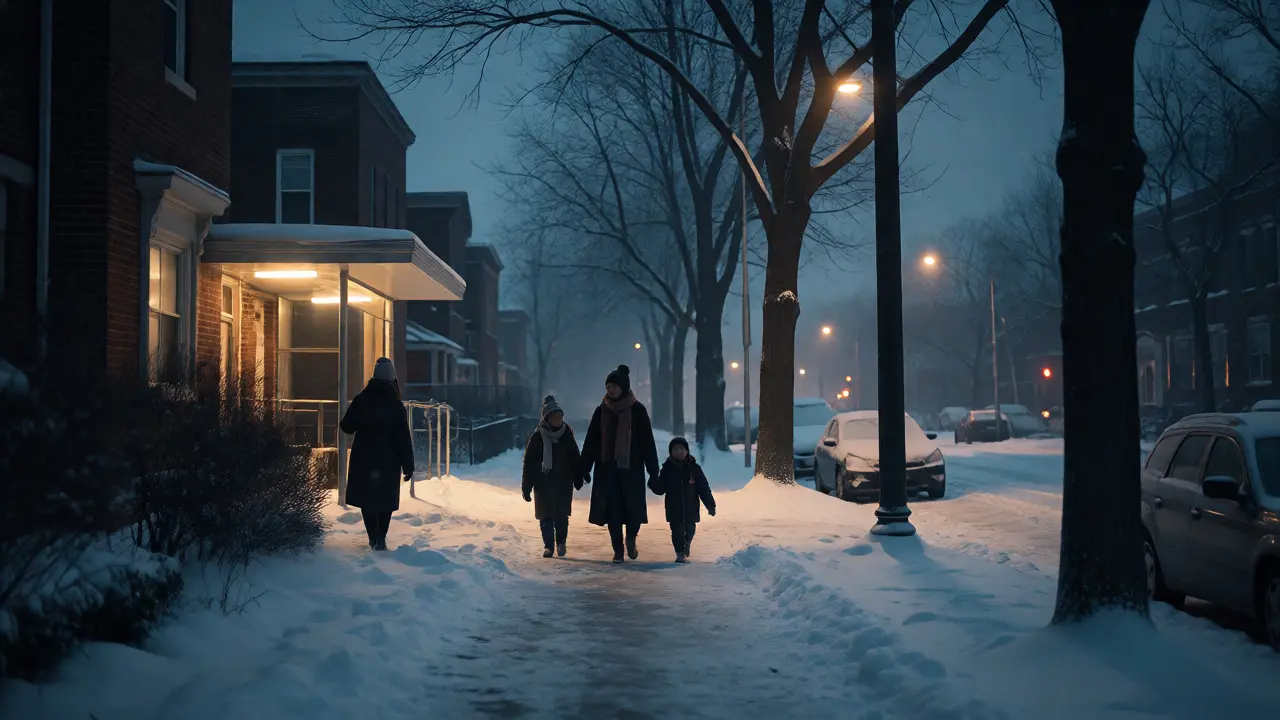
Winter is real. Yes, we know everyone jokes about it, but November through March is dark and cold. Plan indoor activities. Museums, libraries, and indoor pools become your second home. Dress your kids in layers. Wool socks and waterproof boots are essential gear, not luxuries.
Key Takeaways for Relocating Families
- School Zones Matter: Verify the assigned school for any address using the CPS locator tool before making an offer. Boundaries change.
- Transit Over Cars: Live near an 'L' station. It changes your quality of life more than square footage does.
- Visit in Winter: See the neighborhood in January. Summer charm fades when the wind hits 20 degrees.
- Budget for Extras: City taxes are higher. Factor in property tax and potential HOA fees into your monthly housing cost.
Is Chicago safe for families?
Safety varies significantly by block. Neighborhoods like Lincoln Park, Lakeview, and Hyde Park generally report low crime rates comparable to suburbs. However, some areas on the South and West Sides have higher violent crime rates. Research specific zip codes and visit at night if possible. Most families stick to well-lit, populated areas and feel quite secure.
How much does housing cost for families in Chicago?
It depends on the neighborhood. In prime family areas like Lincoln Park, expect to pay $800-$1,200 per month for a two-bedroom apartment. Buying a single-family home can range from $400,000 in emerging areas like Pilsen to over $1 million in established suburbs or premium city locations. Always add 20% to your budget for hidden costs like repairs and utilities.
Do I need a car if I live in Chicago with kids?
Not necessarily. Many families rely entirely on the CTA and walking. However, having a car helps for weekend trips to the suburbs or grocery hauls. If you live near a major 'L' line, you can easily go car-free for weeks. Just be prepared for occasional rideshares during late nights or bad weather.
What are the best neighborhoods for young professionals with babies?
Lakeview and Wicker Park are popular choices. They offer a mix of nightlife, dining, and green spaces. Lakeview is closer to the lake and has better schools, while Wicker Park feels more artistic and slightly more affordable. Both have excellent pediatric care and active parent groups.
Are there good after-school programs in Chicago?
Yes. The Chicago Park District offers extensive after-school recreation programs. Additionally, organizations like the YMCA and local community centers provide tutoring, sports, and arts classes. Many schools also partner with external providers for enrichment activities, so ask about these during enrollment.