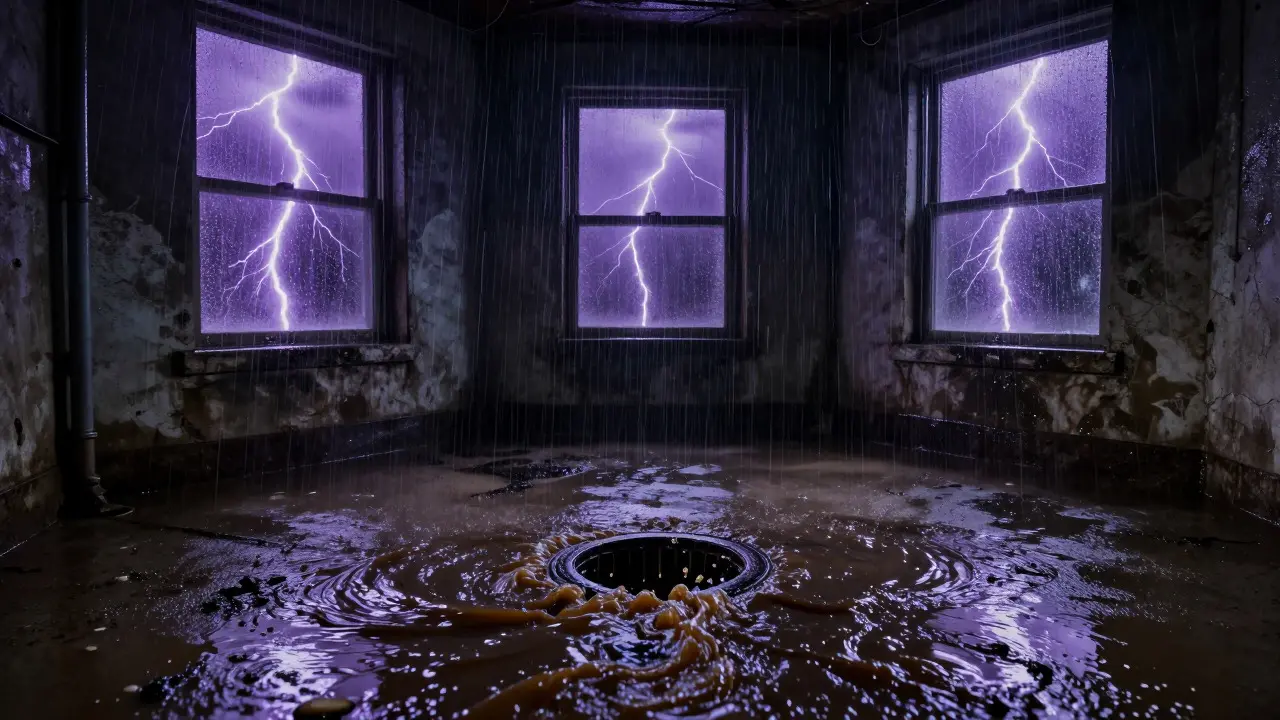
You’re sitting in your living room on the South Side of Chicago. The sky turns a bruised purple, and the rain starts hammering against the windows. It’s not just rain; it’s a deluge. Suddenly, you hear that distinct gurgling sound from the floor drain in the basement. You know what that means. Chicago is notorious for its combined sewer system (CSS), where stormwater and sewage share the same pipes. When the volume exceeds capacity, everything backs up into your home.
This isn’t just an inconvenience; it’s a health hazard and a financial nightmare. Raw sewage contains bacteria, viruses, and parasites. Cleaning it up without proper gear can make you sick. But here’s the good news: you don’t have to be a victim every time it rains hard. By understanding how the city’s infrastructure works and taking specific preventive steps, you can protect your property and your family’s health. Let’s break down exactly what causes these backups, how to stop them, and what to do if they happen anyway.
Why Chicago Basements Flood
To fix the problem, you need to understand the source. Most older neighborhoods in Chicago rely on the Metropolitan Water Reclamation District of Greater Chicago (MWRD) system. This system uses combined sewers that carry both rain runoff and household wastewater through the same pipe.
During heavy storms, the sheer volume of water overwhelms the treatment plants. To prevent untreated sewage from backing up into millions of homes, the system allows excess water to discharge into local rivers and lakes. However, if the pressure in the main line builds up too high, or if your house sits lower than the street level, that pressure seeks the path of least resistance: your basement floor drain.
Several factors make certain homes more vulnerable:
- Elevation: If your basement floor is below the level of the sewer main, gravity works against you during backflow events.
- Aging Infrastructure: Many clay tile pipes installed decades ago are cracked or broken, allowing groundwater to seep in even when it’s not raining heavily.
- Lack of Maintenance: Tree roots invading sewer lines or grease buildup narrowing the pipe diameter reduce flow capacity.
The First Line of Defense: Backwater Valves
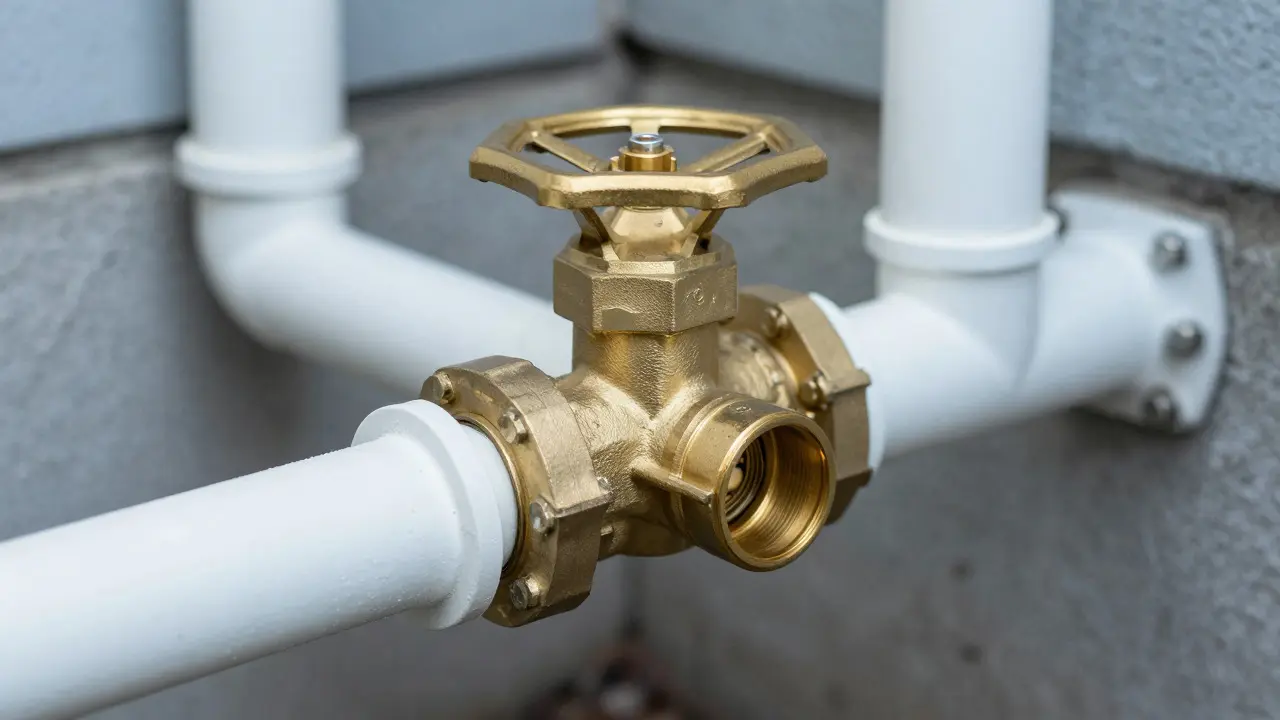
If you install only one device to protect your home, make it a backwater valve. Think of this as a one-way door for your plumbing. It allows water to flow out of your house but closes automatically if sewage tries to flow back in.
Most Chicago homeowners install these valves on the main sewer line exiting the house. When the pressure from the city main rises, a flap inside the valve shuts tight, blocking the return flow. According to the City of Chicago Department of Water Management, installing a backwater valve is the most effective method for preventing sewer backups in areas served by combined sewers.
However, a valve alone isn’t magic. It requires maintenance. Debris like wet wipes, paper towels, and hair can get caught in the flap, preventing it from sealing completely. Inspect your valve twice a year-once before spring rains and once before winter freezes. Clean off any sludge or debris to ensure the mechanism moves freely.
| Method | Effectiveness | Cost Estimate | Maintenance Required |
|---|---|---|---|
| Backwater Valve | High | $1,500 - $3,000 | Semi-annual cleaning |
| Sump Pump | Medium (Groundwater only) | $800 - $2,500 | Monthly testing |
| Interior Drainage System | High (Waterproofing) | $4,000 - $8,000 | Low |
| Gutter Extensions | Low (Supplemental) | $50 - $200 | Cleaning fall/spring |
Managing Groundwater with Sump Pumps
While backwater valves stop sewage from coming up the drain, they don’t stop groundwater from seeping through your foundation walls. This is where a sump pump comes in. A sump pit collects water that leaks into the basement, and the pump ejects it outside, away from the house.
But here is a critical mistake many Chicagoans make: they connect their sump pump directly to the sanitary sewer line. During a heavy storm, if the sewer backs up, that raw sewage can travel backward through the sump pump discharge line and fill your pit. Then, when the pump runs, it sprays sewage across your basement floor.
The solution? Install a check valve on the sump pump discharge line. Better yet, if possible, discharge the sump water onto the lawn, ensuring it flows at least ten feet away from the foundation. Check with your neighborhood alderman or the local ward office about current regulations regarding stormwater discharges, as some zones require separation from the sanitary system.
Emergency Response: What to Do During a Backup
So, the valve failed, or the water came through the walls. Now what? Speed matters. Sewage water degrades quickly, and mold begins to grow within 24 to 48 hours.
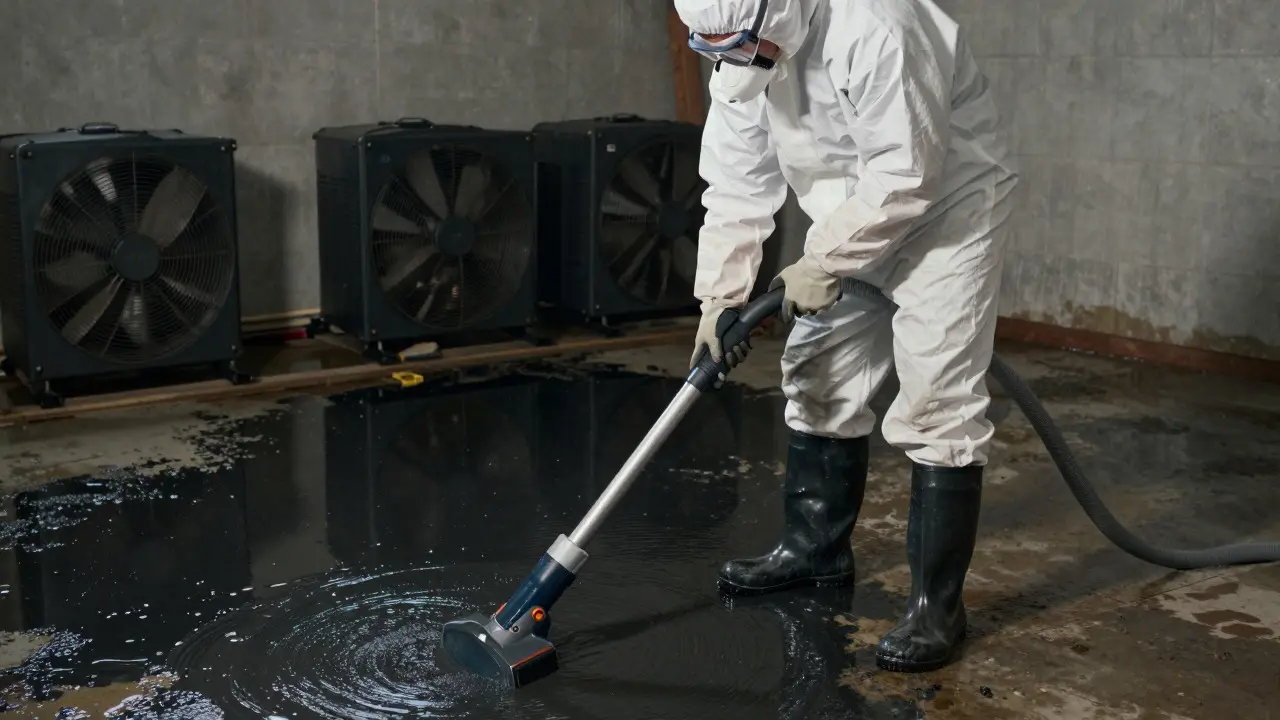
First, safety is paramount. Do not walk through standing water if electrical outlets or appliances are submerged. Turn off the electricity to the affected area at the breaker box if you can reach it safely. Wear rubber boots, gloves, and eye protection. If you have open cuts on your skin, avoid contact entirely.
Next, document everything. Take photos and videos of the damage before you start cleaning. Insurance companies will ask for proof of the extent of the loss. Note the time the water appeared and how fast it rose.
Then, call a professional restoration company. While you can rent industrial fans and dehumidifiers, removing contaminated porous materials like drywall, insulation, and carpet padding often requires specialized disposal protocols. Do not attempt to clean up large amounts of Category 3 "black water" (sewage) with a standard household vacuum. Use a wet/dry vac rated for hazardous waste or hire pros.
Navigating Insurance and Claims
Here is the part that surprises most people: standard homeowner’s insurance policies rarely cover sewer backups. They typically cover sudden and accidental incidents, like a burst pipe, but not gradual overflow from external sources.
You likely need a specific endorsement called Sewer and Drain Coverage. This add-on usually costs between $50 and $200 annually, depending on your location and deductible. Review your policy immediately. If you don’t have this coverage, talk to your agent today. Given the frequency of intense rain events in the Midwest due to climate shifts, this small premium can save you tens of thousands in cleanup costs.
When filing a claim, act fast. Contact your insurer within 24 hours. Provide the documentation you took earlier. Keep receipts for all temporary repairs, such as tarps, pumps, or hotel stays if your home becomes uninhabitable. These are often reimbursable under "Loss of Use" clauses.
Long-Term Prevention Strategies
Beyond valves and pumps, structural changes offer long-term peace of mind. One major issue in Chicago is the grading around the house. If the soil slopes toward your foundation, rain pools against the walls and finds cracks. Ensure the ground around your home slopes away at a rate of six inches over the first ten feet.
Another common culprit is clogged gutters. If gutters overflow, tons of water dump directly next to the foundation. Clean them twice a year. Consider installing gutter guards to reduce debris buildup.
Finally, consider interior drainage systems. Companies like Basement Systems or local contractors install channels along the interior perimeter of the basement floor. These channels collect water entering through the floor-wall joint and direct it to a sump pit. This relieves hydrostatic pressure on the walls, preventing cracks from worsening over time.
Community Resources and Reporting
You aren’t fighting this battle alone. The City of Chicago has resources to help residents report issues and access assistance.
If you see sewage flowing onto the street or a manhole overflowing, report it to 311. This helps the Department of Water Management identify blockages or failures in the public main. Prompt reporting can prevent backups in neighboring homes.
For low-income homeowners, the city occasionally offers grants or rebates for installing backwater valves. Check the Department of Housing website for current programs. Additionally, organizations like Habitat for Humanity sometimes assist with critical home repairs for elderly or disabled residents who cannot afford preventative measures.
Does a backwater valve stop all flooding?
No. A backwater valve prevents sewage from backing up into your home through the sewer line. It does not stop groundwater from leaking through foundation walls or floor cracks. For complete protection, combine a backwater valve with a sump pump and proper exterior grading.
How much does it cost to install a backwater valve in Chicago?
Installation costs typically range from $1,500 to $3,000. This price varies based on the depth of the sewer line, whether concrete needs to be cut and replaced, and the specific type of valve required. Some neighborhoods may have higher labor rates due to difficult access.
Is sewer backup covered by standard homeowners insurance?
Usually, no. Standard policies exclude damage caused by water backing up through sewers or drains. You must purchase a specific endorsement or rider for "Sewer and Drain Coverage." Check your policy declarations page or contact your agent to confirm your coverage status.
What should I wear when cleaning up a sewer backup?
Wear rubber boots, heavy-duty rubber gloves, and eye protection. An N95 mask is recommended to filter airborne pathogens and mold spores. Avoid wearing clothes that touch the contaminated water, and wash all exposed skin thoroughly with soap and hot water after the job.
Can I use bleach to disinfect my basement after a flood?
Yes, but use caution. Mix one cup of chlorine bleach per gallon of water. Apply it to non-porous surfaces like concrete floors and painted walls. Do not mix bleach with ammonia-based cleaners, as this creates toxic gas. Porous materials like drywall and carpet usually need to be removed and discarded rather than cleaned.