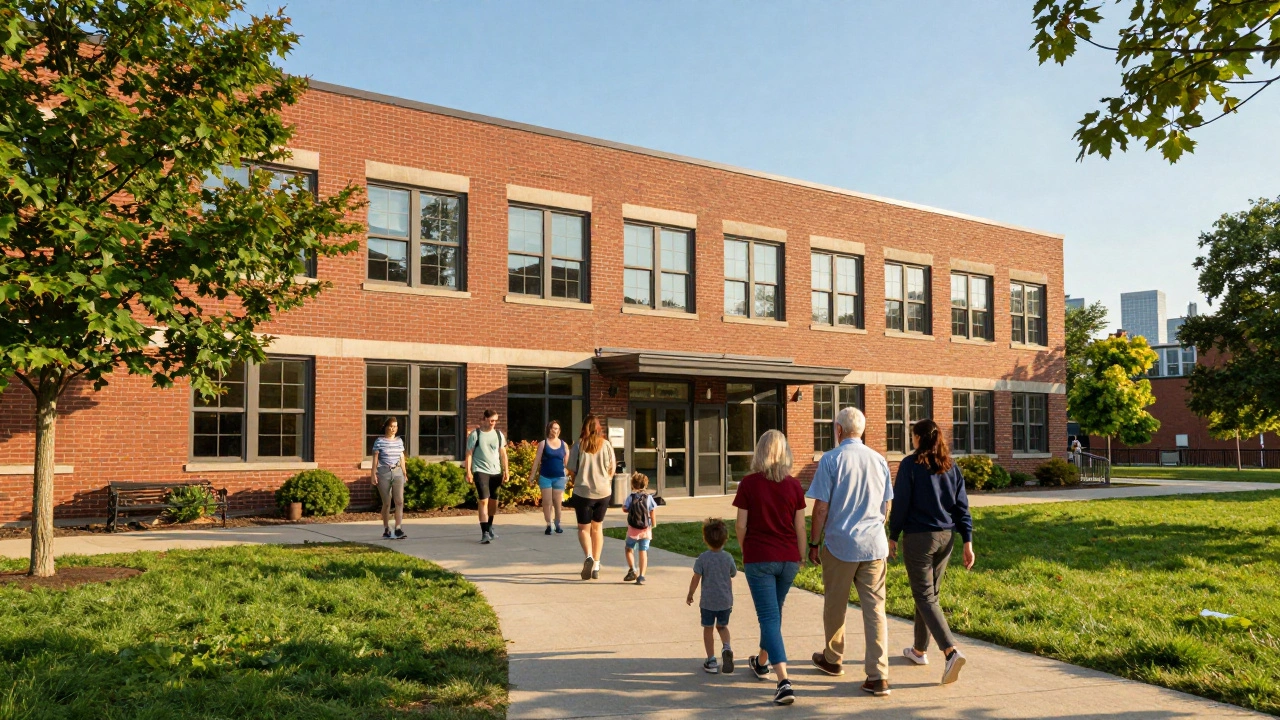
The Heart of the Neighborhood
Ever walk down a street in Chicago and wonder where everyone goes to actually meet up without spending twenty bucks at a coffee shop? Most people think of the city as a collection of skyscrapers and transit lines, but the real soul of the city lives in its neighborhood hubs. Whether you're a new resident trying to figure out where to take your kids after school or someone looking for low-cost mental health support, Chicago community centers act as the connective tissue that keeps the city's diverse populations from feeling isolated.
These spaces aren't just buildings with gymnasiums; they are vital resource hubs. In a city with over 77 neighborhoods, the gap between available services and people who need them can be wide. Knowing how to navigate these centers means accessing everything from ESL classes to food pantries and youth sports. If you've never stepped inside one, you're missing out on the most accessible way to get involved in your local civic life.
| Center Type | Primary Focus | Typical Services | Funding Model |
|---|---|---|---|
| CPRN Centers | General Recreation | Gyms, Pools, Arts | City-Funded |
| Non-Profit Hubs | Social Welfare | Counseling, Food Banks | Grants/Donations |
| Neighborhood Houses | Family Support | Childcare, Senior Care | Mixed Hybrid |
Navigating the Chicago Park District Network
The most visible version of these hubs is managed by the Chicago Park District is the municipal agency responsible for the city's vast network of parks, fieldhouses, and recreational facilities. Also known as CPD, it operates hundreds of fieldhouses that serve as the default community center for millions of residents.
If you're looking for a place to play basketball, join a pottery class, or swim in a public pool, this is your starting point. These centers are usually the most affordable options because they are taxpayer-funded. A great example is the Humboldt Park fieldhouse, which doesn't just offer sports but serves as a cultural anchor for the Puerto Rican community, hosting festivals and educational workshops that reflect the neighborhood's identity.
To make the most of these, don't just look at the online brochure. Walk in and ask about "drop-in" programs. Many centers have unlisted activities, like senior coffee hours or local gardening clubs, that aren't always captured in the digital registration system. The key is to identify which fieldhouse is your "home" center-the one closest to your zip code-as that's where you'll find the most consistent social circles.
Social Services and Specialized Support Hubs
While the park district handles the "fun" side of recreation, other centers focus on survival and stability. These are often run by non-profits or faith-based organizations and provide critical Social Services which are support systems designed to help individuals and families meet their basic needs and improve their quality of life.
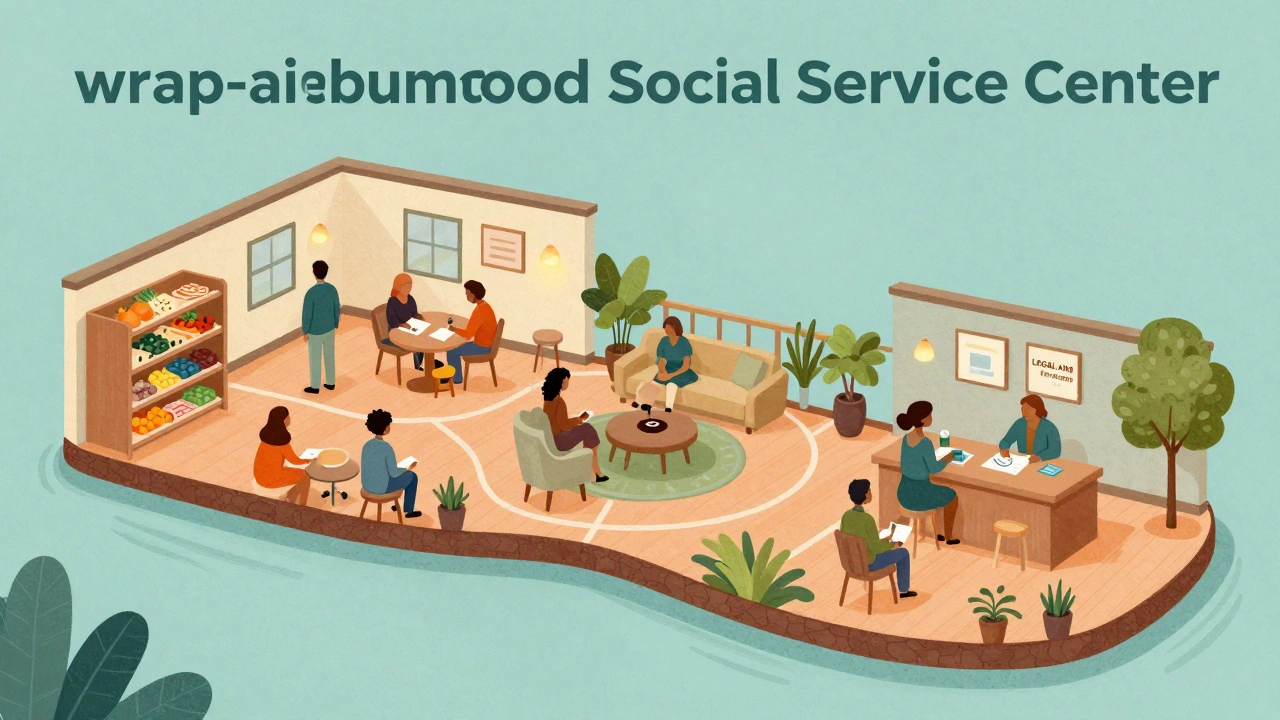
Take, for instance, the various Neighborhood Houses scattered across the city. These aren't houses in the residential sense, but community centers that often provide a "wrap-around" approach to care. If a family comes in for a food pantry, the staff might also help them apply for SNAP benefits or connect them with a local healthcare clinic. This integrated approach is far more effective than visiting five different government offices across the city.
For those dealing with the housing crisis or unemployment, centers like the la Familia UC (and similar community-led organizations) provide more than just a roof or a check; they provide legal aid and advocacy. These centers are often the first place people go when they are overwhelmed by the bureaucracy of city government. They act as translators-not just for language, but for how to actually get things done in Chicago.
Youth Engagement and After-School Safe Havens
One of the most urgent needs in any urban environment is a safe place for teenagers to go between 3 PM and 6 PM. Chicago's community centers step in here with Youth Programming, including structured extracurricular activities, mentorship, and educational support for children and adolescents.
Programs like the Boys & Girls Clubs of Chicago are gold standards here. They don't just offer a gym; they offer coding classes, SAT prep, and mental health counseling. By providing a structured environment, these centers significantly reduce the risk of youth involvement in street violence and provide a pathway to higher education.
If you have a teenager, look for centers that offer "vocational training." Some hubs have partnered with local trade unions to offer introductions to plumbing, electrical work, or digital design. This bridges the gap between a high school diploma and a living-wage career, turning a neighborhood center into a launchpad for economic mobility.
Empowering Seniors through Social Connection
Loneliness is a silent epidemic among the elderly, and Chicago's community centers are the primary weapon against it. Many centers have dedicated senior wings or specific hours where the pace slows down and the focus shifts to social wellness.
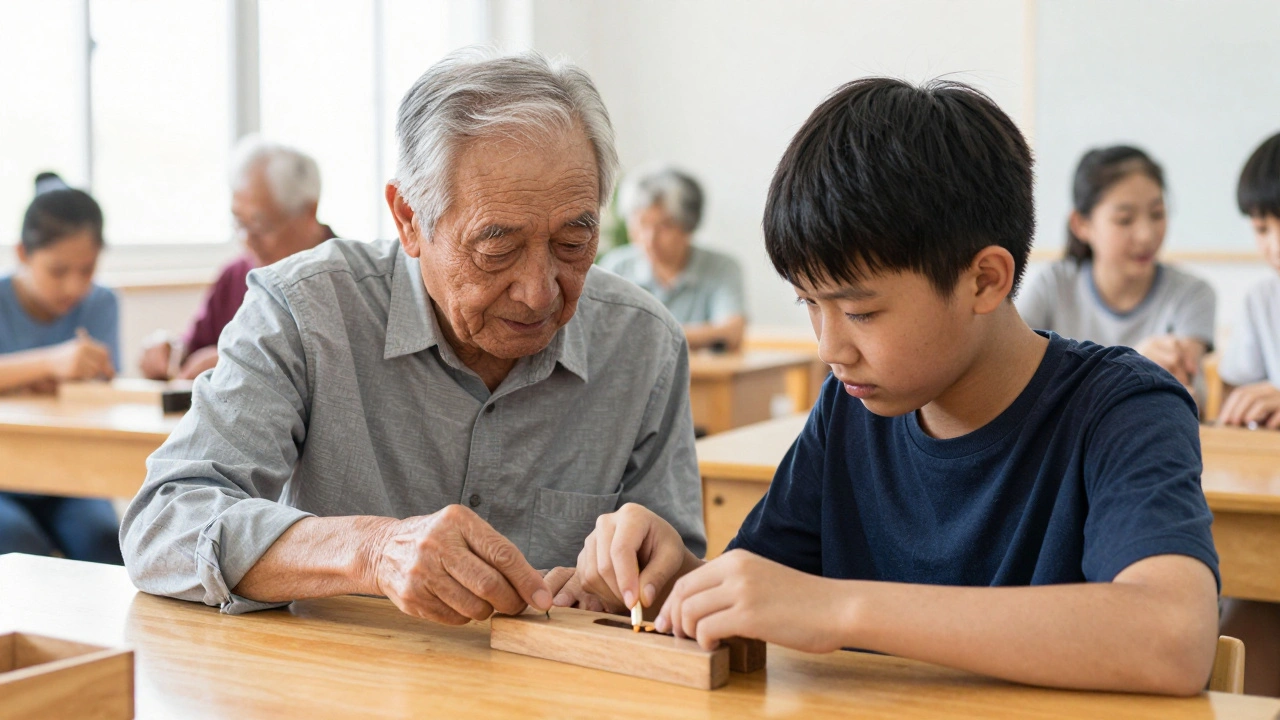
From "Silver Sneakers" fitness classes to communal lunch programs, these services keep seniors active and healthy. But more importantly, they provide a sense of purpose. Many centers utilize a volunteer model where seniors mentor youth or lead workshops in traditional crafts. This intergenerational exchange is what actually builds a community, rather than just providing a service.
When looking for senior services, check if the center provides transportation. Many Chicago hubs coordinate with PACE (Program of All-Inclusive Care for the Elderly) or city shuttles to ensure that mobility issues don't lead to total isolation. A center is only useful if the people who need it most can actually get through the front door.
How to Get Involved in Civic Engagement
Using a community center is one thing, but contributing to one is where true civic engagement begins. Most of these facilities are chronically underfunded and rely on a mix of city grants and local donations. If you want to make a difference, you don't necessarily need to write a large check.
Start by attending a community board meeting. Most centers host these monthly to discuss neighborhood safety, zoning changes, or new program requests. This is where you find out that the "broken streetlight on 47th street" is actually a city-wide issue being discussed by the City Council. By participating in these meetings, you move from being a consumer of services to a stakeholder in your neighborhood.
Volunteering your professional skills is another high-impact move. Are you an accountant? Help a small non-profit center with their taxes. Are you a graphic designer? Help them make their flyers more readable. This "skill-sharing" model ensures that the center's limited funds go toward direct services rather than expensive outside consultants.
How do I find the community center closest to my home?
The fastest way is to use the Chicago Park District's "Find a Park" map online. For non-profit social service centers, the 311 city service line or local ward offices provide the most accurate lists of neighborhood-specific resource hubs.
Are the programs at Chicago community centers free?
It varies. Chicago Park District programs often have a nominal fee, but many offer scholarships or "low-income' waivers. Non-profit social service centers (like food pantries or counseling hubs) are typically free or operate on a sliding-scale payment system based on income.
What is the difference between a fieldhouse and a community center?
In Chicago, a "fieldhouse" usually refers to a city-run facility within a park focused on recreation and athletics. A "community center" is a broader term that includes fieldhouses but also encompasses private non-profits, religious centers, and social service agencies focusing on welfare and advocacy.
Can I use these centers for business meetings or events?
Yes, many Chicago community centers rent out multipurpose rooms or gymnasiums for a small fee. This is a common way for local grassroots organizations to host meetings without the overhead of a private office.
Do I need a residency permit to use these facilities?
Generally, no. While some specific residency-based grants or programs might exist, most Chicago Park District and non-profit centers are open to all residents of the city, regardless of which neighborhood they live in.
Next Steps for Residents
If you're feeling overwhelmed by the options, start small. Pick one Saturday a month to visit a different center. If you're a parent, prioritize the youth programming sections to find a mentor for your child. If you're a professional, check the volunteer boards near the entrance of your local hub.
For those in a crisis, don't wait for an appointment. Most social service centers have "intake officers" who can help you prioritize your needs-whether it's food, housing, or legal help-right on the spot. The city is big, but your neighborhood doesn't have to feel that way. The doors are open; you just have to walk through them.