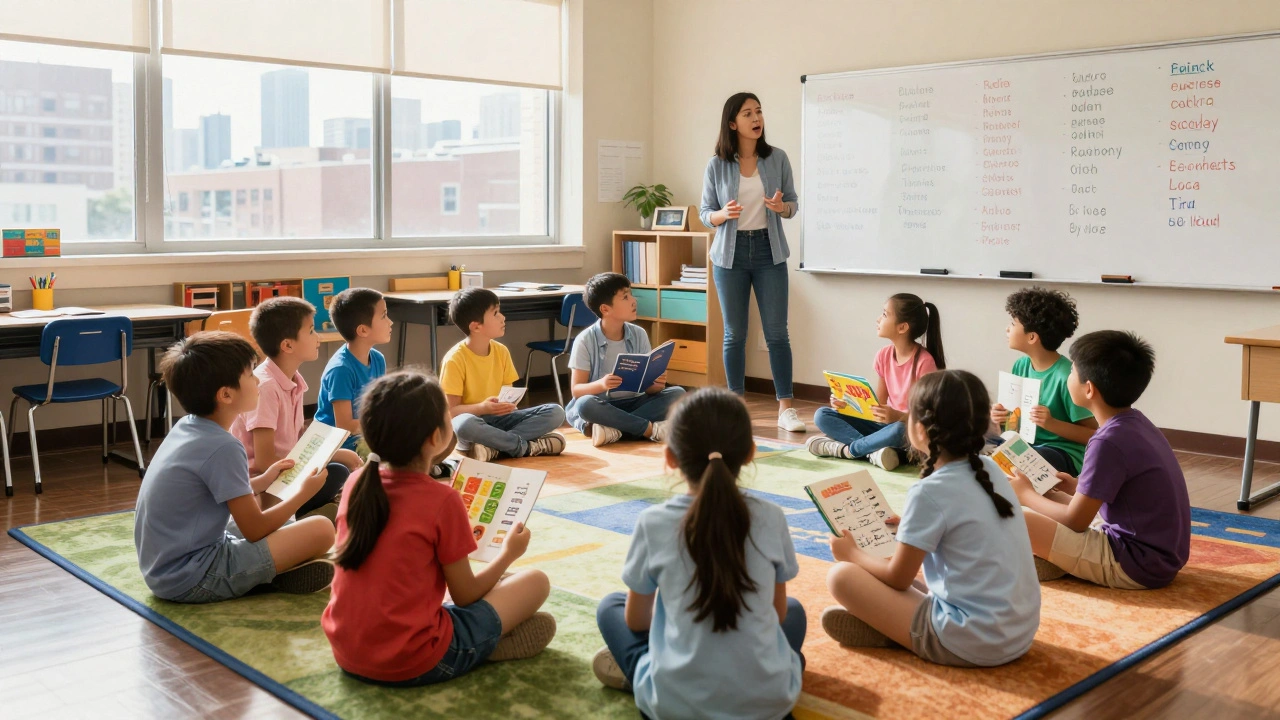
Walking into a Chicago Public Schools (CPS) elementary school, you might hear Spanish, Arabic, or Mandarin being spoken just as naturally as English. For parents navigating the complex landscape of urban education, this sounds promising. But there is a catch. Not all language programs are created equal. In fact, confusing a standard bilingual program with a rigorous dual-language immersion model can lead to very different academic outcomes for your child.
If you are looking to give your child an edge in a global economy, understanding the difference between these models is crucial. The Chicago Department of Education has been expanding its multilingual offerings, but the quality and structure vary significantly from neighborhood to neighborhood. This guide breaks down exactly what these programs are, how they work, and which one fits your family’s goals.
The Difference Between Bilingual and Dual-Language
First, let’s clear up the terminology. You will often see these terms used interchangeably by staff and even some administrators, but they represent two distinct educational philosophies.
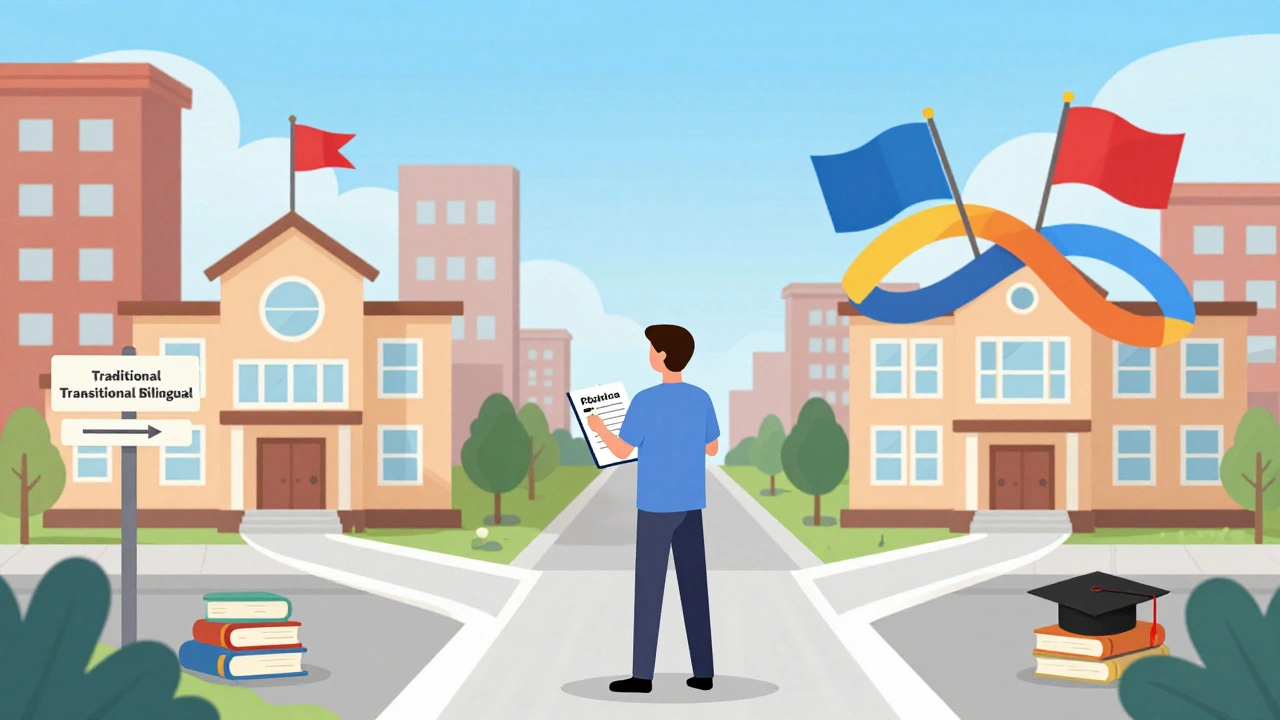
Bilingual Education traditionally focuses on helping English Learners (ELs) transition into mainstream English instruction. The goal is often transitional: use the home language to support learning until the student is proficient enough in English to thrive in a standard classroom. While valuable for supporting heritage speakers, it does not always aim for full proficiency in both languages.
Dual-Language Immersion, on the other hand, is a two-way street. It brings together native English speakers and native speakers of another language (such as Spanish, Mandarin, or Arabic) in the same classroom. The goal is bilingualism and biliteracy for all students. Research consistently shows that students in high-quality dual-language programs outperform their peers in standardized tests, not just in reading and writing, but in math and science as well.
| Feature | Traditional Bilingual | Dual-Language Immersion |
|---|---|---|
| Primary Goal | English proficiency & transition | Bilingualism & biliteracy |
| Student Population | Primarily English Learners | Mixed: Native English + Heritage Speakers |
| Instruction Time | Varies (often less than 50%) | Typically 50/50 or 90/10 split |
| Long-term Outcome | Functional English skills | Cognitive flexibility & global competence |
How Dual-Language Models Work in Chicago
In Chicago, the most common model is the 50/50 Dual-Language Model. Here is how it typically plays out in a CPS classroom:
- Kindergarten: Instruction is split evenly. Half the day is taught in English, half in the partner language (e.g., Spanish).
- Grades 1-5: The ratio remains roughly 50/50, but the complexity increases. Students learn math in Spanish and read literature in English, or vice versa, depending on the grade level cycle.
- Teacher Collaboration: Successful programs feature co-teaching. An English-speaking teacher and a Spanish-speaking teacher plan lessons together, ensuring that concepts learned in one language are reinforced in the other.
This isn’t just about vocabulary drills. It’s about thinking in two languages. When a child solves a math problem in Arabic, they are developing cognitive flexibility-the ability to switch between mental frameworks. This skill is highly valued in college admissions and future careers.
Top Languages Offered in CPS Dual-Language Schools
Chicago is one of the few major U.S. cities with a robust network of dual-language schools beyond Spanish. As of 2026, CPS offers programs in several languages, reflecting the city’s diverse demographic makeup.
- Spanish: The most widespread option. Dozens of elementary schools across neighborhoods like Pilsen, Little Village, and Lincoln Park offer Spanish-English dual-language tracks.
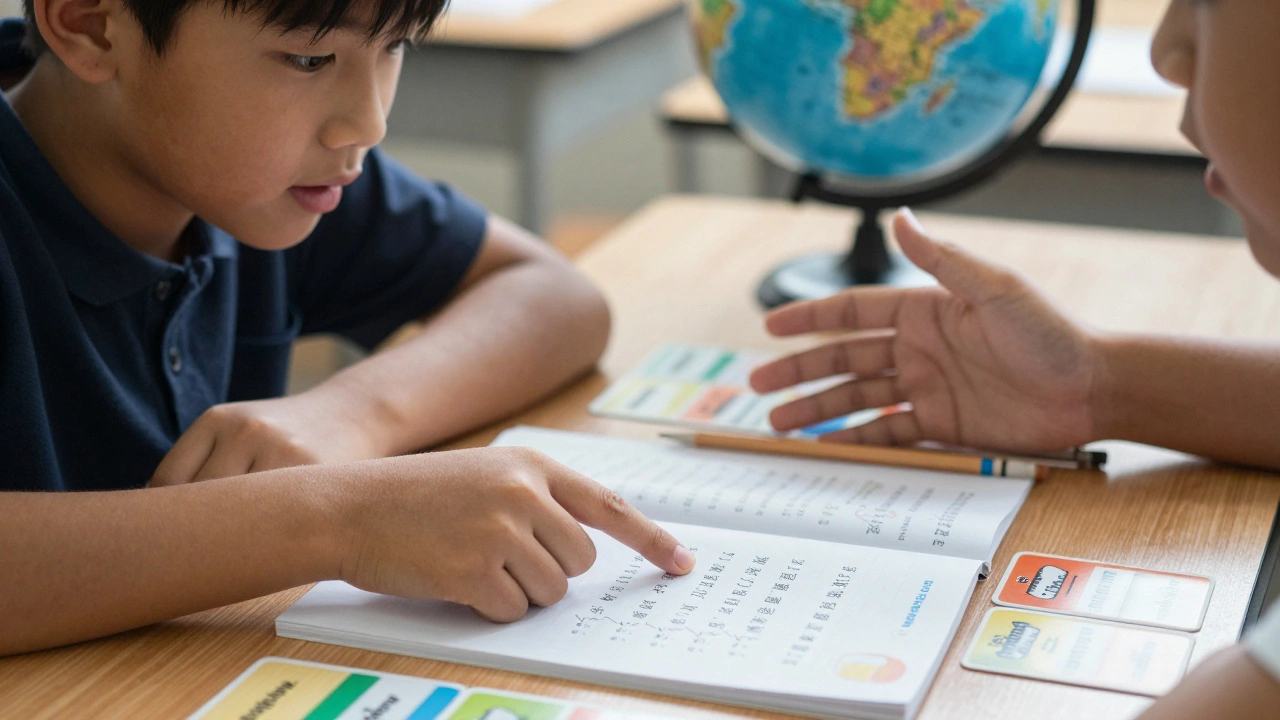
- Mandarin Chinese: Growing rapidly due to demand from families in Chinatown and surrounding areas. These programs often emphasize character recognition alongside spoken fluency.
- Arabic: With significant communities in Logan Square and Hermosa, Arabic dual-language programs provide critical cultural and linguistic bridges.
- Korean: Smaller in number but highly concentrated in specific feeder patterns, offering deep cultural immersion.
- Hindi: Emerging programs in South Side communities are beginning to gain traction, serving the growing Indo-Chicagoan population.
Note that availability changes annually based on enrollment caps and staffing. Always check the current year’s school directory on the CPS website rather than relying on outdated lists.
Benefits Beyond Language Skills
You might be wondering if the effort is worth it. The data says yes. Studies from the National Association for Bilingual Education indicate that students in dual-language programs show:
- Higher Test Scores: By fourth grade, dual-language students often surpass monolingual peers in English reading and math scores.
- Cultural Competence: Children develop empathy and respect for diverse cultures through daily interaction with peers from different backgrounds.
- Cognitive Advantages: Bilingual brains show delayed onset of age-related cognitive decline and better executive function skills.
For English learners specifically, maintaining their home language prevents "subtractive bilingualism," where a child loses their native tongue while acquiring English. Dual-language programs ensure additive growth-gaining a new language without losing the old one.
Challenges and Realities Parents Should Know
No program is perfect. Before enrolling, consider these practical challenges:
The "Dip" Phenomenon: In grades 2-3, students may appear to struggle academically compared to monolingual peers. This is normal. They are building foundational literacy in two systems simultaneously. Patience is key. Research shows they catch up and overtake by grade 4.
Consistency Matters: Dual-language requires long-term commitment. If you move schools mid-program, your child may lose continuity. Look for schools with established track records, not just new pilot programs.
Parental Support: You don’t need to speak the second language to support your child, but you should engage with the curriculum. Attend parent workshops, volunteer, and encourage reading in both languages at home.
How to Find and Apply to Dual-Language Schools
Finding the right school involves more than just checking a box on the application. Follow these steps:
- Identify Your Priorities: Do you want a specific language? A particular neighborhood? A magnet school or a traditional neighborhood school?
- Use the CPS School Directory: Filter by "Dual Language" or "Bilingual" under program types. Note that some schools list "World Language" which may not be true immersion.
- Visit Open Houses: Ask specific questions: What percentage of instruction is in the target language? How many years have teachers been in the program? Is there a waitlist?
- Apply Early: Popular dual-language schools fill quickly. Submit your application during the priority window for maximum chances.
- Prepare for Lotteries: Many top-performing dual-language schools use lottery systems. Have backup choices ready.
Remember, proximity doesn’t guarantee access. Some of the best dual-language programs are located outside your immediate ward. Be willing to explore broader options.
Questions Parents Often Ask
Does my child need to speak a second language to enter a dual-language program?
No. Dual-language programs are designed for both native English speakers and heritage speakers. In fact, mixing the two groups is essential for the model to work. Your child will learn the second language through immersion, just as they learned English.
What happens if my child struggles with the second language?
Teachers use scaffolding techniques to support comprehension. If a child falls behind, the school should provide additional resources. However, consistent attendance and home engagement are critical. Most children adjust within the first year.
Are dual-language schools only available in elementary school?
Currently, most CPS dual-language programs end after fifth grade. However, some middle and high schools offer advanced placement (AP) courses in world languages. Check with individual schools for continuity plans.
How do I know if a school is truly dual-language or just bilingual?
Ask about the instructional time split. True dual-language aims for 50% instruction in each language. Also, ask if the program serves both native English speakers and heritage speakers equally. If it primarily serves English Learners transitioning to English, it is likely traditional bilingual.
Is there extra cost for dual-language programs?
No. All CPS dual-language programs are free public education. Some private or charter schools may charge tuition, but within CPS, there are no additional fees for participation.