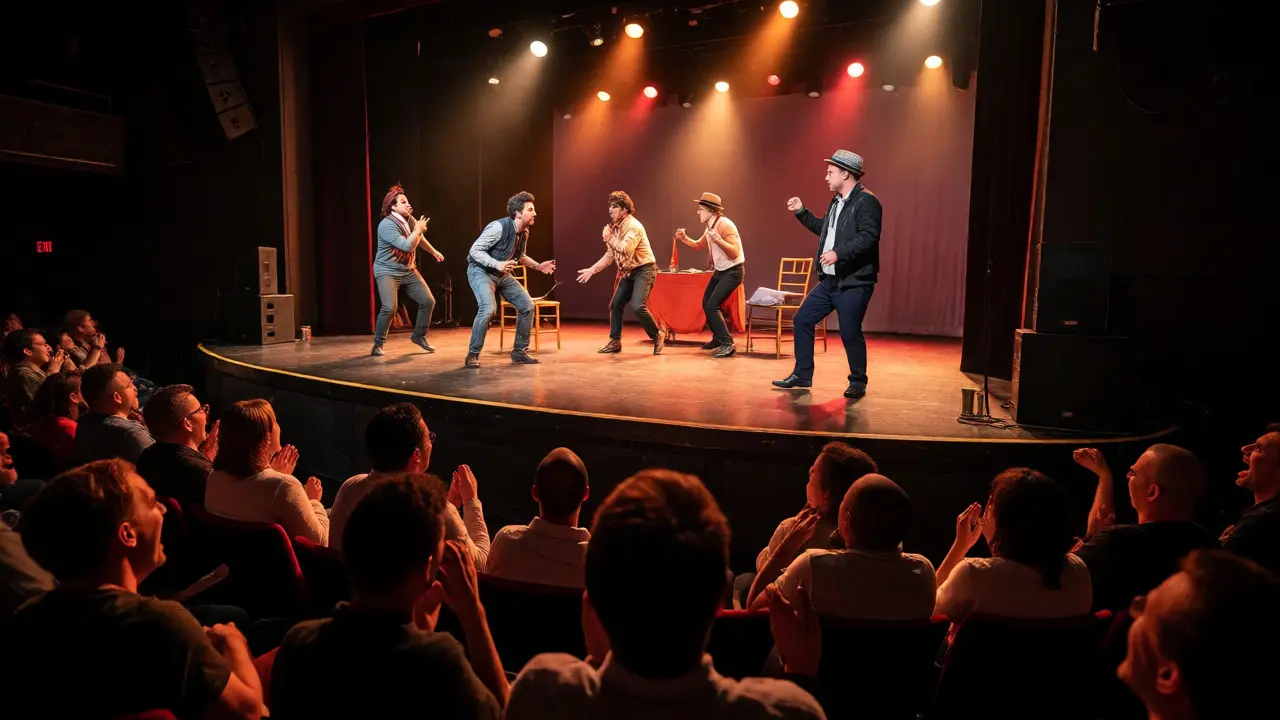
You think you know comedy? Try navigating the Windy City’s festival circuit. Chicago isn’t just a stop on the tour; it’s the engine room of American humor. If you’re looking for Chicago comedy festivals, you’re stepping into a landscape where the stakes are high, the punchlines are sharp, and the audience is brutally honest. Whether you want to watch a five-person troupe improvise a musical in ten minutes or sit three feet from a comedian testing their new hour, the city delivers. But with dozens of venues and overlapping events, how do you pick the right show? Let’s break down the must-see sketch and stand-up experiences that define this scene.
The Big Two: Chicago Improv Festival and Chicago Sketchfest
If you only have time for two major events, make them these. The Chicago Improv Festival (CIFF) is arguably the most significant gathering of improvisational talent in the world. Held annually in the summer, usually around June or July, CIFF transforms the city into a playground for long-form improv. You’ll see teams from all over the globe competing in the National Invitational Tournament, but the real magic happens in the smaller, experimental shows at the iO Theater and the Second City. These aren’t just performances; they are masterclasses in listening and building. The energy in the room during a tournament final match is electric, with audiences cheering like it’s a sports playoff.
On the other end of the spectrum is Chicago Sketchfest. While improv is about spontaneity, sketch comedy is about precision. This festival, typically held in the fall, showcases written and rehearsed comedy troupes. It’s a chance to see polished bits, recurring characters, and absurd scenarios played out with comedic timing that leaves no room for error. Unlike the loose vibe of improv, sketchfest appeals to those who love structure, callbacks, and visual gags. Many of the troupes performing here are alumni of the ImprovOlympic (now iO) training programs, meaning the quality bar is incredibly high. If you prefer your laughs scripted and tight, this is your event.
Stand-Up Spotlight: Chicago International Comedy Festival
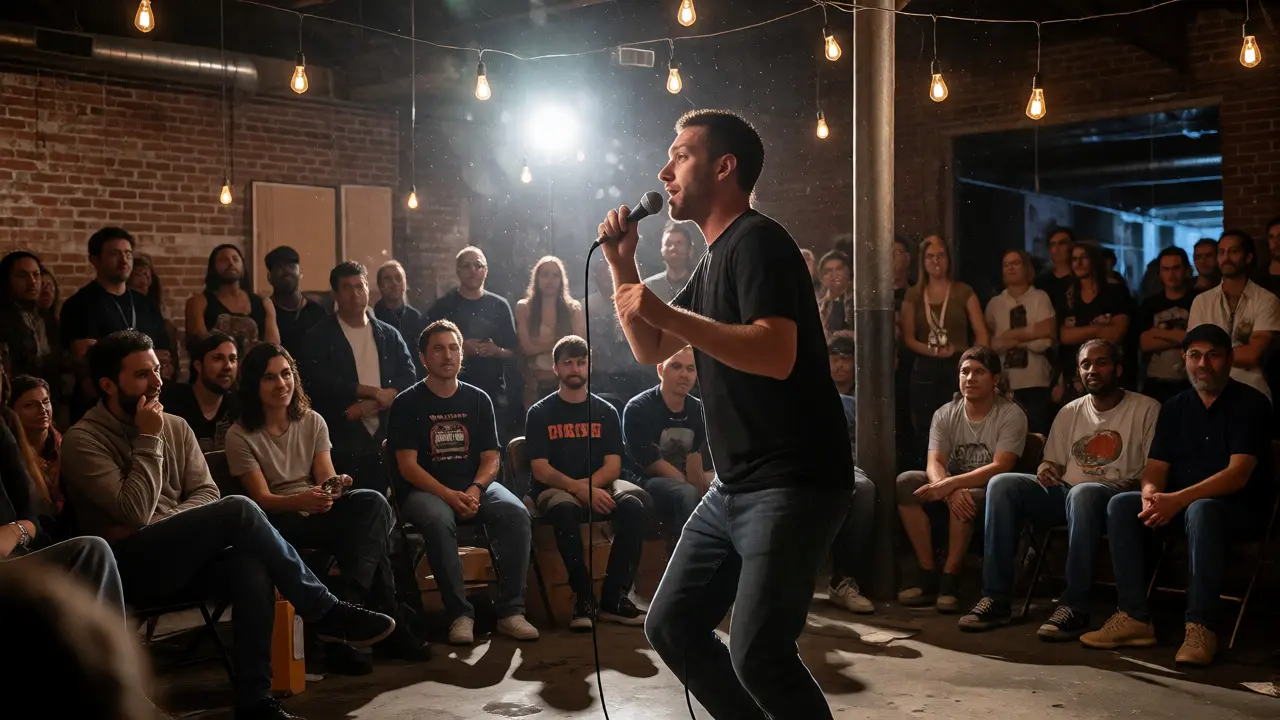
While sketch and improv dominate the conversation, stand-up has its own heavyweight champion in the Chicago International Comedy Festival. This multi-day event brings together both local heroes and international stars. It’s not just about headliners selling out big theaters; it’s about discovering the next big thing. The festival often features "comedy clubs" pop-ups in unconventional spaces-think basements, warehouses, or even moving buses. This format breaks down the barrier between performer and audience. You might find yourself laughing so hard you spill your drink while sitting on a folding chair in an alleyway behind Wicker Park.
What makes this festival unique is its emphasis on diversity and emerging voices. The programming committees actively seek out comedians from underrepresented backgrounds, ensuring a wide range of perspectives. You’ll hear jokes about everything from tech culture to family dynamics, delivered by people who’ve actually lived through them. It’s raw, unfiltered, and often surprisingly poignant. If you’re tired of the same recycled material you see on late-night TV, this festival offers a refreshing dose of authenticity.
Venue Guide: Where the Magic Happens
You can’t talk about Chicago comedy without talking about its venues. These institutions are more than just buildings; they are cultural landmarks. Understanding where each festival operates helps you plan your trip better. Here’s a quick breakdown of the key players:
| Venue Name | Specialty | Best For |
|---|---|---|
| The Second City | Sketch & Improv | Classic Chicago style, mainstage revues |
| iO Theater | Long-form Improv | Experimental shows, tournament matches |
| The Hideout | Alternative Comedy | Music-comedy hybrids, indie acts |
| Zanies | Traditional Stand-Up | Dinner-and-a-show experience, headliners |
The Second City is the granddaddy of them all. Founded in 1959, it launched the careers of Tina Fey, Steve Carell, and Stephen Colbert. Their mainstage revue runs year-round, but during festivals, they host special guest performers and industry showcases. The atmosphere is historic, with walls covered in photos of past cast members. It’s a pilgrimage site for comedy fans.
The iO Theater, located in Lincoln Park, is the heart of the improv community. It’s less touristy than Second City and more focused on the craft of long-form improv. During the Chicago Improv Festival, iO becomes the central hub, hosting multiple stages simultaneously. You can hop from a short-form game show in one room to a surreal, hour-long narrative in another. The crowds here are often fellow comedians and students, which adds a layer of critical appreciation to the laughter.
How to Navigate the Festivals Like a Pro
Attending these festivals can be overwhelming if you don’t have a strategy. Tickets sell out fast, especially for popular headliners or tournament finals. Here’s how to maximize your experience:
- Buy Passes Early: Most festivals offer multi-day passes that give you access to all shows. These are significantly cheaper than buying individual tickets and often include perks like early entry or meet-and-greets. Secure yours as soon as sales open.
- Embrace the Unknown: Don’t just stick to famous names. Some of the best shows feature unknown troupes trying out new material. Give them 15 minutes. If they don’t land, move on. But if they do, you’ve discovered something special before everyone else.
- Check the After-Hours Schedule: Many festivals host late-night shows after 10 PM. These tend to be looser, weirder, and more experimental. They’re also less crowded, making it easier to get a seat. Plus, the crowd is usually in a festive mood.
- Respect the Etiquette: In improv shows, silence is golden. Talking during scenes ruins the immersion for everyone. Save your commentary for the lobby. Also, turn off your phone. The light from a screen is distracting enough in a dark theater; the sound of a notification is deadly.
Beyond the Stage: The Community Aspect
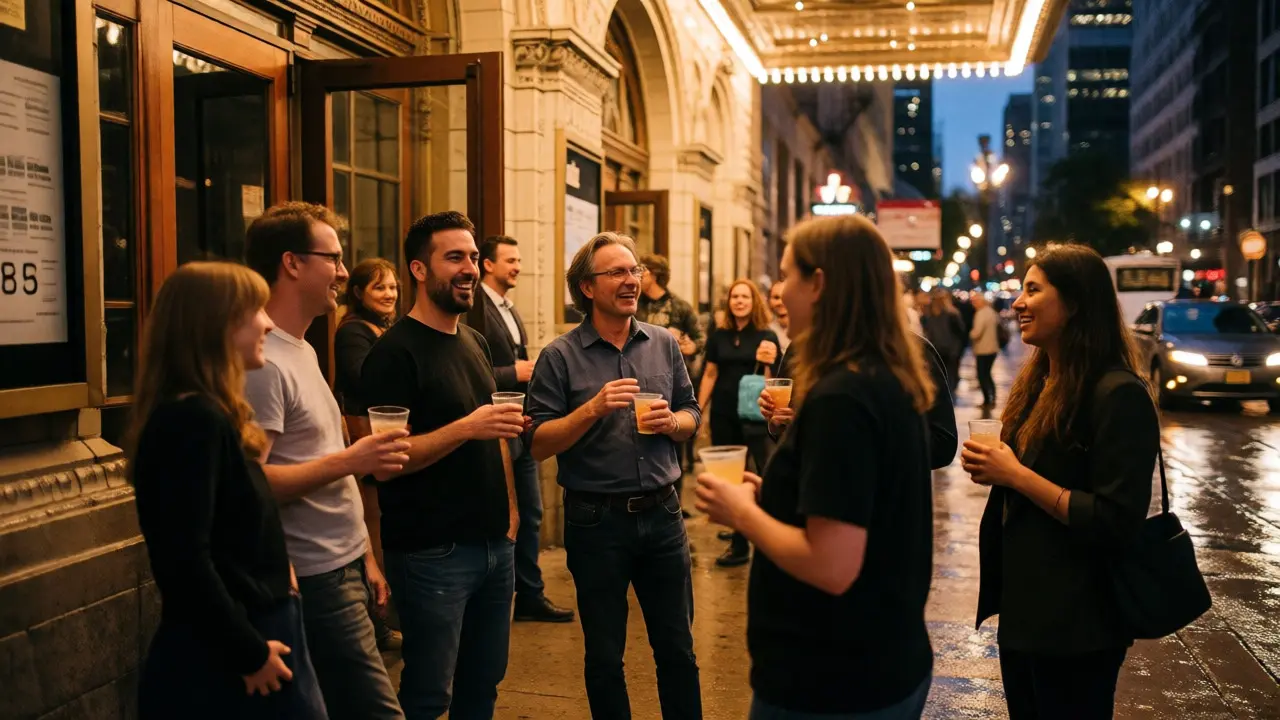
One of the coolest things about Chicago’s comedy scene is its accessibility. Unlike New York or Los Angeles, where comedians might feel distant, Chicago’s scene is tight-knit. During festivals, performers often hang out in the bars near the venues. You might spot a writer from Saturday Night Live having a beer at a dive bar in Bucktown. Strike up a conversation. Comedians love talking about their process, and they’re generally approachable when they’re not working.
This community vibe extends to the workshops offered during festivals. Many events include panels or classes taught by veteran performers. Attending one of these gives you insight into how jokes are constructed and how scenes are built. It’s educational and entertaining, bridging the gap between spectator and participant. Even if you never step on stage, understanding the mechanics enhances your appreciation of what you’re watching.
Practical Tips for Your Visit
Timing matters. Most major festivals happen in the warmer months, from late spring to early fall. This aligns with Chicago’s pleasant weather, allowing for outdoor pre-show gatherings. However, indoor venues are climate-controlled, so dress in layers. Summer nights can get chilly once the sun goes down.
Transportation is straightforward. The CTA trains connect most major venues. The Brown Line takes you to the iO Theater, while the Red Line drops you close to Second City locations. Parking downtown can be a nightmare, so leave the car at home. Use rideshares or public transit to avoid stress and potential fines.
Food options abound. Many venues have attached restaurants or bars. Pre-theater dinner is a tradition, but book reservations well in advance. Alternatively, grab street food nearby. Chicago-style pizza or a hot dog from a local vendor makes for a perfect casual meal before heading into a show.
Why Chicago Stands Out
Why bother traveling to Chicago for comedy? Because the density of talent is unmatched. You can see four different styles of comedy in one night: traditional stand-up, character-driven sketch, long-form improv, and alternative performance art. No other city offers this variety in such a compact geographic area. The competition among performers drives innovation. If you tell a bad joke here, the audience lets you know immediately. That pressure cooker environment produces sharper, funnier content.
Moreover, the cost is reasonable compared to coastal cities. Ticket prices are lower, and there are plenty of free or pay-what-you-can shows. You can spend a weekend immersed in comedy without breaking the bank. The return on investment-in terms of laughs and memories-is exceptionally high.
When is the best time to attend comedy festivals in Chicago?
The peak season runs from May through September. The Chicago Improv Festival typically occurs in June or July, while Chicago Sketchfest often takes place in October. The Chicago International Comedy Festival varies but frequently falls in the spring or fall. Booking tickets 4-6 weeks in advance is recommended for popular shows.
Do I need to buy tickets in advance for comedy shows?
Yes, especially for festivals. Popular headliners and tournament finals sell out quickly. Multi-day festival passes should be purchased as soon as they go on sale. For regular nightly shows at venues like Second City or iO, booking a few days ahead ensures good seating, though walk-ins are sometimes possible.
Is Chicago comedy suitable for families?
It depends on the venue and show. Mainstage reviews at Second City are generally family-friendly. However, many improv shows and stand-up sets contain adult language and themes. Check the age rating listed on the ticket. Late-night festival shows are almost exclusively for adults.
What is the difference between sketch and improv comedy?
Sketch comedy is scripted and rehearsed, featuring pre-written scenes with defined characters and plots. Improv is created spontaneously in front of the audience, with no script. Both require strong comedic timing, but improv relies heavily on listening and collaboration, while sketch focuses on writing and performance precision.
Are there free comedy events in Chicago?
Yes, many venues offer free shows, particularly on weeknights or during festival fringe events. Look for "pay-what-you-want" nights at places like the iO Theater or smaller black-box theaters in neighborhoods like Andersonville. These are great opportunities to see emerging talent without financial commitment.