
The Reality of Monthly HOA Fees
When you buy into a managed community, you're paying for more than just walls and floors. You're paying for a shared ecosystem. HOA Fees is a recurring monthly payment made by homeowners in a community to a Homeowners Association to cover common area maintenance and shared services. Commonly referred to as condo fees in the city, these payments keep the elevators running and the lobby clean.
In Chicago, these fees vary wildly. A smaller, self-managed three-flat in Avondale might only charge $150 a month to cover basic snow removal and lawn care. Meanwhile, a luxury building in Streeterville with a 24-hour doorman, a fitness center, and a heated pool can easily charge $800 to $1,200 per month. You have to ask yourself: do I actually need a concierge, or am I paying for a luxury I'll never use? These fees aren't optional. If you miss a payment, the association can put a lien on your property, which is a headache you definitely want to avoid.
The Dreaded Special Assessment
If monthly fees are the predictable part of your budget, Special Assessments are the jump scares of real estate. A special assessment is a one-time fee levied by an HOA to fund a major capital project or cover an unexpected deficit in the reserve fund. Think of it as a mandatory "emergency tax" for your building.
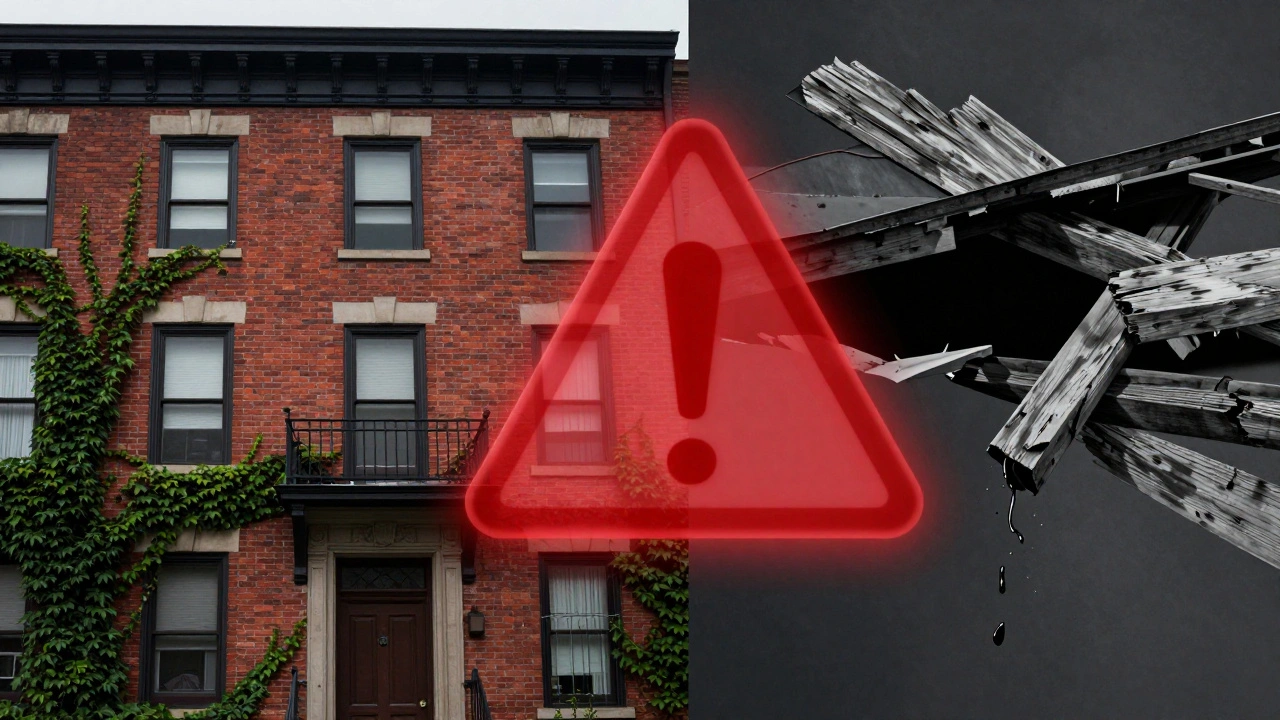
Imagine this: you just closed on your dream home. Three months later, the board decides the building needs a new roof or the elevators are failing. Suddenly, you get a letter saying every unit owner owes $10,000. This isn't a suggestion; it's a requirement. In older Chicago buildings-especially those beautiful vintage conversions in Lincoln Park-these are common because the infrastructure is aging. To avoid this, you need to dig into the building's "reserve study." If the reserve fund is empty and the brickwork is crumbling, a special assessment is almost a certainty.
Common Area Maintenance and Hidden Repairs
There is a big difference between what you own and what the building owns. In a condo, you typically own the "airspace" inside your walls. Everything else is a Common Element, which is any part of a condominium project that is not part of the individual units, such as hallways, roofs, and plumbing mains. While the HOA covers the big stuff, the line is often blurry.
Take a leaky pipe for example. If the pipe bursts inside your wall, it might be your responsibility. But if the main riser for the whole building leaks, the HOA handles it-though they might use your monthly fees or a special assessment to pay for it. You also have to consider "unit-specific" repairs that are often ignored. In Chicago's extreme temperature swings, pipes freeze and expand. If you've never replaced the old galvanized plumbing in your unit, you're essentially gambling with your security deposit.
| Feature | Monthly HOA Fees | Special Assessments |
|---|---|---|
| Predictability | High (Fixed monthly) | Low (Unexpected) |
| Purpose | Daily operations/Staff | Major repairs/Upgrades |
| Payment Frequency | Every month | One-time or short-term installments |
| Impact on Budget | Steady overhead | Potential financial shock |
The Impact of Chicago Property Taxes
We can't talk about hidden costs without mentioning Cook County Property Taxes. The annual tax levied by the local government on real estate holdings, which in Chicago is notoriously volatile and high. Many first-time buyers look at the current tax bill and assume it will stay that way. That is a huge mistake.
When a property changes hands, the city often reassesses the value based on the new sale price. If you buy a place for $400,000 that was previously owned for 30 years, your taxes could jump significantly within a year. This is essentially a hidden increase in your monthly housing cost. Always check the historical tax trends for the neighborhood to see if there's a pattern of steep hikes.
How to Audit a Building Before You Buy
You shouldn't just trust the listing agent when they say the building is "well-managed." You need to do your own detective work. Start by asking for the last two years of meeting minutes from the board. If you see a lot of arguments about "leaking basements" or "parking garage cracks," that's a red flag. You're looking for a healthy Reserve Fund, which is a savings account maintained by the HOA to pay for future long-term repairs and replacements. A building with no reserves is a building waiting for a special assessment.
Check the budget for "deferred maintenance." If the board has been pushing off painting the exterior for five years to keep monthly fees low, they aren't saving you money-they're just delaying the bill. A well-run building has a clear plan for when the roof needs replacing and the funds to pay for it without asking owners for a giant check.

Strategies for Managing Your Housing Budget
To keep your head above water, you need a different approach to budgeting than you would for a single-family home. Instead of a generic "home repair" fund, split your savings into two buckets. One bucket is for your internal unit upgrades-like new floors or a kitchen backsplash. The second bucket is your "Association Emergency Fund."
A good rule of thumb in Chicago is to keep at least $5,000 to $10,000 in a liquid account specifically for assessments. It sounds like a lot, but it's much better than scrambling for a personal loan when the building decides to replace all the windows in the winter of 2027. Also, keep an eye on the ratio of renters to owners. A building with too many rentals often struggles to collect fees, which can lead to higher costs for the owners who actually pay.
Are HOA fees tax-deductible?
Generally, the portion of your HOA fees used for the operation and maintenance of the building (like insurance and taxes) may be deductible if you use the property as a rental. For primary residences, they are typically not deductible, though some local tax credits might apply depending on current legislation.
Can I refuse to pay a special assessment?
No. Special assessments are legally binding once approved by the board or the membership. Refusing to pay can lead to late fees, lawsuits, and eventually a foreclosure or lien on your property.
What happens if the HOA fails to maintain the building?
If a board is negligent, owners can attempt to remove board members through a vote or, in extreme cases, file a lawsuit for breach of fiduciary duty. However, the easiest path is usually to elect new, more competent leadership during the annual meeting.
How do I know if the HOA fees are too high?
Compare the fees per square foot with similar buildings in the same neighborhood. If your building charges $0.50 per square foot while the building next door charges $0.30 for the same amenities, it's worth asking the board for a detailed budget breakdown.
Do all Chicago condos have these fees?
Almost all. Whether it's a massive high-rise or a small condo conversion, someone has to pay for the roof, insurance, and common hallways. The only exception is if you own a detached single-family home that isn't part of a planned development.
Next Steps for Buyers
If you're currently shopping, make your first move by requesting the "Condo Docs." This packet contains the bylaws, the current budget, and the reserve fund status. Don't wait until the inspection to look at these; look at them before you even make an offer. If the fees are too high or the reserves are dangerously low, you can use that as leverage to negotiate a lower purchase price.
For those already owning, start attending your board meetings. Even if you don't want to be on the board, knowing where the money is going helps you predict the next big bill. The difference between a happy homeowner and a stressed one in Chicago is often just a few hours of reading boring financial spreadsheets.