
The Core of the Movement: The Chicago Data Portal
Everything starts with the raw material. The City of Chicago Data Portal is the central nervous system for local civic hackers. This platform follows the Open Data standard, meaning the datasets are machine-readable and free for public use. If you've ever wondered why a specific street is always under construction or how many 311 requests are filed in your neighborhood, the data is right there. For a developer, this portal is a goldmine. You can pull APIs for real-time transit data or download CSVs of city contracts. But data by itself is just a bunch of numbers. The magic happens when people apply a layer of usability to it. For example, a developer might take the raw building permit data and create a map that shows exactly where new affordable housing is being developed, making it easier for low-income families to find a home.Where the Magic Happens: Hack Nights and Meetups
If the Data Portal is the fuel, hack nights are the engine. In Chicago, these aren't the high-pressure, 48-hour corporate marathons you see in Silicon Valley. Instead, they are community-driven gatherings where people meet up-often in coworking spaces or public libraries-to tinker with ideas. One of the biggest influences here has been Code for America, a nonprofit that pioneered the "Brigade" model. The Chicago Civic Hacker Brigade serves as a hub where volunteers collaborate on projects. You'll find a mix of senior engineers from Google and students from UIC sitting at the same table, arguing over the best way to visualize city budget spending. These nights serve a few critical jobs: they break down silos between tech workers and government employees, they provide a low-risk environment to prototype ideas, and they build a social network of people who care about the city. It's less about winning a prize and more about seeing if a tool can actually help a neighbor navigate a complex city service.
From Idea to Impact: Real-World Project Examples
To understand how this works, look at the projects that have actually moved the needle. Many civic tech tools start as a "scratch" project during a hack night and evolve into official city tools. Consider the challenge of city accessibility. A group of developers might use the city's sidewalk data and combine it with user-submitted reports to create a real-time map of broken ramps and obstructed walkways. This doesn't just provide a map; it creates a feedback loop where the city can prioritize repairs based on actual user data rather than a rigid schedule. Another example is the use of Predictive Analytics in public safety. While controversial, some civic tech groups work on "transparent policing" dashboards. Instead of letting the police department keep their stats internal, these tools visualize arrest and stop-and-frisk data in a way that the public can audit, forcing a level of accountability that was previously impossible.| Approach | Primary Goal | Typical Tool | Key Strength |
|---|---|---|---|
| Open Data Analysis | Transparency | Python / Pandas | Evidence-based policy |
| Civic App Dev | Accessibility | React / Mobile Apps | Direct citizen utility |
| Policy Hacking | Reform | Legal Frameworks | Systemic change |
The Friction Point: Why Isn't Everything Solved?
If the data is there and the talent is available, why is the city still a mess? The biggest hurdle isn't technical-it's institutional. Government agencies move at the speed of bureaucracy, while civic hackers move at the speed of a Git commit. There's often a gap in "digital literacy" within city hall. A developer might build a perfect tool for tracking potholes, but if the department responsible for fixing them doesn't know how to integrate that API into their legacy software from 1994, the tool is useless. This is where Digital Services teams come in. By embedding tech-savvy people directly into government roles, the city can bridge the gap between a community hack project and a scaled public service. Furthermore, there is the issue of the "digital divide." If a civic tech tool requires a high-end smartphone and a 5G connection, it's only helping the people who already have resources. The most successful Chicago projects are those that think about accessibility-perhaps by creating SMS-based alerts for people without smartphones or ensuring that apps work in multiple languages, including Spanish and Polish, to reflect the city's demographics.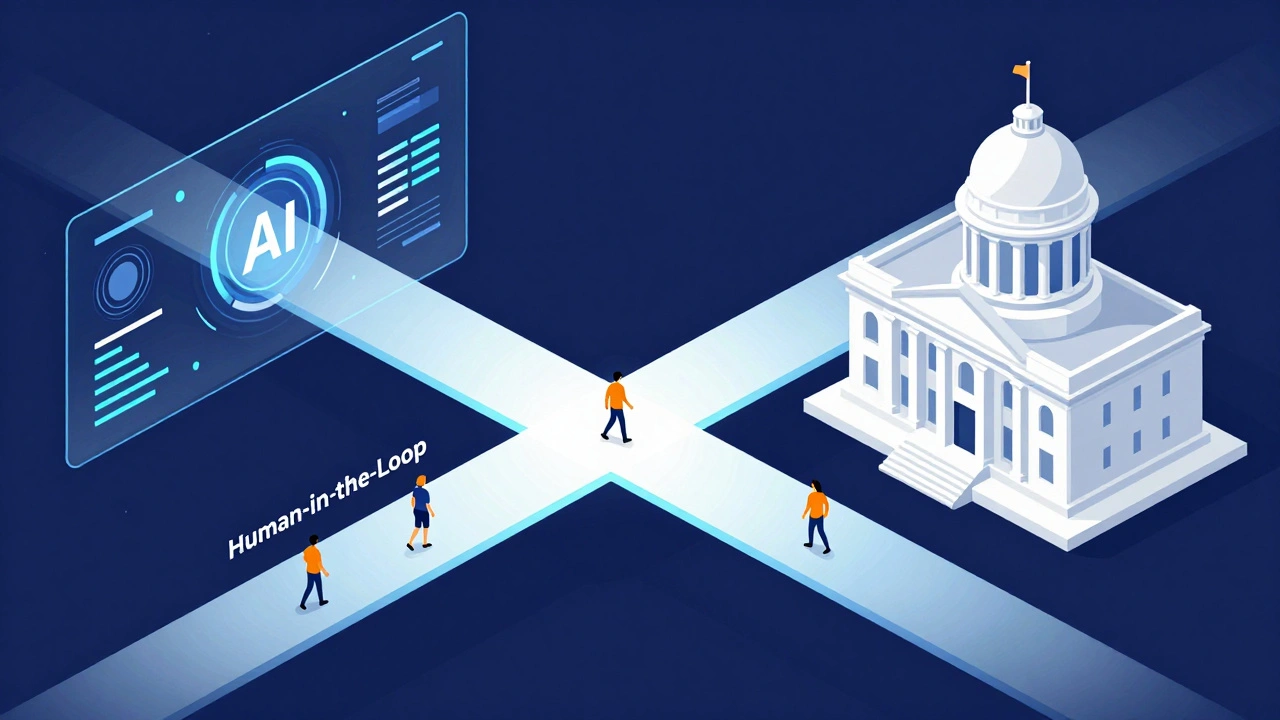
How to Get Involved in the Chicago Scene
You don't need to be a Senior Software Engineer to participate. In fact, some of the most valuable people at hack nights are those who understand the *problem* but can't write a line of code. If you've spent ten years navigating the city's zoning laws or you know exactly why the bus route in your neighborhood is inefficient, you are an asset. Start by browsing the Data Portal. Find a dataset that annoys you or fascinates you. Once you have a question that the data can't answer simply, look for a local meetup. Most civic tech groups in Chicago operate on a "come as you are" basis. You can show up to a hack night, explain your frustration with a city service, and find three people who are already trying to build a solution for it. If you are a developer, focus on API Integration. Learning how to pull data from the city's Socrata-powered portal and push it into a clean frontend is the fastest way to contribute. The goal isn't to build a unicorn company; the goal is to build a tool that makes the city slightly less frustrating for the person living next door to you.The Future: AI and Urban Governance
As we move further into 2026, the conversation is shifting toward Artificial Intelligence. We're seeing the rise of "LLM-powered city guides"-bots that can scan thousands of pages of city ordinances and tell a small business owner exactly what permits they need in plain English. However, this brings new risks. AI can hallucinate, and in a civic context, a wrong answer about a building code can cost someone thousands of dollars. The next wave of Chicago's civic tech movement will likely focus on "Human-in-the-Loop" systems, where AI does the heavy lifting of data retrieval, but a human expert verifies the output before it reaches the citizen.Do I need to be a coder to join a civic hack night?
Not at all. Civic tech projects need subject matter experts, UX designers, project managers, and people who actually use the city services being improved. Your lived experience as a resident is just as valuable as knowing how to use Python.
Is the Chicago Data Portal actually accurate?
Generally, yes, but with a caveat. The data is as accurate as the department reporting it. Some sets are updated in real-time (like transit), while others might have a lag of several weeks. Always check the "Last Updated" field on the portal before basing a project on it.
How do these projects actually get adopted by the city?
It usually happens through a pilot program. A community group demonstrates a working prototype, a supportive city official helps them run a small test, and if the metrics show it saves time or money, the city may formally adopt the tool or hire the developers to integrate it into official systems.
Where are the best places to find these meetups?
Check platforms like Meetup.com for "Civic Tech Chicago" or follow the social media channels of local coworking spaces and university computer science departments. Many groups also coordinate through Discord or Slack channels dedicated to urban innovation.
What is the difference between a Hackathon and a Hack Night?
A hackathon is typically a high-intensity, time-bound event (like 24-48 hours) focused on a specific theme. A hack night is a recurring, low-pressure gathering focused on long-term project maintenance and community building.