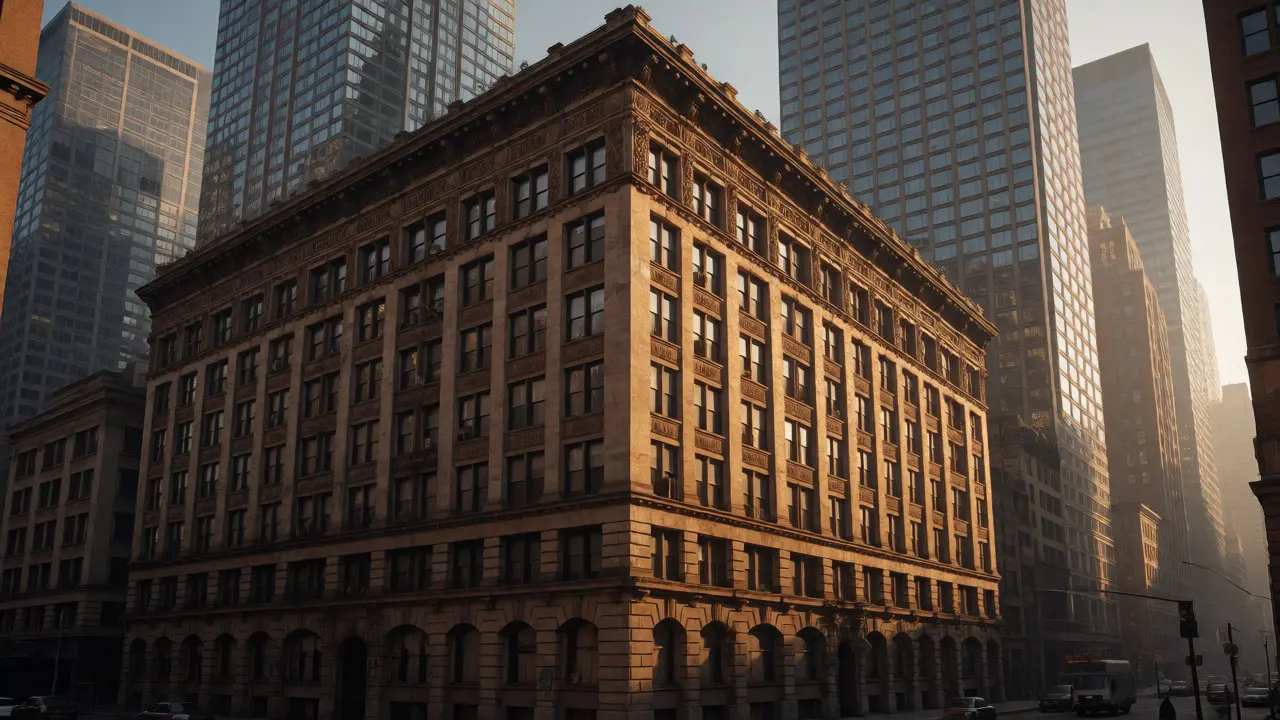
You walk past them every day. Maybe you glance up at the limestone facade of a pre-war apartment building or catch a glimpse of a terra-cotta cornice on a corner store. But for many of these structures in Chicago, they are living on borrowed time. The city’s architectural DNA is being erased, one demolition permit at a time. It’s not just about nostalgia; it’s about losing the physical record of how we built our lives here.
If you’ve ever wondered why certain blocks feel alive while others feel sterile, look at what survived and what didn’t. This isn’t just a history lesson. It’s a current crisis involving money, politics, and very real bricks. Here is what is actually happening to Chicago’s most vulnerable historic assets right now.
The Anatomy of Endangerment
Why do buildings die? It’s rarely because they suddenly fall apart overnight. It’s usually a slow bleed caused by neglect and economic pressure. In Chicago, the primary threat vector is the gap between maintenance costs and potential land value. When a lot is worth more empty than occupied, developers push for demolition.
Preservation Chicago, an advocacy group that publishes an annual list of the most endangered sites, tracks these threats meticulously. Their criteria aren’t just aesthetic. They look at structural integrity, ownership status, and whether the building has any legal protection. If a building lacks landmark designation, it’s essentially naked before the wrecking ball.
| Threat Type | Description | Impact Level |
|---|---|---|
| Speculative Demolition | Building torn down to hold land value for future high-rise construction. | High |
| Neglect & Decay | Lack of maintenance leads to water damage, spalling brick, and unsafe conditions. | Medium-High |
| Incompatible Alterations | Gutting interiors or replacing facades with modern materials destroys historic fabric. | Medium |
| Infrastructure Projects | Road expansions or utility upgrades requiring partial or total removal. | Variable |
Notice the first row? Speculative demolition is the big bad wolf. It doesn’t care if the building is beautiful. It cares that the land could support a glass tower with higher rent per square foot. This is where community advocacy becomes critical. Without public outcry, the path from "endangered" to "gone" is often shorter than you think.
Who Holds the Keys? The Role of the Commission on Chicago Landmarks
So, who decides if a building stays or goes? Enter the Commission on Chicago Landmarks. This body has the power to designate landmarks and historic districts. Once designated, a building gets legal protection. You can’t just tear it down. You need a certificate of appropriateness for changes.
But here’s the catch: designation is a political process. It requires a nomination, a review, and a vote. Many buildings slip through the cracks because no one files the paperwork. Or worse, they are designated too late. By the time the Commission reviews a case, the owner might have already secured permits for demolition under different zoning rules.
The Commission operates under specific guidelines outlined in the Municipal Code. They assess significance based on architecture, history, and cultural impact. For example, a building associated with the Great Migration carries weight beyond its brickwork. It tells a story of social change. Ignoring that context leads to a city with no memory.
Case Studies: The Ones We Almost Lost (and Those We Didn’t)
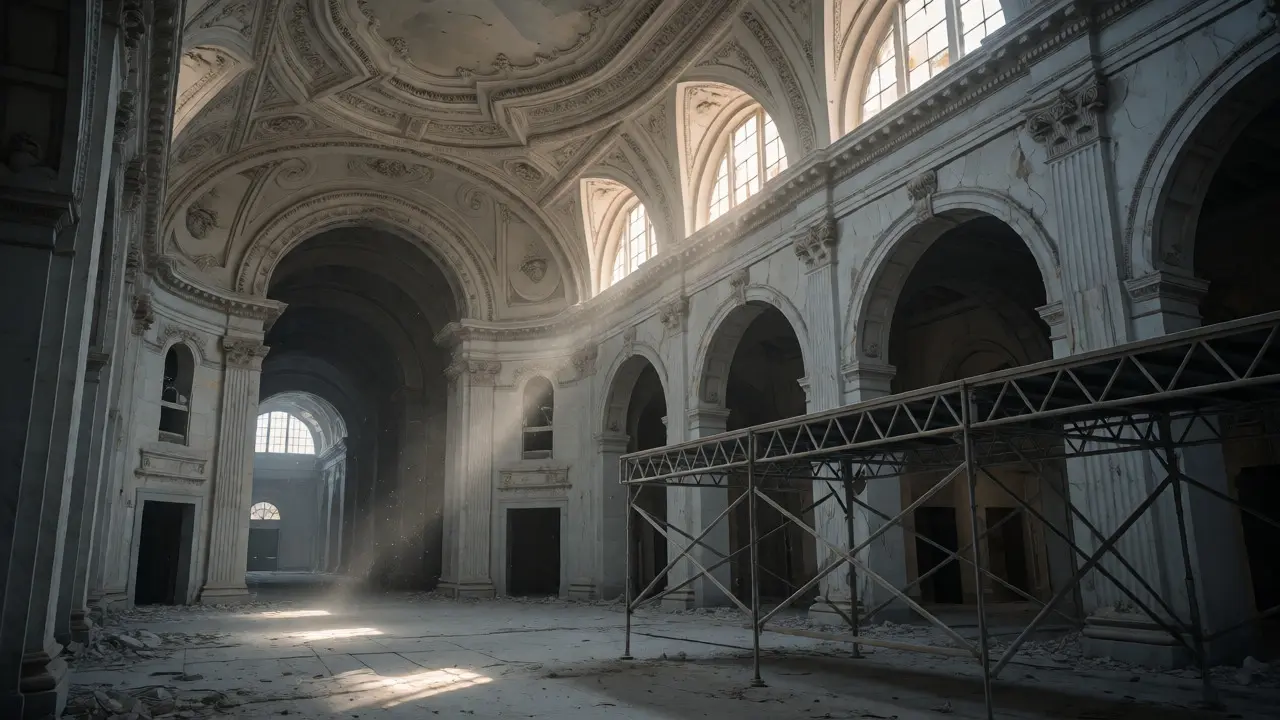
Let’s get concrete. Abstract talk about "heritage" doesn’t save buildings. Specific examples do. Consider the Carbide and Carbon Building. Saved from near-oblivion, it was transformed into a luxury hotel. That’s a success story of adaptive reuse. But for every Carbide, there’s a Marina City controversy-where even iconic structures face debates over their long-term viability and aesthetic relevance.
Then there are the quiet losses. Take the old theaters on State Street. Many were gutted for retail space, leaving only the facades as hollow shells. Is that preservation? Technically, yes. Culturally, it’s a lobotomy. True preservation keeps the soul of the place, not just the skin.
A recent flashpoint involves the Pulitzer Homes area and surrounding industrial corridors. As logistics centers expand near the river, older warehouse structures face pressure. These buildings, often featuring heavy timber construction and large windows, are prime candidates for loft conversion. But if the economics shift toward automated warehousing, those lofts become obsolete before they’re born.
Adaptive Reuse: The Economic Lifeline
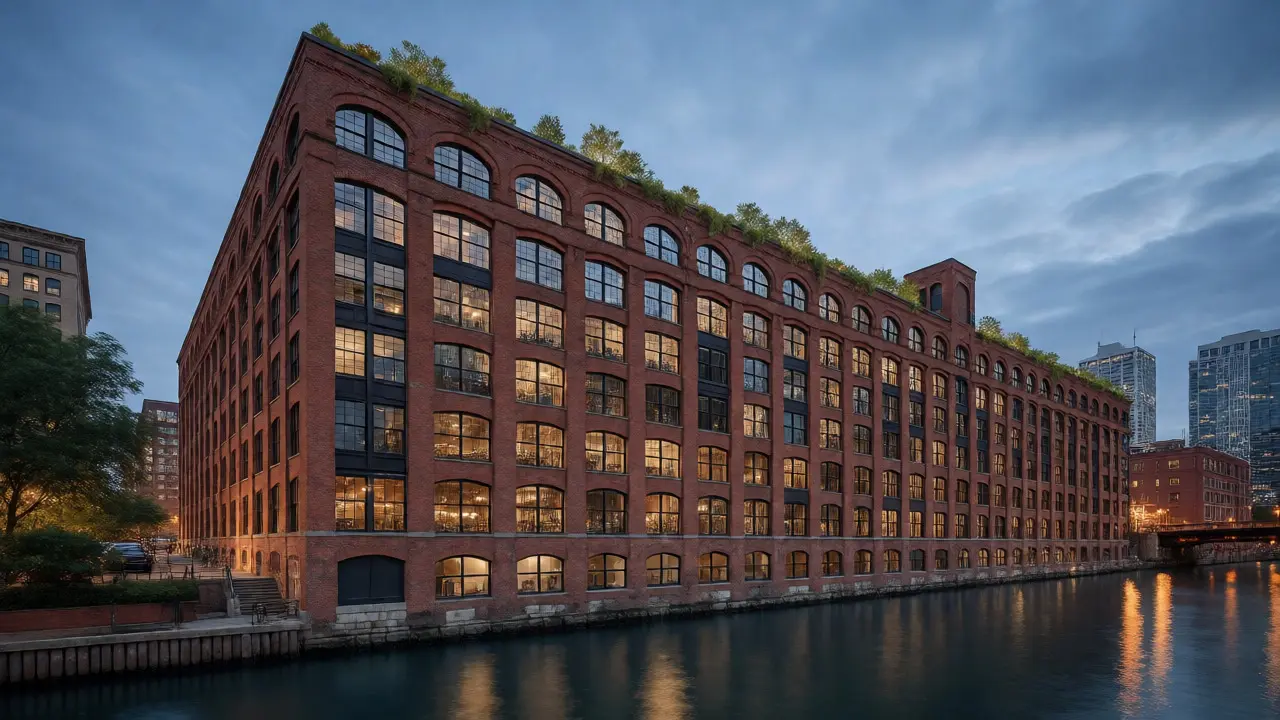
How do you save a building without turning it into a museum nobody visits? Adaptive reuse. This means taking an old structure and giving it a new purpose. Old factories become apartments. Banks become coffee shops. Schools become community centers.
This works because it leverages existing infrastructure. You don’t pay for foundations, walls, or roofs. You pay for systems updates. In Chicago, this is boosted by tax incentives. The Cook County and state-level programs offer abatements for rehabilitating historic properties. If you buy a designated landmark, your property taxes can be frozen for a set period after rehabilitation. That’s real money back in your pocket.
- Tax Increment Financing (TIF): Used in specific zones to subsidize development costs.
- Federal Historic Tax Credits: A 20% credit for certified rehabilitation of income-producing historic structures.
- Local Grants: Programs like the Illinois Historic Preservation Agency grants help with technical studies.
Developers love this math. It lowers risk. But it requires patience. Permitting for historic buildings takes longer. You need specialized contractors who know how to repair original masonry rather than just covering it with stucco. Bad repairs kill historic value faster than good neglect.
The Community’s Job: Advocacy and Vigilance
Government bodies move slowly. Communities move fast. Neighborhood groups are the first line of defense. If you see a "For Sale" sign on a century-old bungalow, ask questions. Who owns it? What are their plans? Often, early intervention prevents irreversible damage.
Social media has changed the game. A photo of a threatened building shared locally can trigger news coverage, which pressures owners and officials. Remember the fight over the Old Chicago Water Tower? It wasn’t saved by bureaucracy alone. It was saved because people cared enough to shout about it loudly enough to be heard.
You don’t need to be an architect to participate. Attend ward meetings. Check the city’s planning database for permit applications. Join local historical societies. Your presence matters. Politicians respond to constituents who show up.
What Happens Next?
Chicago stands at a crossroads. We can continue to replace our history with generic glass boxes, or we can integrate the old with the new. The latter creates richer neighborhoods. People crave character. They want stories in their streetscapes.
The next decade will determine which parts of Chicago remain distinctively Chicago. It’s not guaranteed. It requires active effort. Every time a permit is filed, someone wins or loses. Usually, the winner is whoever moves fastest. Let’s make sure the losers aren’t the ones holding the keys to our past.
What makes a building "endangered" in Chicago?
A building is considered endangered when it faces immediate threat of demolition or severe alteration due to lack of legal protection, poor maintenance, or speculative real estate pressure. Organizations like Preservation Chicago assess these risks annually.
Can I stop my neighbor from demolishing a historic-looking house?
Not directly, unless the house is within a designated Historic District or has been individually designated as a landmark. Otherwise, private property rights allow owners to demolish structures, though community advocacy can influence zoning decisions or expedite landmark nominations.
Are there financial benefits to buying a historic home?
Yes. Owners of designated landmarks may qualify for property tax freezes during rehabilitation periods. Additionally, federal and state historic tax credits can offset significant portions of renovation costs for income-producing properties.
What is the difference between a landmark and a historic district?
A landmark is a single building or site recognized for its significance. A historic district is a geographic area containing multiple contributing structures that collectively share historical or architectural importance. Both require approval from the Commission on Chicago Landmarks for exterior changes.
How does adaptive reuse work?
Adaptive reuse involves repurposing an existing building for a new function, such as converting a factory into residential lofts. This preserves the building's shell and historical character while making it economically viable for modern use.