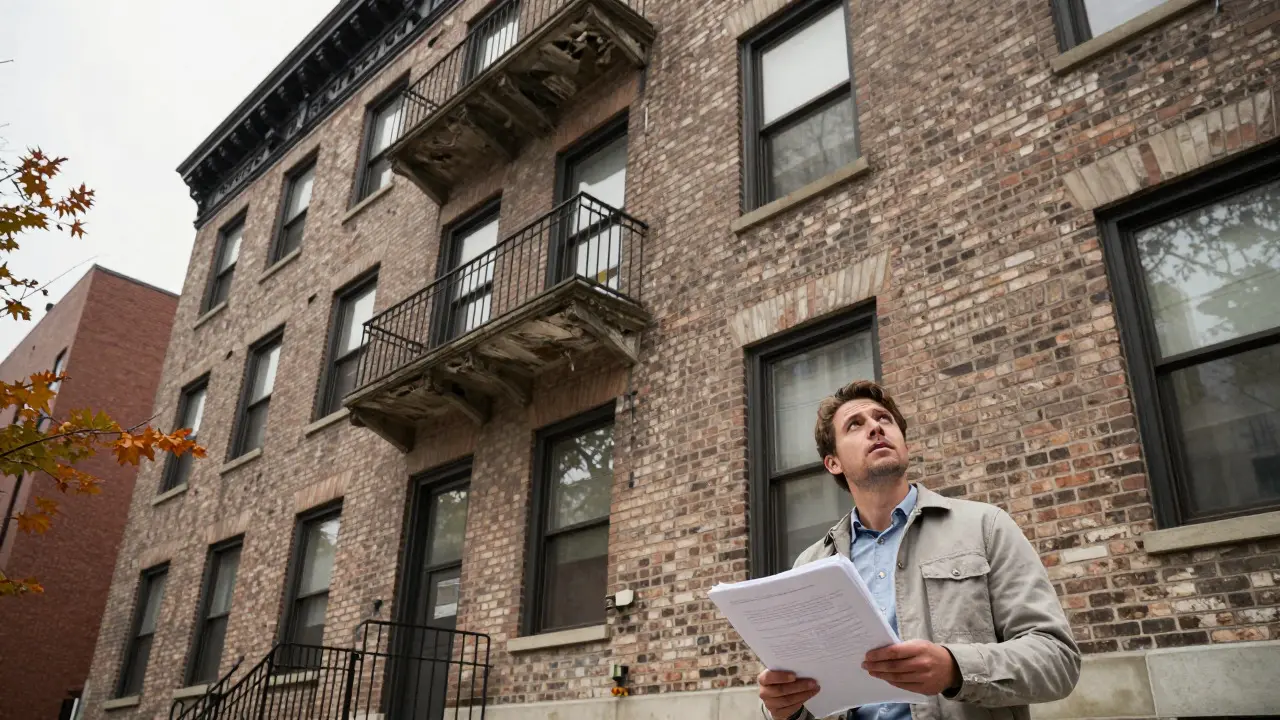
Buying a condo in Chicago feels like a smart move until you get the first surprise bill. You might think you’re just paying for your slice of the building, but you’re actually sharing the risk with hundreds of other owners. One broken elevator or a leaky roof can turn a comfortable monthly payment into a financial shock. This is where understanding condo assessments becomes less about paperwork and more about protecting your wallet.
In Chicago, the difference between a stable building and a money pit often comes down to two things: how much they charge you now (regular assessments) and how much they’ve saved for the future (reserve funds). If you skip digging into these numbers, you could end up footing the bill for repairs that should have been handled years ago. Let’s break down what you need to check before you sign anything.
The Difference Between Regular and Special Assessments
First, let’s clear up the confusion. Most buyers know about regular assessments, but special assessments are where the real danger lies.
- Regular Assessments: These are your monthly dues. They cover day-to-day operations like trash removal, lobby cleaning, insurance, and staff salaries. Think of this as the "rent" you pay to keep the lights on.
- Special Assessments: These are one-time, unexpected charges. They happen when the building needs major work-like repainting the exterior, fixing a water main, or replacing windows-and the reserve fund isn’t big enough to cover it. Suddenly, your $400/month payment jumps by $5,000 overnight.
In Chicago, special assessments are not rare. Older buildings in neighborhoods like Lincoln Park or Lakeview often face these bills every few years. The key question isn't "Will there be a special assessment?" but "How likely is it based on their savings?"
Why the Reserve Fund Is Your Safety Net
The reserve fund is the building’s piggy bank. It’s money set aside specifically for large-scale maintenance and capital improvements. If a building has a healthy reserve fund, a broken boiler gets fixed without asking you for extra cash. If the fund is empty, you’re on the hook.
Here’s a rule of thumb used by many Chicago real estate agents: look at the Reserve Study. This is an independent report that estimates the useful life of major components (roof, HVAC, elevators) and calculates how much money needs to be saved each year to replace them.
If a building is only saving 70% of what the study recommends, they are underfunded. That 30% gap will eventually come out of your pocket. In fact, studies from the Illinois Condominium Property Act suggest that buildings with reserves below 70% funded are significantly more likely to issue special assessments within five years.
What to Look for in the Financial Documents
You don’t need to be an accountant to spot red flags, but you do need to know which documents to ask for. Before closing, request the following from the management company or board:
- Three Years of Financial Statements: Check if expenses are rising faster than income. If operating costs are climbing but assessments stay flat, the deficit is growing.
- The Current Reserve Study: Look for the "Funding Level." Anything above 80% is excellent. Between 60-80% is average. Below 60% is risky.
- Board Meeting Minutes (Last 12 Months): Scan for discussions about "deferred maintenance," "budget cuts," or "legal disputes." These are warning signs of financial stress.
- Delinquency Report: How many units are behind on payments? If more than 5-10% of owners aren’t paying, the building is relying on late fees and reserves to survive, which isn’t sustainable.

Chicago-Specific Risks: Age and Construction
Chicago’s housing stock is unique. Many pre-war buildings were constructed in the 1920s and 1930s, while post-war structures from the 1960s and 70s are hitting their 50-year mark. This age matters because it dictates what kind of assessments you might face.
For example, a 1950s brick building might need a full facade restoration (tuckpointing) every 20-25 years. This job can cost $10,000 to $20,000 per unit depending on the size. If the building hasn’t done this in a decade, you better hope they have the cash saved.
Also, watch out for lead paint issues in older units. While not always an assessment issue, it can affect resale value and require specific disclosures. Newer high-rises in the Loop or River North may have different risks, such as expensive glass curtain wall repairs or complex elevator systems that require specialized parts.
| Indicator | Healthy Building | Risky Building | Action Required |
|---|---|---|---|
| Reserve Funding Level | >80% | <60% | Negotiate price down or walk away |
| Delinquency Rate | <5% | >10% | Ask board about collection strategy |
| Recent Special Assessments | None in last 5 years | Multiple in last 3 years | Check if causes were recurring |
| Insurance Coverage | Coverage for common elements + loss assessment | Basic coverage only | Verify policy details with insurer |
How to Verify the Numbers Yourself
Don’t just take the seller’s word for it. Here’s how to double-check the data:
First, look at the trend. If the reserve balance was $1 million three years ago and is still $1 million today, but they spent $50,000 on repairs, they must have increased assessments or cut services. Ask why.
Second, compare assessment history. If monthly assessments jumped 15% in the last two years, find out why. Was it due to higher utility costs (common in Chicago due to gas/electric rates) or deferred maintenance? A small increase is normal; a spike is a signal.
Third, talk to current residents. Knock on a few doors or join the building’s online forum. Ask simple questions: "Has there been any construction noise recently?" or "Are there any upcoming projects?" Residents often know more about the building’s true condition than the glossy brochure suggests.

Negotiating Based on Financial Health
If you find red flags, use them to negotiate. A building with a low reserve fund means you’re inheriting potential debt. You can argue for a lower purchase price to account for the likelihood of a future special assessment.
For instance, if the reserve study shows they are 50% funded and experts estimate a $10,000 special assessment is coming in two years, you could offer $5,000 less than the asking price. Sellers often accept this rather than listing the unit for months while the financial issues deter other buyers.
Alternatively, make your offer contingent on a third-party review of the condo documents. Hire a local attorney who specializes in Chicago condominium law to review the budget and reserve study. It’s a small fee compared to the cost of being surprised by a $10,000 bill.
Frequently Asked Questions
What is a typical special assessment amount in Chicago?
It varies widely. Minor fixes might cost $500-$2,000 per unit. Major projects like window replacements or roof repairs can range from $5,000 to $20,000+ per unit, depending on the building's size and complexity.
Can I refuse to pay a special assessment?
Generally, no. Under the Illinois Condominium Property Act, special assessments approved by the board are legally binding. However, you can challenge them in court if the process was unfair or if the project wasn't properly disclosed, though this is rare and costly.
How often should a reserve study be updated?
Ideally, every 3-5 years. Annual updates are best for older buildings with changing conditions, but a full new study every few years ensures the projections remain accurate.
Does my condo insurance cover special assessments?
Usually, no. Standard HO-6 policies cover damage to your unit, but special assessments for common area repairs are typically the owner's responsibility unless you buy a specific "Loss Assessment Coverage" rider.
What is the best neighborhood in Chicago for financially stable condos?
There is no single "best" neighborhood. However, newer developments in areas like West Loop or Gold Coast tend to have larger reserve funds because they are younger. Older buildings in established areas like Lincoln Park vary greatly, so individual building checks are essential regardless of location.