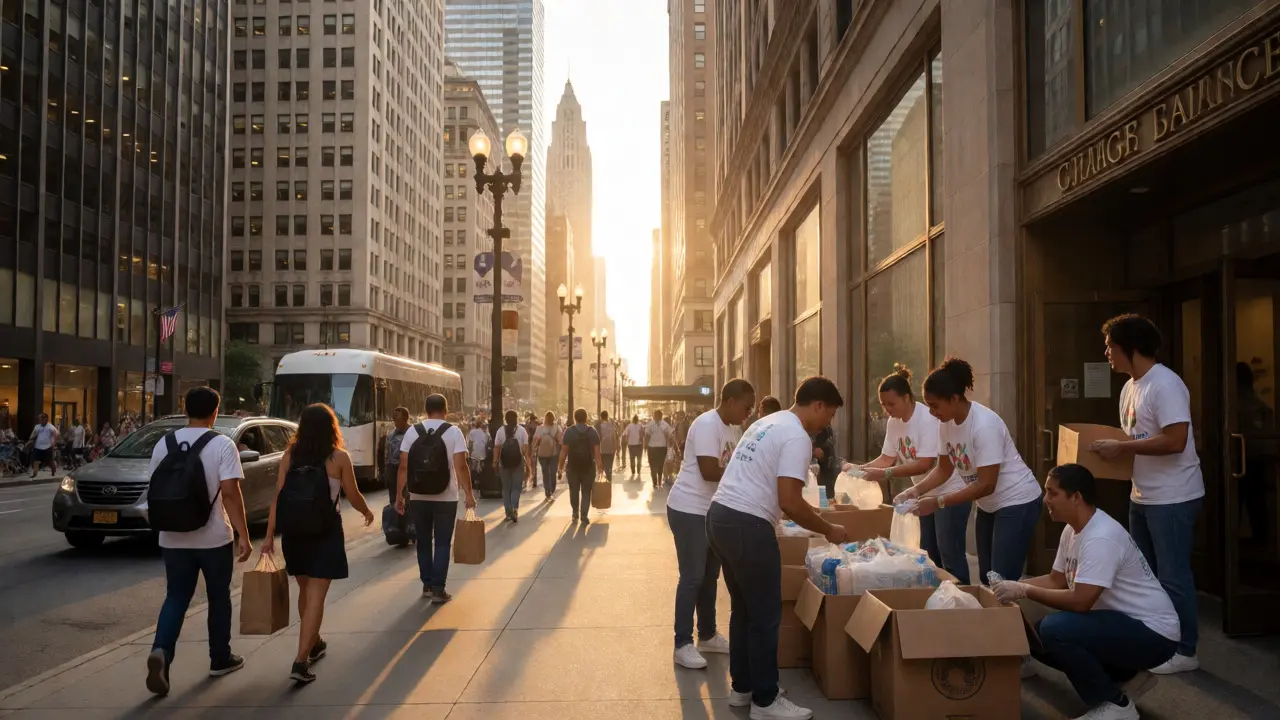
Imagine walking down State Street and realizing that while the city buzzes with energy, thousands of residents are still waiting for a helping hand. That gap between need and action is exactly where Chicago Cares operates. It isn’t just another charity; it’s a massive infrastructure designed to make volunteering effortless for everyone from college students to corporate teams. If you’ve ever wanted to help but didn’t know where to start, this organization removes the friction entirely.
What Exactly Is Chicago Cares?
Chicago Cares is a nonprofit organization that serves as a central hub for volunteerism in Chicago, connecting individuals and groups with local nonprofits through structured service events. Think of it as the Uber of community service. You don’t have to hunt down individual shelters or food banks yourself. Instead, you log into their platform, pick a date, choose a cause-like hunger relief or environmental cleanup-and show up. They handle the logistics, the background checks, and the training. This model has helped them mobilize over 300,000 volunteers annually, making them one of the largest civic engagement engines in the Midwest.
The core mission here is simple: build a more compassionate and connected city. By lowering the barrier to entry, they turn casual interest into consistent action. Whether you have two hours on a Saturday morning or an entire weekend, there’s a slot for you. The organization partners with hundreds of other nonprofits, ensuring that your time goes to places that actually need it right now, not just places that have good marketing.
How the Connection Hub Works
You might wonder how one organization manages such a vast network. It comes down to three key components: recruitment, matching, and support. First, they recruit widely, using digital tools and community outreach to find people willing to give time. Second, their matching algorithm (or manual coordination team) pairs these volunteers with specific projects based on skills and availability. Third, they provide on-site support so that even first-time volunteers feel confident.
For example, if you sign up for a park cleanup in Lincoln Park, you aren’t just thrown into the deep end. A site lead greets you, explains safety protocols, and distributes supplies. This structure reduces the anxiety many people feel about volunteering. You’re never alone, and you’re always part of a team. This sense of belonging is crucial because it keeps people coming back. Retention rates for volunteers who experience this supported model are significantly higher than those who try to volunteer independently.
Key Areas of Impact
Volunteering isn’t one-size-fits-all, and Chicago Cares recognizes this by focusing on several critical sectors. Here is a breakdown of where your time can make the most difference:
| Focus Area | Typical Activities | Target Beneficiaries |
|---|---|---|
| Hunger Relief | Food sorting, meal packing, distribution | Families facing food insecurity |
| Education & Youth | Tutoring, mentoring, school supply drives | Students in under-resourced schools |
| Environment | Park cleanups, tree planting, recycling | Public spaces and neighborhoods |
| Senior Services | Companionship visits, home repairs | Elderly residents living alone |
| Housing Stability | Home renovations, moving assistance | Low-income families |
Each area addresses a systemic issue. Hunger relief tackles immediate physical needs, while education initiatives aim for long-term economic mobility. Environmental work improves quality of life, and senior services combat isolation. By diversifying their portfolio, Chicago Cares ensures that no matter what causes resonate with you personally, there is a relevant opportunity.

Why Corporate Teams Love This Model
If you manage employee engagement at a company in the Loop or West Loop, you’ve likely heard of corporate volunteering days. Chicago Cares excels here because they offer turnkey solutions. Companies don’t need to spend weeks planning a CSR (Corporate Social Responsibility) event. They book a slot, bring their team, and get out. The organization handles insurance, liability waivers, and impact reporting.
This ease of use has made them a favorite among major employers. From law firms to tech startups, businesses use these events to boost morale and foster teamwork outside the office. There’s something powerful about colleagues working side-by-side to pack boxes of food rather than sitting in a conference room. It builds camaraderie quickly. Plus, companies receive data on hours contributed and lives impacted, which looks great in annual sustainability reports.
Getting Started: A Step-by-Step Guide
Ready to roll up your sleeves? Here is how you join the movement without getting overwhelmed:
- Create a Profile: Visit the website and set up an account. You’ll list your interests and availability.
- Browse Opportunities: Filter by neighborhood, date, or cause. Look for "beginner-friendly" tags if you’re new.
- Register for an Event: Click to reserve your spot. Some events require a small registration fee to cover materials.
- Show Up Early: Arrive 15 minutes before start time to check in and meet your team lead.
- Engage and Reflect: Do the work, talk to fellow volunteers, and consider signing up for a follow-up shift.
Pro tip: Start with a short event, like a two-hour cleanup, before committing to a half-day project. This lets you gauge your comfort level. Also, bring comfortable shoes and water. Chicago weather can be unpredictable, even in September.

Common Pitfalls to Avoid
Even with a streamlined system, some volunteers hit snags. The biggest mistake is showing up late. Site leads rely on exact headcounts to distribute tasks. If you’re ten minutes late, you might miss safety instructions or leave your team short-handed. Another common issue is assuming all roles are identical. Packing boxes requires different skills than tutoring kids. Read the description carefully to ensure you’re prepared for the actual task.
Also, don’t underestimate the power of consistency. One-off volunteers are helpful, but regulars become invaluable. Nonprofits build trust with familiar faces. If you enjoy an event, ask the site lead if you can return next month. Building relationships within the community turns volunteering from a checklist item into a meaningful habit.
Impact Beyond the Hours Logged
While statistics matter, the real value of Chicago Cares lies in social cohesion. When a lawyer works alongside a teacher to paint a classroom, barriers dissolve. These interactions create a web of connections that strengthen the city’s fabric. Residents who volunteer report feeling more connected to their neighbors and more invested in local issues. This civic pride translates into better voting turnout, more robust community boards, and a general sense of shared responsibility.
In a city as large and diverse as Chicago, finding common ground can be hard. Volunteering provides that ground. It’s neutral territory where everyone contributes equally. This is why organizations like Chicago Cares are essential-they don’t just solve problems; they build communities.
Do I need prior experience to volunteer with Chicago Cares?
No, most events are designed for beginners. Site leads provide on-the-job training and supervision, so you only need a willingness to help and follow instructions.
Is there a cost to participate in volunteer events?
Most individual volunteer slots are free. However, some specialized projects may have a small registration fee to cover materials or insurance. Corporate group bookings often involve a coordination fee.
Can I bring my children to volunteer?
Yes, many events are family-friendly. Check the age restrictions listed on each event page. Younger children usually need to be accompanied by an adult guardian throughout the activity.
How do I track my volunteer hours?
You can log your hours directly through your online profile after each event. For school or court-mandated hours, you can request official verification certificates from the platform.
What happens if I cancel last minute?
Try to cancel at least 24 hours in advance via the app or email. Last-minute cancellations can disrupt staffing plans, especially for smaller teams. Frequent no-shows may limit your ability to book future popular events.